
Key takeaways
The best lightweight tent solves the backpacker’s central dilemma, keeping you comfortable and dry without weighing down your pack. This guide compares six tested 2026 shelters across trail weight, livability, weather protection, and ease of setup, so you can match a tent to your trips and load target rather than chasing the lowest number on the tag.
As an Amazon Associate we earn from qualifying purchases.
🛒 Best Price Today on Amazon
Prime members get fast, free shipping on everything above, plus member-only deals. New members get a 30-day free trial — cancel anytime.
Start 30-Day Prime Free Trial →See Today’s Amazon DealsHow to Choose the Best Lightweight Tent
The best lightweight tent balances weight against the space and protection you actually need on trail. Before comparing models, weigh four levers that shape the choice: weight, livability, weather protection, and setup style. Get these right and you carry less while sleeping better night after night.
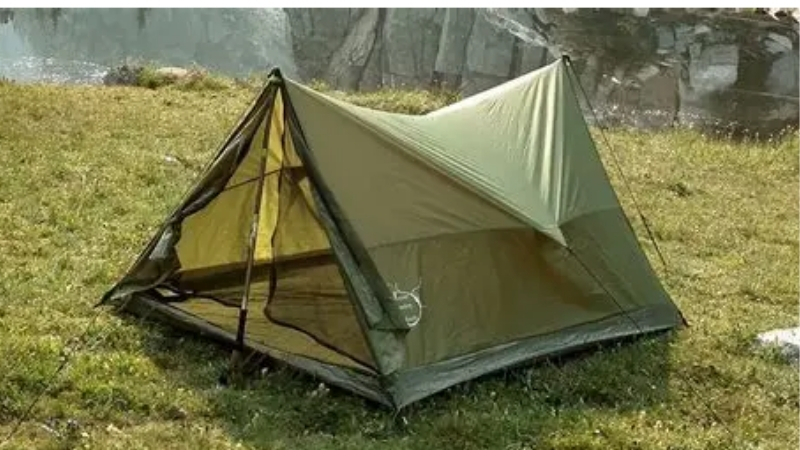
Weight Versus Livability
Every ounce matters on your back, but cutting too much space makes a tent feel like a coffin. The sweet spot for backpacking shelters generally sits under about four pounds for a roomy freestanding two-person design.
Split between two hikers, a three-pound tent means each carries only a pound and a half. Weigh how much interior room and headroom you want against the weight you are willing to shoulder.
Interior Space and Doors
Floor dimensions, peak height, and wall angle decide how livable a tent feels. Near-vertical walls and a high ridgepole create a cathedral feel that beats a low, tapered design for sitting up and moving around.
Two doors and two vestibules are far more convenient for a pair than a single-door layout, letting each person exit without climbing over the other. Vestibules also shelter packs and boots from the rain.
Weather Protection
A full-coverage rainfly that reaches the ground protects best in sustained storms, while shortened flies save weight but can wet out faster. Quality fabrics like waterproof-treated nylon resist sagging when wet.
Pole architecture matters in wind, so pre-curved, hubbed poles add stability. Solid inner walls trap warmth in cold conditions, while more mesh boosts ventilation and cuts condensation in humid weather.
Setup and Freestanding Design
Freestanding tents stand on their own poles, making them easy to pitch on any surface and simple to reposition or shake out. Color-coded hubbed poles speed setup and reduce fumbling in the dark.
Semi-freestanding models shave weight but need a few stakes to hold their shape. For versatility across campsites, a fully freestanding design is the most forgiving choice.
Buying a Backpacking Tent in 2026: Prices and Timing
Beyond specs, timing shapes what you pay for the best lightweight tent in 2026. Technical fabric costs have climbed, and hiking-season demand swings prices, so a little planning stretches your budget.
Tariffs and Material Costs
Outdoor gear makers reported broad input-cost increases this year, with technical nylons and aluminum poles among materials seeing roughly ten to fifteen percent higher costs. Brands have described some new prices as estimates that may shift.
The practical upshot is that premium shelters are unlikely to get much cheaper at full retail. When a tent you want appears at a fair price, buying can beat waiting for a discount that may not undercut a rising baseline.
Seasonal Timing
Tents see the widest selection heading into spring and summer as the hiking season ramps up. Anniversary sales and end-of-season clearance often bring the steepest markdowns, though popular models sell through first.
Major sales windows, including October’s Prime Big Deal Days and the late-November Black Friday and Cyber Monday stretch, typically deliver the year’s best tent deals.
Buy Early and Test Pitch
If a trip is on the calendar, buy early and pitch the tent in the yard once so setup is second nature before you are doing it in the rain. A dry run reveals missing stakes or unfamiliar clips.
Early buying also beats the pre-season stock crunch on popular models and colors, which thin out fast once the hiking season arrives in earnest.
Top Picks: The Best Lightweight Tent Reviewed
These six picks for the best lightweight tent span a do-everything freestanding champ, a balanced all-rounder, a roomy weatherproof model, and a smart value shelter. The table gives a quick overview, then each review covers who it suits and its trade-offs.
| Model | Type | Best For | Price Tier |
|---|---|---|---|
| Big Agnes Copper Spur HV UL2 | Freestanding | Best overall | Premium |
| NEMO Dragonfly OSMO 2P | Freestanding | Balanced all-rounder | Mid |
| MSR Hubba Hubba LT 2 | Freestanding | Roomy and weatherproof | Premium |
| REI Co-op Half Dome 2 | Freestanding | Livable value | Mid |
| Durston X-Mid 2 | Trekking-pole | Value and space | Mid |
| NEMO Dagger OSMO 3P | Freestanding | Roomy trios | Premium |
Big Agnes Copper Spur HV UL2
The Copper Spur HV UL2 is our best overall, a fully freestanding two-person tent near three pounds two ounces with huge vestibules and nifty awning-style porches for lounging in light rain. It is remarkably roomy for its weight.
It sits at a premium price and the ultralight fabrics reward gentle handling. For backpackers who want the best blend of low weight and true livability, it is the shelter to beat.
NEMO Dragonfly OSMO 2P
The Dragonfly OSMO is the balanced all-rounder, lighter and more packable than roomier tents yet more livable than stripped ultralight models. Its OSMO fabric dries fast and resists sagging in the rain, and a 2026 ridgepole redesign adds headroom.
It is not the absolute lightest option, splitting the difference instead. For hikers who sit between ounce-counters and comfort-seekers, its feature-rich, well-rounded design is ideal.
MSR Hubba Hubba LT 2
The Hubba Hubba LT 2 is roomy and weatherproof, with a two-way ridgepole that creates an expansive, wide feel and a high peak. Its solid, protective build stands up to weather and keeps you warmer in cold conditions.
It costs a premium and weighs a touch more than the lightest rivals. For backpackers who prioritize storm protection and interior comfort, it is a dependable, well-built choice.
REI Co-op Half Dome 2
The Half Dome 2 is the livable value pick, offering generous floor space, two doors, and porch-like vestibules at a friendlier price than ultralight flagships. Its single color-coded hubbed pole makes setup quick and foolproof.
It is heavier than premium tents, so gram-counters may look elsewhere. For weekend and casual backpackers who want space and easy setup without overspending, it is a smart buy.
Durston X-Mid 2
The X-Mid 2 delivers standout value and space, using clever offset pole geometry to maximize headroom and interior volume with dual doors. As a double-wall trekking-pole tent, it pitches with your poles to save the weight of dedicated ones.
It needs trekking poles and a flat spot large enough to stake out. For hikers who want ultralight-adjacent space at a mid-tier price, it is one of the smartest designs available.
NEMO Dagger OSMO 3P
The Dagger OSMO 3P is our roomy pick for trios, offering luxurious space and huge vestibules while still coming in under the four-pound threshold for a backcountry-worthy shelter. Straight walls create an open, comfortable feel.
Two zippers per door make the openings slightly clunky, and it costs a premium. For three hikers, or two who want to sprawl, it delivers standout livability for the weight.
Frequently Asked Questions
Quick answers to the questions backpackers ask most when choosing the best lightweight tent for weight, comfort, and weather.
How light should a backpacking tent be?
A good target is under about four pounds for a two-person freestanding tent, or under three pounds if you prioritize weight. Split between two hikers, that keeps each person’s share low. Ultralight trekking-pole shelters go well under two pounds if you accept less interior space.
Freestanding or semi-freestanding?
Freestanding tents stand on their own poles, pitch anywhere, and are easy to reposition, making them the most versatile and beginner-friendly. Semi-freestanding models shave weight but need stakes to hold their shape, which can be tricky on rock or hard ground. Choose based on your terrain and priorities.
Does denier matter for durability?
Denier measures fabric thickness, and higher-denier floors and flies resist abrasion and punctures better but add weight. Ultralight tents use low-denier fabrics that demand a groundsheet and gentle handling. Match the denier to your terrain, favoring tougher fabric for rocky, rugged trips.
How do I reduce condensation?
Pitch with good airflow by opening vents and doors, avoid low, damp hollows, and choose a tent with ample mesh for humid climates. Double-wall designs manage condensation better than single-wall shelters, since the inner tent stays separated from moisture forming on the fly.
See More:
- Best shoes for trail running
- Best rated binoculars for hunting
- Best waterproof boots for hiking
- best waterproof rain jacket women
- sleeping pad best
Final Thoughts
Choosing the best lightweight tent comes down to matching weight, livability, and weather protection to your trips rather than chasing the lowest number on the tag. The Big Agnes Copper Spur HV UL2 leads overall, the NEMO Dragonfly OSMO balances weight and comfort, and the MSR Hubba Hubba LT 2 protects and pampers, while the REI Half Dome 2 and Durston X-Mid 2 deliver value. Buy early, test your pitch, and any of these six will carry light and sleep well.
Our top picks


As an Amazon Associate we earn from qualifying purchases at no extra cost to you.





Write Your Review
No reviews yet. Be the first to share your experience!