
Key takeaways
What's inside
Best backpack for backpacking europe means something different from a weekend carry-on, because weeks of moving between hostels puts weight on your back almost daily. This guide covers suspension, access style and honest capacity sizing, then five packs genuinely built to carry a real load across a long trip.
As an Amazon Associate we earn from qualifying purchases at no extra cost to you. Product prices and availability are accurate as of the date shown and are subject to change.


As an Amazon Associate we earn from qualifying purchases at no extra cost to you. Product prices and availability are accurate as of the date shown and are subject to change.
🛒 Best Price Today on Amazon
Prime members get fast, free shipping on everything above, plus member-only deals. New members get a 30-day free trial — cancel anytime.
How to Choose the Best Backpack for Backpacking Europe
Long trips change the calculation entirely. A bag you carry twice on a city break is forgiving; one you shoulder three times a week for two months is not. The best backpack for backpacking europe gets suspension right first, then access, then capacity, in that order rather than the reverse.
Suspension Is What Makes Weeks Bearable
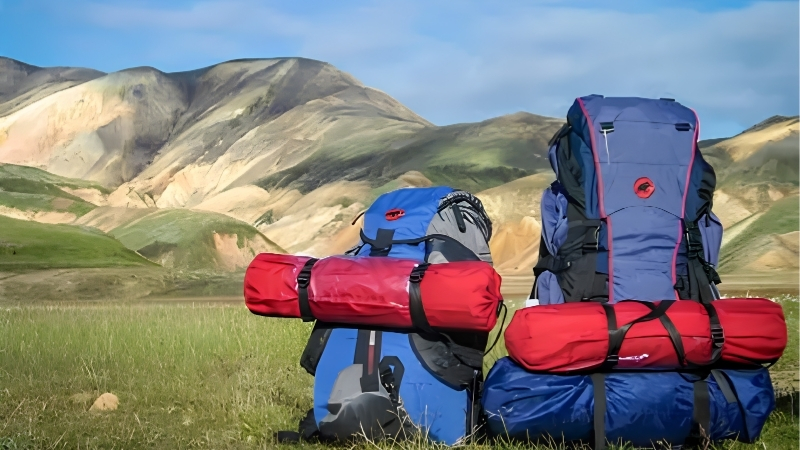
An internal frame with a load-bearing hip belt transfers most of the weight onto your pelvis rather than your shoulders, which is the single difference between a comfortable trip and a sore one. Travel packs with token belts feel fine for ten minutes and punishing after a mile of station walking.
Ventilated back panels such as Osprey’s Anti-Gravity mesh or Deuter’s Aircomfort system hold the pack slightly off your spine, which matters enormously in a Mediterranean summer. The airflow costs a little capacity and adds some weight, and almost everyone who tries it decides that is worth paying.
Access Style Decides Your Daily Routine
Traditional top-loading hiking packs are efficient to carry but miserable to live from, since reaching anything at the bottom means emptying the whole thing onto a dormitory floor. Panel-loading or clamshell designs open like a suitcase and let you retrieve one item without disturbing the rest.
The compromise is that clamshell packs usually carry slightly less well than a dedicated hiking pack of the same volume. For a trip that is mostly cities with occasional walking, take the access. For a trip involving genuine hiking sections, a panel-load hybrid with real suspension is the better balance.
Capacity Should Match Laundry, Not Trip Length
People size packs by how many weeks they are away, which is the wrong variable. What actually matters is how often you will do laundry, since a two-month trip with weekly washing needs no more clothing than a ten-day trip. Forty-five to fifty-five litres covers almost every itinerary comfortably.
Going larger simply means carrying more. A sixty-five litre pack will get filled and will weigh accordingly on every set of station stairs. If you are genuinely uncertain, choose the smaller size, because the constraint does more good than the extra room ever will over a long trip.
Top Picks: Best Backpack for Backpacking Europe
The best backpack for backpacking europe options below range from a travel-focused clamshell with a detachable daypack to a full hiking pack for trips with real walking. The table compares them, then each entry explains the traveller it suits and the compromise it carries.
| Pack | Capacity | Access | Suspension | Best for |
|---|---|---|---|---|
| Osprey Farpoint 55 | 55 L total | Clamshell | Load-bearing belt | Long city trips |
| Gregory Zulu 40 | 40 L | Top and side zip | Ventilated frame | Hiking sections |
| Deuter Aircontact Lite 50+10 | 50 to 60 L | Top and front panel | Aircontact back | Heavy loads |
| Osprey Atmos AG 50 | 50 L | Top loading | Anti-Gravity mesh | Carry comfort |
| Kelty Coyote 65 | 65 L | Top and panel | Adjustable frame | Budget capacity |
Osprey Farpoint 55
The Farpoint 55 is the Farpoint 40 with a fifteen litre detachable daypack zipped to the front, which solves two problems at once. The main bag opens as a full clamshell for hostel living, and the daypack comes off for city exploring without needing a separate packable bag in your luggage.
The combined fifty-five litres exceeds carry-on limits, so this is a checked bag on most flights. The daypack is also fairly basic and adds bulk to the main pack’s profile. For a long trip mixing cities and occasional trails, the two-bag system genuinely earns the weight it adds.
Gregory Zulu 40
The Zulu is a proper hiking pack that happens to travel well, with a ventilated suspended mesh back panel and a hip belt that transfers load properly. A side zip gives access into the main compartment without unpacking from the top, which removes most of the usual top-loader frustration.
Forty litres is tight for a multi-month trip unless you pack disciplined and wash often. The hiking-oriented shape also has external straps and loops that catch on luggage racks and conveyor belts. For an itinerary with genuine walking days built in, the carry comfort is a clear step up.
Deuter Aircontact Lite 50+10
Deuter builds this around carrying weight well, and the Aircontact back system with a substantial hip belt handles loads that make lighter packs uncomfortable. The extension collar adds ten litres when needed, and a front panel zip means you are not restricted to loading from the top.
It is heavier empty than the alternatives, which is the price of that suspension and durability. The shape is unmistakably a hiking pack rather than luggage. If you are carrying camping equipment alongside travel clothing, or simply run heavy, nothing here carries a full load more comfortably.
Osprey Atmos AG 50
The Atmos AG has the best carry system in this group by a clear margin. The Anti-Gravity mesh wraps continuously from the back panel into the hip belt, spreading load across a wide area and holding the pack off your spine so airflow keeps you noticeably cooler in warm weather.
It is a top loader with only a small sleeping bag compartment, so daily hostel access means unpacking more than you would like. It is also expensive. For a trip with substantial hiking where carry comfort outranks convenience, it remains the benchmark that others are measured against.
Kelty Coyote 65
The Coyote 65 delivers large capacity and an adjustable torso frame at a price well below the premium packs, which matters when a long trip is already stretching a budget. Both top and front panel access make it more livable than a pure top loader, and the frame adjusts as you find your fit.
Sixty-five litres is more than most travellers need and will simply get filled, adding weight on every staircase. The suspension is competent rather than refined, and the fabric is heavier than premium equivalents. As maximum capacity and adjustability per pound spent, it is well judged.
Costs and Trip Planning Timing
Packs are built from technical nylon over aluminium frame stays, so the best backpack for backpacking europe category has absorbed cost increases on both inputs. Timing matters as well, since shoulder-season travel is when most long independent trips actually begin.
Nylon and Frame Costs Have Both Risen
Industry reporting places the average tariff-driven cost increase across outdoor goods at roughly 7.7 percent, with high-tenacity nylon rising ten to fifteen percent. Duties on aluminium land separately on frame stays and buckle hardware, so larger packs feel pressure on two fronts at once.
Manufacturers have described forward pricing as provisional while trade conditions settle, and inflation near 4.2 percent is squeezing travel budgets in parallel. Buying one pack that survives a decade rather than replacing a cheap one after each long trip is the more defensible response.
Shoulder Season Is When Long Trips Start
September and October bring cheaper hostel beds, thinner crowds and comfortable walking weather across most of Europe, which is why so many extended trips are timed for the autumn. Buying a pack now leaves enough time to fit it properly and load it before departure rather than in a rush.
That fitting matters more on a long trip than a short one. Measuring your torso, adjusting the frame and walking a few miles fully loaded is the only way to discover whether the hip belt sits right, and it is far cheaper to exchange a pack in July than to endure a poor fit for two months.
Shortlist Now for the Late Autumn Window
If the trip is next spring, choose a model now and track its price into the late November sale period, which remains the deepest discount window of the year for packs and luggage. Amazon also runs early promotions ahead of its October event that occasionally include larger hiking packs.
Follow one specific pack and torso size rather than browsing the category, since discounts here concentrate heavily on discontinued colours and less popular frame sizes. Knowing what your chosen model normally sells for is the only way to recognise a genuine reduction when one appears.
Frequently Asked Questions
Questions about the best backpack for backpacking europe usually concern capacity, whether a hiking pack is overkill and how to protect a bag on transport. The answers below assume independent hostel-based travel over several weeks rather than a short organised trip.
Is 40 litres enough for two months?
Yes, provided you do laundry roughly weekly, which is realistic in hostels. Trip length barely affects how much clothing you need beyond about ten days. A larger pack will simply get filled with items you carry unused, so the smaller size usually produces a better trip rather than a harder one.
Do I need a hiking pack or a travel pack?
If the trip is cities and trains, a clamshell travel pack is far more livable. If it includes multi-day walking, a hiking pack with real suspension is worth the daily inconvenience. Hybrids with a panel zip and a proper hip belt cover both reasonably well for most mixed itineraries.
How do I protect straps when flying?
Use a pack with a stowaway harness that zips the straps and belt behind a panel, which prevents them catching in conveyor systems. If your pack lacks one, a cheap transport cover or even cinching everything tight with the compression straps and a duffel bag works adequately for occasional flights.
Should I bring a separate daypack?
Almost always yes, since walking a city with a fifty litre pack is unpleasant and conspicuous. Either choose a pack with a detachable daypack like the Farpoint 55, or carry a packable day bag weighing a few ounces, which takes almost no space and costs very little to add.
Related Guides
- sizing a pack from your packing list
- packs built for constant transitions
- packing for mixed European weather
- measuring your torso before you buy
Final Thoughts
The best backpack for backpacking europe is the one whose hip belt genuinely carries weight and whose opening lets you live from it daily. Around forty-five to fifty-five litres, a ventilated back panel and panel access covers nearly every long itinerary without ever becoming the hard part of the trip.






Write Your Review
No reviews yet. Be the first to share your experience!