Tent checklist confusion ruins more trips than bad weather does, so this guide packs the eight essentials that turn a bare tent into a dry, comfortable camp. From stakes and footprints to repair tape and lighting, we compare real, trail-tested gear for 2026 so nothing critical gets left in the garage.
As an Amazon Associate we earn from qualifying purchases.
Our top picks


As an Amazon Associate we earn from qualifying purchases at no extra cost to you.
By Jake Thompson
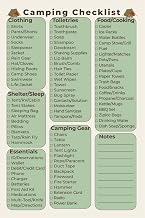
How to Build a Complete Tent Checklist
A tent alone is not a shelter system. A smart tent checklist groups gear by job: anchoring the tent, protecting the floor, fixing failures, and living comfortably after dark. Sorting your kit into these buckets makes it obvious what you own and what is missing.
Anchoring and Stability
Stock stakes are usually the weakest link. Quality tent stakes and a few extra guylines let you pitch taut in wind, secure a rain fly, and hold ground in loose soil. This is the cheapest upgrade that most improves a shaky, flapping pitch.
Think about your terrain first. Firm dirt rewards T-beam aluminum stakes, while sand and snow need wider anchors. Carrying two or three spares covers the stake that inevitably bends or vanishes into tall grass at dusk.
Ground and Weather Protection
A footprint or groundsheet shields the tent floor from abrasion and punctures while blocking damp from below. It extends the life of an expensive floor and speeds cleanup when you break camp on a muddy, dew-soaked morning.
Pair the footprint with a fully staked fly and you control the two biggest leak paths: the ground and the seams. In wet climates, this combination matters more than a slightly pricier tent with a thinner protection plan.
Repair and Comfort Add-Ons
Field failures happen, so a compact repair kit belongs on every tent checklist. Repair tape, a pole splint, and seam sealer turn a trip-ending tear or snapped pole into a five-minute fix you handle at camp without panic.
Comfort items finish the setup. A packable lantern, a doormat for grit, and a small gear loft keep the interior organized and livable. None weighs much, but together they change how a long, rainy evening inside actually feels.
Top Picks: Tent Checklist Essentials Worth Buying
These are the products that anchor a reliable tent checklist for 2026, spanning anchoring, protection, repair, and comfort. The table sorts them by job; the write-ups explain who each item suits and where each one has a genuine limitation.
| Item | Category | Key Spec | Best For |
|---|---|---|---|
| MSR Groundhog Stakes | Anchoring | ~14 g, 7.5 in T-beam | Mixed soil, wind |
| Tent Footprint | Floor protection | Model-matched cut | Extending floor life |
| Reflective Guyline Kit | Stability | Line-loc tensioners | Storm pitches |
| Gear Aid Tenacious Tape | Repair | Peel-and-stick patch | Tears and holes |
| Pole Repair Splint | Repair | Slide-on sleeve | Snapped poles |
| Packable LED Lantern | Comfort | Rechargeable | Camp lighting |
MSR Groundhog Stakes
The Groundhog is the gold-standard upgrade, about 14 g and 7.5 inches with a Y-beam design that resists pulling sideways in loose soil. It holds far better than the flimsy wire stakes bundled with most tents, and reflective pull cords are easy to spot at night.
The trade-off is bulk: the tri-beam shape takes more pack space than thin shepherd hooks, and they are not ideal in deep sand or snow. For three-season mixed terrain, though, they are the one stake most hikers stop worrying about.
Tent Footprint
A model-matched footprint is the simplest way to protect a costly floor from grit and punctures. It blocks ground moisture, keeps the underside clean for packing, and lets you pitch a fly-first shelter without soaking the inner in the rain.
Branded cuts cost more than a generic sheet, and they add a few ounces you could skip on dry, grassy sites. But on rocky or root-strewn ground, a footprint pays for itself the first time it stops a puncture.
Reflective Guyline Kit
Extra guylines with line-loc tensioners transform stability in wind. They let you tension the fly, add storm guy-outs, and stop the midnight flapping that keeps everyone awake. Reflective cord also reduces trip hazards on late-night trips out of the tent.
The downside is a little setup time and clutter around the tent. On calm, sheltered nights they are overkill. When a front rolls through, though, a well-guyed tent stays quiet and taut while un-guyed neighbors rattle all night.
Gear Aid Tenacious Tape
Tenacious Tape is the repair item every camp kit needs. Peel-and-stick patches seal tears in fly, floor, or mesh, and the bond holds through rain and repeated packing far better than duct tape, without the sticky residue.
It will not fix a shattered pole or a failed zipper, so it is only part of a kit. But for the fabric punctures that actually strand campers, a small strip carried in a pocket is astonishingly effective and nearly weightless.
Pole Repair Splint
A slide-on pole splint, often included with new tents, turns a snapped pole into a quick field fix. Slide it over the break, wrap with tape, and the tent stands again, which matters most when wind or a misstep cracks a pole miles from the car.
It is a temporary repair, not a permanent one, and it can be fiddly with cold hands. Still, at a few grams it is cheap insurance, and losing the tiny splint is the most common reason campers wish they had one.
Packable LED Lantern
A rechargeable, collapsible lantern makes a tent livable after dark, spreading soft light for cooking, card games, or finding gear without a harsh headlamp beam. Many pack flat, hang from a loft loop, and double as a power bank in a pinch.
Battery models add weight over going headlamp-only, and cheap units fade fast in cold. Choosing a quality rechargeable lantern avoids that, and the comfort of even lighting on a long, rainy night is worth the modest ounces.
Tariffs, Timing, and Buying Your Tent Kit in 2026
Assembling a tent checklist in 2026 means watching costs that have nothing to do with the gear itself. Metal accessories feel tariff pressure, and the calendar creates clear windows to buy accessories cheaply if you plan ahead.
Metal Tariffs on Stakes and Poles
Section 232 steel-and-aluminum tariffs (around 50%) remain in force and untouched by this year’s other rulings. Stakes, pole splints, and hardware are metal, so those duties nudge prices upward and make future pricing hard for brands to predict.
Because these items are small and durable, buying a solid set now is low-risk. When quality stakes or a repair kit are in stock at a fair price, grabbing them beats waiting on metal-dependent gear that tariffs keep under pressure.
Bundle and Closeout Opportunities
Accessories are where closeout savings shine. Retailers clearing pre-tariff inventory through late 2026 often discount last season’s footprints, stakes, and lanterns, and buying a full kit at once frequently unlocks bundle pricing you miss purchasing piecemeal.
Watch the value tier especially, since mid-range brands pass costs straight to shoppers. A closeout footprint or guyline kit performs identically to this year’s model, so the markdown is pure savings with no real compromise.
Seasonal Timing for Accessories
Timing rewards patience. Late August into September brings back-to-school stock and pre-sale pricing, while Amazon’s fall Prime event, expected in early October, is ideal for stocking small camp accessories at a discount.
For the deepest cuts, Black Friday and Cyber Monday in late November hit hardest, and camp gear makes easy holiday gifts. Build your list now so you can buy the whole checklist at once when prices bottom out.
Frequently Asked Questions
A few questions come up whenever campers build a tent checklist. Here are quick, practical answers to help you round out your kit with confidence.
What is the most overlooked tent accessory?
Better stakes. Most tents ship with weak wire stakes that bend and slip, so upgrading to T-beam models is the cheapest fix that most improves a windy pitch. Extra guylines are a close second for storm stability.
Do I really need a footprint?
On rocky, rooty, or damp ground, yes, since it protects the floor and blocks moisture. On soft grass in dry weather you can skip it to save weight. Many campers carry one and leave it home when the site allows.
What belongs in a tent repair kit?
Repair tape, a pole splint, spare stakes, and a small tube of seam sealer cover almost every field failure. Add a few feet of cord, and you can improvise fixes for tears, breaks, and lost hardware without ending the trip.
How do I keep my tent gear organized?
Store accessories in one labeled stuff sack that lives with the tent, and restock it after every trip. A dedicated kit means your shelter kit is always packed and ready, so nothing critical gets forgotten at home.
See More:
Final Thoughts
A good tent checklist is short but non-negotiable: solid stakes, a footprint, extra guylines, a repair kit, and reliable lighting turn a bare tent into a genuine shelter. Build the kit once, store it with your tent, and restock after each trip. With metal accessories under tariff pressure in 2026, buying a complete set during a sale is the smartest, cheapest way to camp fully prepared.