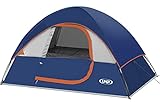
Key takeaways
- Better protection in severe weather. Stronger poles, tougher fabrics, and more secure guy points help the tent remain stable in wind and under moderate snow loads.
- More usable in winter. Reduced mesh and enclosed vestibules help keep blowing snow out and make changing clothes less miserable in freezing conditions.
- Greater durability. A well-built four season shelter may resist abrasion and repeated setup in rough environments better than an ultralight three season model.
- Improved peace of mind. When the forecast changes, a sturdier shelter gives you more margin for error than a minimalist tent with a highly ventilated mesh canopy.
- Longer potential camping season. You can use it for winter trips, shoulder-season storms, high-elevation camps, and windy coastal locations rather than limiting it to calm summer nights.
- More enclosed storage. A generous vestibule can protect boots and a backpack from snow and rain, leaving more usable room inside the sleeping area.
The Short Answer
Is a four season tent worth it? Yes—if you regularly camp in snow, strong wind, or exposed alpine conditions. If most of your trips happen from spring through fall in mild weather, a good three season tent is usually the better buy.
A four season tent is not simply a warmer version of a summer tent. It is a more weather-resistant shelter designed to handle winter conditions, including heavier snow loading, sustained wind, spindrift, and colder temperatures. That extra protection comes with trade-offs: more weight, less ventilation, a higher price, and often less interior space.
Our top picks
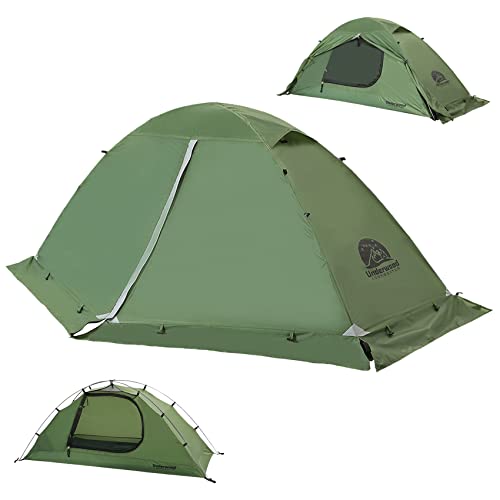
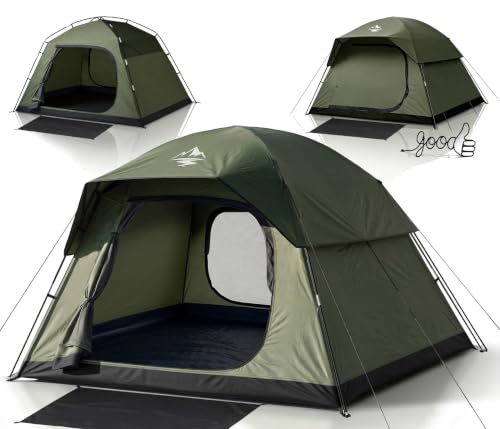
As an Amazon Associate we earn from qualifying purchases at no extra cost to you. Ratings are shown as listed on Amazon.
For occasional winter camping, the decision comes down to how much risk and inconvenience you are willing to accept. A four season model can make difficult conditions more manageable, but it cannot replace proper clothing, route planning, avalanche awareness, or cold-weather camping skills.
What You Actually Get
A true four season tent usually has a sturdier pole structure than a standard backpacking tent. Many use two or more poles that cross at the top, creating a stronger frame capable of supporting accumulated snow. Some expedition models add extra poles, reinforced corners, and multiple guy-out points for severe weather.
The fabric and ventilation system are also different. Four season tents often use less mesh and more tightly woven nylon or polyester in the canopy. This helps block wind and blowing snow, but it reduces airflow. Adjustable vents, roof vents, and doors that can be opened partially are important because condensation can still build up inside.
Most models have a full-coverage rainfly or an integrated double-wall design. A double-wall tent creates a warmer, drier buffer between you and the outside air, while a full fly helps keep snow from entering through the upper tent body. A vestibule provides covered storage for boots, packs, and cooking gear, although cooking inside a tent is dangerous because of fire and carbon monoxide risk.
Expect a solo four season tent to weigh roughly 3.5 to 6 pounds, while a two-person model commonly weighs 4.5 to 8 pounds. Larger base-camp or family-style shelters can weigh 8 to 15 pounds or more. Packed lengths around 18 to 24 inches are common for backpacking designs, so check whether the tent fits inside or attaches securely to your pack.
Capacity labels need careful interpretation. A “two-person” tent generally means two sleeping pads fit tightly, with little room for gear. A four-person tent may provide a more comfortable setup for two adults, but it can become cramped for four adults plus winter clothing and equipment. Interior floor areas around 25 to 35 square feet are typical for compact solo or two-person shelters; family tents may offer 55 to 70 square feet or more.
Pros
- Better protection in severe weather. Stronger poles, tougher fabrics, and more secure guy points help the tent remain stable in wind and under moderate snow loads.
- More usable in winter. Reduced mesh and enclosed vestibules help keep blowing snow out and make changing clothes less miserable in freezing conditions.
- Greater durability. A well-built four season shelter may resist abrasion and repeated setup in rough environments better than an ultralight three season model.
- Improved peace of mind. When the forecast changes, a sturdier shelter gives you more margin for error than a minimalist tent with a highly ventilated mesh canopy.
- Longer potential camping season. You can use it for winter trips, shoulder-season storms, high-elevation camps, and windy coastal locations rather than limiting it to calm summer nights.
- More enclosed storage. A generous vestibule can protect boots and a backpack from snow and rain, leaving more usable room inside the sleeping area.
Cons
- Higher weight. Carrying an extra 2 to 4 pounds matters on a long approach, especially when you are already carrying a warmer sleeping bag, insulated pad, stove fuel, and extra layers.
- More condensation. Less mesh improves weather protection but traps more moisture from breathing and wet clothing. Even a premium tent needs regular venting and careful site selection.
- Warmer is not guaranteed. The tent blocks wind; it does not generate heat. Your sleeping bag, sleeping pad, clothing, and campsite elevation have a larger effect on overnight warmth.
- Less comfortable in mild weather. On a warm evening, a heavily enclosed canopy can feel stuffy compared with a three season tent that opens nearly all the way.
- Higher cost. Entry-level four season tents may start around $150 to $300, while dependable backpacking models often range from $400 to $900. Specialized mountaineering shelters can cost more than $1,000.
- More complicated setup. Extra poles, guylines, vents, and snow anchors take practice. A rushed setup in high wind can compromise the very protection you bought the tent to provide.
- Limited space for winter gear. Bulky sleeping bags, insulated clothing, and snowshoes quickly consume the floor area, even when the advertised capacity sounds generous.
Who Should Buy It
Buy a four season tent if you expect to camp overnight in conditions that can include snow, freezing rain, strong wind, or exposed terrain. It is particularly appropriate for winter backpackers, mountaineers, ski tourers, ice climbers, and campers who regularly sleep above tree line.
It can also make sense for a cautious shoulder-season camper in a region where sudden storms are common. If your safety depends on staying put through a bad forecast rather than retreating to a vehicle, the additional structure and coverage are valuable.
Choose based on the trips you actually take, not the most dramatic trip you imagine taking. A compact solo shelter priced around $200 to $500 may be sensible for one backpacker. For car camping, a heavier four-person shelter in the $250 to $700 range may provide a better balance of room and weather resistance. Look for aluminum poles, fully taped seams, a bathtub-style floor, sturdy zippers, multiple vents, and a documented snow or wind rating when available.
Who Should Skip It
Skip a four season tent if you camp mainly in warm, established campgrounds or take occasional summer backpacking trips. A three season tent will usually be lighter, cooler, easier to pitch, and less expensive. Many high-quality three season models cost about $150 to $400 and weigh between 2 and 5 pounds.
You should also skip it if you are buying one only because the label sounds safer. A poorly designed bargain tent with weak poles, minimal guy points, or vague specifications may offer less protection than a well-made three season shelter. Likewise, a four season tent is not a substitute for an insulated sleeping pad with an appropriate R-value, a sleeping bag rated for the forecast, or the ability to recognize dangerous winter conditions.
Cheaper Alternatives
| Option | Cost | Trade-off |
|---|---|---|
| Quality three season backpacking tent | $150–$400 | Lighter and cooler, but less capable in heavy snow and sustained wind |
| Three season tent plus footprint and stronger guylines | $180–$450 total | Improves durability and stability, but does not turn the shelter into a winter tent |
| 1 Person 4 Season Backpacking Tent | under $80 | Very low entry price, but verify pole strength, seam sealing, ventilation, floor dimensions, and real cold-weather suitability before relying on it |
| Purebox 4 Person Tent with 2 Doors and Rainfly | under $90 | More room and convenient access for mild-weather camping, but a rainfly and two doors do not automatically make it a four season shelter |
| Used reputable four season tent | $150–$500 | Can deliver better construction for less, but inspect poles, waterproof coatings, zippers, seams, and repairs carefully |
| Winter tent rental | $30–$100 per trip | Good for testing winter camping before buying, but availability, fit, and condition vary |
The inexpensive products above may be reasonable for backyard use, fair-weather car camping, or learning what features you prefer. Treat marketing language carefully. “Waterproof,” “winter,” and “four season” are not interchangeable terms, and a large rainfly alone does not prove that a tent can support snow or resist alpine wind.
FAQ
Can I use a four season tent in summer?
Yes, but comfort depends on ventilation. Open every adjustable vent and door safely, use the tent’s mesh panels when available, and choose a shaded campsite. In hot, humid weather, a three season tent is usually more pleasant because it allows substantially more airflow.
Is a four season tent warmer than a three season tent?
It can feel warmer because it blocks wind and has less exposed mesh, but the difference is limited. A tent does not provide insulation like a sleeping bag or pad. For cold nights, prioritize a sleeping pad with an R-value around 4 to 6 or higher, a sleeping bag suited to the expected low temperature, and dry sleep clothing.
Does a four season tent need a footprint?
A footprint is not always required, but it can protect the floor from sharp rocks, ice, and abrasive snow crystals. Use the manufacturer’s footprint when possible, or choose a fitted groundsheet. The footprint should not extend beyond the tent floor, where it can collect rain and funnel water underneath the shelter.
What is the most important feature to check?
Start with the intended conditions and then examine the structure. Look for a genuinely sturdy pole system, multiple guy-out points, a full-coverage fly or enclosed canopy, taped seams, adjustable ventilation, and enough vestibule space for winter gear. Also check the packed weight and interior dimensions. A tent that is technically capable but too heavy or cramped may stay at home when you need it most.