Key takeaways
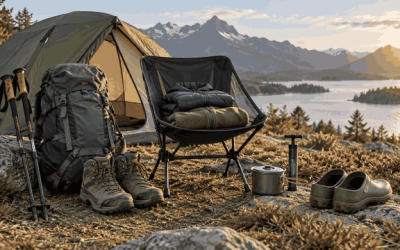
Camp shoes guide readers want the same thing: blissful relief when the hiking boots finally come off. This camp shoes guide rounds up six tested picks, from ultralight sandals to plush recovery slides to cozy down booties, weighing comfort, weight, and warmth so your tired feet get exactly the right reprieve at camp.
As an Amazon Associate we earn from qualifying purchases.
Our top picks


As an Amazon Associate we earn from qualifying purchases at no extra cost to you. Ratings are shown as listed on Amazon.
By Jake Thompson, outdoor gear writer and long-time trail tester
How to Choose Using This Camp Shoes Guide
The best camp shoe depends on your trip: a car camper and an ultralight backpacker want very different things. Focus on comfort and recovery, weight and packability, warmth, and water handling. Match these four factors to your camping style and the choice gets easy.
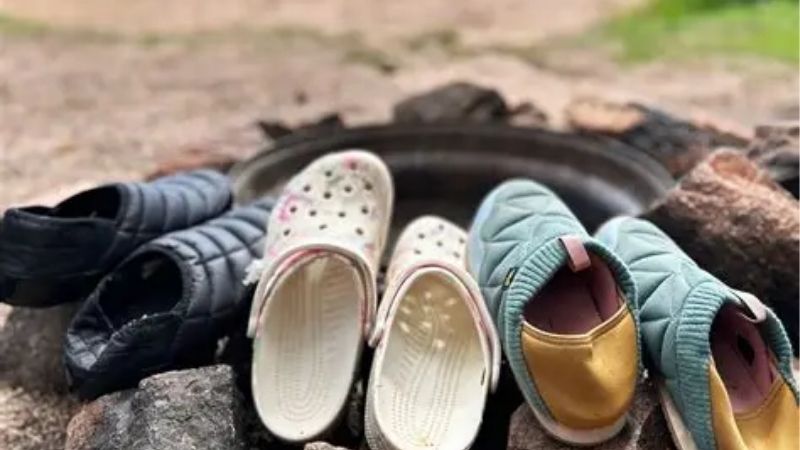
Comfort and Recovery
Comfort is the whole point of a camp shoe, so a soft, supportive footbed matters most. Recovery designs use cushioned foam that absorbs impact and eases stiff joints, which feels incredible after a big-mileage day on the trail.
Some hikers want plush recovery, others want a simple, forgiving foam clog. Decide whether you are chasing maximum cushion or just an easy shoe to slip into around camp.
Weight and Packability
For backpackers, weight and pack space are decisive. Ultralight sandals can weigh well under a pound and pack flat, while sturdier sandals and clogs add comfort and durability at the cost of bulk.
Car campers can ignore weight and prioritize comfort or warmth. Backpackers should weigh every ounce, since a camp shoe is a luxury that has to earn its place in the pack.
Warmth for Cold Camps
In cool or winter conditions, an insulated slipper or down bootie keeps feet warm once you stop moving. Down booties pack tiny and deliver serious warmth, while insulated mules balance warmth with easy on-and-off.
Warmth trades against durability, since the coziest fabric options are delicate and slow to dry. Match insulation to your season, and pair warm camp shoes with dry socks for the most comfort.
Water Handling and Traction
If your camp shoe doubles as a water shoe, quick-drying sandals and wipe-clean foam clogs win. A grippy outsole and a real heel strap add security for stream crossings and rocky campsites.
Foam clogs and recovery sandals are easiest to maintain, rinsing clean and drying fast. Fabric slippers and booties stay wet once soaked, so keep them for dry camps and cold evenings.
Top Picks: Camp Shoes Guide
Every camp shoe in this camp shoes guide is built for after the hike, whether that means recovery, packability, or warmth. The table compares weight, type, and best use, then each pick gets an honest look at its comfort and trade-offs.
| Camp Shoe | Type | Weight (pair) | Best For |
|---|---|---|---|
| Crocs Classic Clog | Foam clog | ~1 lb | Budget, versatile all-rounder |
| Xero Z-Trail EV | Minimalist sandal | ~0.68 lb | Ultralight, packable |
| OOFOS OOahh Slide | Recovery slide | ~11 oz | Post-hike recovery |
| Chaco Z/1 Classic | Supportive sandal | ~2 lb | Durable, trail-capable |
| Teva ReEmber Slip-On | Insulated slipper | Light | Cozy camp evenings |
| Down Booties | Insulated bootie | ~9 oz | Cold-weather warmth |
Crocs Classic Clog
The versatile budget favorite, the Crocs Classic is waterproof, easy to clean, and roomy enough for socks, making it reliable around wet grass, campground showers, and dirt. Around a pound a pair and genuinely comfortable, it is the do-everything camp shoe.
The looks are polarizing and the foam can warp in high heat or prolonged sun. But for a cheap, wipe-clean shoe that handles camp, town, and water, it has earned its long-running popularity as the default choice for campers on a budget.
Xero Z-Trail EV
For ultralight backpackers, the Z-Trail is the packable pick, weighing under three-quarters of a pound and folding down small, yet supportive enough for camp and water crossings. Its quick-drying build and zero-drop feel make it a barefoot-style reprieve after boots.
The minimalist sole offers less cushion and protection than a recovery shoe, and the fit runs particular. For weight-conscious hikers who still want a capable sandal, though, it is a top choice.
OOFOS OOahh Slide
For pure recovery, the OOFOS slide delivers plush, joint-easing comfort with a foam designed to absorb more impact than standard footwear. Slip it on after a long day and tired feet get soft cushioning and a roomy, no-pinch fit.
It is a slide without a heel strap, so it is less secure on uneven ground and not for water crossings. As the reward your feet crave at camp after big miles, though, it is hard to top.
Chaco Z/1 Classic
The Chaco Z/1 is the durable, do-more sandal, with a supportive footbed and a sticky ChacoGrip outsole that handles rocky campsites and short hikes from camp. It is trail-capable enough to double as a river and basecamp shoe on rugged trips.
At close to two pounds it is heavy and bulky for ultralight use, and the strap system needs a fit adjustment. For car campers and rafters who want one tough sandal for everything, it is excellent.
Teva ReEmber Slip-On
For cozy camp evenings, the ReEmber is an insulated, quick-drying slipper with a collapsible heel for easy on-and-off. Its synthetic fill adds shoulder-season warmth, and it proved durable in testing, making it a comfortable pick for cool nights.
It is less town-friendly than a clog and, like most insulated fabric shoes, less ideal for wet use. For warmth and comfort around a chilly camp, though, it strikes a great balance.
Down Booties
For cold and winter camps, down booties are the warmth champions, packing down to tiny balls while delivering serious insulation for as little as nine ounces a pair. Slip them on with dry socks and cold feet turn toasty fast.
The delicate fabrics snag and tear easily and stay wet once damp, and they offer little support on uneven ground. As dedicated cold-weather camp warmth, though, nothing packs as much heat for the weight, which is why cold-weather backpackers keep reaching for them.
Market Context: Prices, Timing and Value in 2026
Camp shoes span cheap clogs to specialty booties, so a little timing helps when buying from this camp shoes guide in 2026. Import cost pressure and the seasonal deal calendar both shape prices across the category this year.
Why Prices Move
Most camp shoes are imported, and 2026 tariff policy has stayed uncertain even after legal challenges, keeping costs elevated. Budget foam clogs absorb less of this, while specialty and down items feel it more as makers pass costs along.
Because policy keeps shifting, brands call future pricing guesswork. Buying a proven camp shoe while it is in stock in your size beats waiting on a lower price, especially for seasonal down and insulated options.
Where the Deals Are
Retailers clear pre-tariff inventory through late 2026, so prior-year colorways of clogs, slides, and sandals often sell at real markdowns. Camp shoes change little year to year, so the older version usually feels identical.
Amazon’s fall event in early October and the late-November Black Friday and Cyber Monday windows bring the deepest cuts. Cold-weather booties and slippers also go on sale as winter approaches, so time those purchases for late fall.
Match the Buy to Your Season
If you camp in cold months, buy insulated options before the first freeze, when stock and sizes are fullest. Ultralight sandals and recovery slides sell year-round, so those you can grab whenever a deal appears.
For a trip on the calendar, prioritize the right shoe for your conditions over a small saving. A comfortable, appropriate camp shoe in hand beats a cheaper pair that is wrong for the weather.
Frequently Asked Questions
These are the questions campers ask most when using a camp shoes guide to choose.
Are camp shoes worth carrying while backpacking?
For many hikers, yes. Letting boots dry and giving feet a break aids recovery, and ultralight sandals or booties add little weight. Weight-obsessed ultralighters may skip them, but most find the comfort worth the ounces.
What is the lightest camp shoe option?
Ultralight sandals like the Xero Z-Trail and packable down booties are the lightest, often under a pound and folding small. They are the go-to for backpackers who count every ounce yet still want camp relief.
Can camp shoes double as water shoes?
Quick-drying sandals and wipe-clean foam clogs work well for crossings, especially with a grippy sole and a heel strap. Fabric slippers and down booties do not, since they stay wet once soaked.
Are recovery slides better than sandals?
For pure after-hike comfort, recovery slides offer more cushion and joint relief. Sandals with straps are more secure and versatile for crossings and rough ground, so choose based on comfort versus utility.
See More:
- Best boots for rocky trails
- Best boots for snow hiking
- Budget hiking shoes
- Premium hiking boots
- Hiking shoe comparison chart
Final Thoughts
This camp shoes guide comes down to matching the shoe to your trip: recovery slides for plush after-hike comfort, ultralight sandals and down booties for backpackers, and foam clogs for cheap, wipe-clean versatility. Pick the six above by weight, warmth, and comfort, buy the right pair for your season while sizes last, and your feet will finally get the reward they earned.