Key takeaways
Hiking shoe brands each have a signature strength, and knowing them saves you from buying the wrong shape for your feet. This guide compares the top hiking shoe brands by fit, traction, and value, with a flagship pick from each so you can match a proven maker to your terrain, foot shape, and budget.
As an Amazon Associate we earn from qualifying purchases.
By Jake Thompson, outdoor gear writer and long-time trail tester
How to Choose Among Hiking Shoe Brands
Brands differ most in fit and philosophy, not just logos. Focus on last shape and width, outsole technology, durability, and value. Understanding what each maker is known for lets you shortlist quickly instead of guessing across dozens of models. The right brand for a friend may be wrong for you, since feet and priorities differ.
Fit and Last Shape
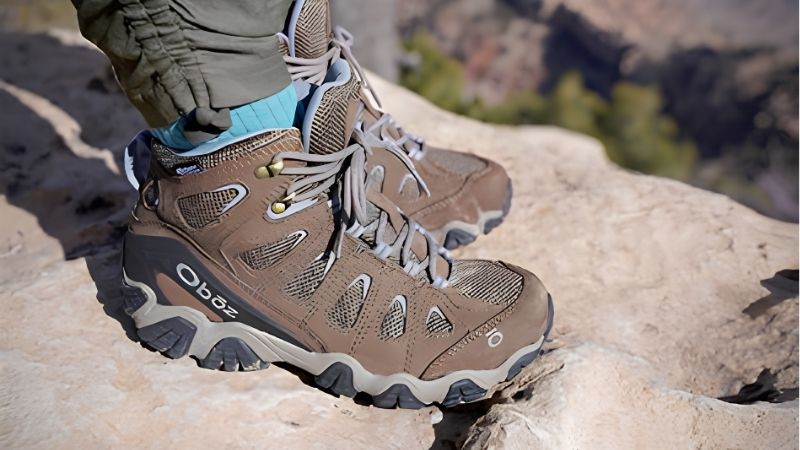
Every brand builds on a distinct last, so fit is the first filter. Salomon runs narrow and athletic, Keen and Merrell run roomy, and Altra uses a foot-shaped last with a wide toe box, which decides comfort more than any spec.
Match the last to your foot. Wide feet thrive in Keen, Merrell wide sizes, or Altra, while narrow feet lock in better with Salomon or La Sportiva, so try the shape before the model.
Outsole and Traction Technology
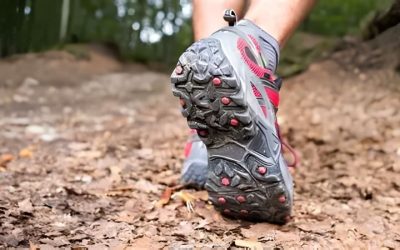
Outsole rubber is where brands compete hard. Many use premium Vibram compounds like Megagrip, while Salomon runs its own sticky Contagrip and Keen uses its durable in-house rubber, each tuned for grip and wear differently.
Aggressive, well-spaced lugs shed mud and bite loose terrain. If you hike wet rock often, favor a brand known for sticky rubber over one that prioritizes durability with a firmer compound.
Durability and Build Quality
Some brands prioritize longevity, others weight. Leather-focused makers like Keen and La Sportiva build tough, long-lasting shoes, while lighter athletic models trade some durability for speed and breathability.
Resoleability is a bonus at the premium end. Brands like La Sportiva offer resoleable outsoles, which stretches a shoe’s life and lowers its true cost per mile over the years.
Value and Price Tier
Price maps loosely to positioning. Merrell and Columbia anchor the value end, Salomon and Keen sit mid-range, and La Sportiva, Scarpa, and Hoka’s premium hikers command more for materials and performance.
More money buys better rubber, leather, and support, but not always the right fit. A well-fitting mid-range shoe beats a premium one that pinches, so weigh fit alongside tier.
Top Picks: Hiking Shoe Brands
Here are six leading hiking shoe brands, each represented by a flagship model that shows what the maker does best. The table sums up their signature strength and fit, then each pick gets an honest look at who it suits and where it falls short.
| Brand | Flagship Model | Known For | Fit |
|---|---|---|---|
| Salomon | X Ultra 5 GTX | Agile traction, Contagrip | Narrow, athletic |
| Merrell | Moab 3 | Comfort and value | Roomy, wide available |
| Keen | Targhee IV | Toe protection, durability | Wide toe box |
| La Sportiva | Nucleo High II GTX | Technical grip, Vibram | Medium, performance |
| Hoka | Speedgoat / Anacapa | Max cushion | Narrow to medium |
| Altra | Lone Peak 9 | Zero drop, wide toe box | Foot-shaped, wide |
Salomon
Salomon is the brand for hikers who want an athletic, fast feel. Its flagship X Ultra 5 delivers trail-runner agility with hiking-shoe stability, a sticky All-Terrain Contagrip outsole, and a Quicklace system, making it a favorite for technical dirt and light backpacking.
Salomon lasts run narrow, so wide feet should try before buying. For hikers who prioritize speed, grip, and a secure, sporty fit, though, few brands are as consistently capable across day hikes and light backpacking alike.
Merrell
Merrell is the value and comfort king, and its Moab is the shoe half the trail wears. Comfortable out of the box with a Vibram TC5+ outsole, durable upper, and wide sizes, it delivers dependable performance without the premium price.
Merrell shoes run heavier and less breathable than athletic rivals, and the lugs skate on slick rock. For beginners and value hikers who want comfort and durability, though, it is the safe default.
Keen
Keen is the brand for wide feet and toe protection. Its Targhee line pairs a roomy toe box with a signature wraparound rubber toe cap and durable leather, making it a go-to for hikers who feel cramped in other makers’ shoes.
Keen shoes feel heavier and less nimble, with average stickiness on wet rock. For wide-footed hikers who want proven durability and standout toe protection, though, the brand is hard to beat.
La Sportiva
La Sportiva brings climbing-brand precision to hiking. The Nucleo High II uses a sticky Vibram outsole, a rubber rand, and a Gore-Tex Surround lining, excelling on technical rock and scrambles where lesser shoes smear, and its outsole is resoleable.
Its supple uppers offer less structure than a burly boot, and thin laces can snap. For hikers tackling rocky, technical terrain who value grip and craftsmanship, though, it is a premium standout.
Hoka
Hoka is the max-cushion brand that converts sore-footed hikers. Its Speedgoat trail runner and Anacapa hiker pair plush, protective midsoles with grippy Vibram Megagrip outsoles, easing long-mileage days with a soft, forgiving ride.
Hoka’s fit runs narrow, and the tall stack can feel less stable on very technical ground. For hikers who prize cushioned comfort over ground feel, though, it is a category leader.
Altra
Altra is the brand for natural movement and wide toe boxes. Its Lone Peak uses a zero-drop platform and a FootShape last that lets toes splay fully, beloved by thru-hikers and anyone whose toes get cramped in conventional shoes.
The zero drop needs a calf and Achilles transition, and the roomy fit feels loose for some. For hikers who want toe room and a barefoot-inspired stride, though, Altra stands alone.
Market Context: Prices, Tariffs and Timing in 2026
Across hiking shoe brands, 2026 pricing rewards a little timing. Imported footwear costs remain uncertain under shifting tariff policy, but closeout stock and the seasonal calendar open real chances to save regardless of which brand you favor.
Why Prices Differ by Brand
All these brands import their shoes, and 2026 tariff policy has stayed in flux even after legal challenges, keeping costs elevated. Premium makers have raised prices using pricing power, while value brands pass costs straight to shoppers, widening the gap between tiers.
Because policy keeps shifting, brands describe future pricing as guesswork. That is a fair reason to buy a proven model you trust while it is in stock and correctly sized rather than waiting on a lower price.
Finding Your Brand for Less
Closeout stock is the value play. Retailers are clearing pre-tariff inventory through late 2026, so last-season versions of flagship models from any brand are the best place to find real markdowns with near-identical performance.
Shoes update yearly with minor changes, so the prior version usually fits and performs like the new one. That makes the older colorway the smartest way to buy your favorite brand for less.
When to Buy
Back-to-school demand firms up early-fall prices, but Amazon’s fall sale event in early October and the late-November Black Friday and Cyber Monday windows bring the deepest cuts. A wishlist plus price tracking helps you buy at the low.
If you need shoes for a trip, prioritize the right fit over a small saving. A well-fitting shoe broken in at home beats a discounted pair from any brand that pinches or arrives late.
Frequently Asked Questions
These are the questions hikers ask most about hiking shoe brands.
Which brand is best for wide feet?
Keen, Merrell wide sizes, and Altra lead for width. Keen and Merrell offer roomy toe boxes and true wide options, while Altra builds every shoe on a foot-shaped last, so toes splay without a special size.
Which brand grips wet rock best?
Brands using Vibram Megagrip, like Hoka, La Sportiva, and many current models, grip wet rock best. Salomon’s Contagrip is also excellent, while brands prioritizing durable in-house rubber can feel slick on slabs.
Are premium brands worth it?
For rough terrain, heavy loads, and frequent hiking, yes, thanks to better rubber, materials, and sometimes resoleability. For easy trails and occasional use, a value brand like Merrell delivers most of the performance for less.
Should I stick with one brand?
Only if its last fits your foot well. Fit varies a lot between brands, so the best approach is to find the shape that suits you, then explore that maker’s models rather than brand loyalty alone. Many hikers happily mix brands across different shoes for different uses.
See More:
- Best boots for rocky trails
- Best boots for snow hiking
- Budget hiking shoes
- Premium hiking boots
- Hiking shoe comparison chart
Final Thoughts
The best of the hiking shoe brands is simply the one whose last fits your foot and whose strengths match your trails. Narrow, fast feet lean Salomon or La Sportiva; wide feet lean Keen, Merrell, or Altra; sore feet lean Hoka. Find your shape first, buy a proven flagship while sizes last, and the brand debate takes care of itself. Fit first, model second, and any of these makers can serve you well for years.
Our top picks


As an Amazon Associate we earn from qualifying purchases at no extra cost to you. Ratings are shown as listed on Amazon.