Key takeaways
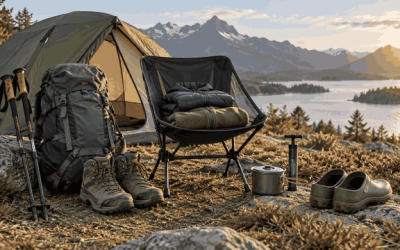
Footwear checklist planning is about the whole system, not just the boots, because socks, insoles, and care matter as much as the shoe. This footwear checklist walks through six essentials, from the right boots to gaiters and waterproofing, so your feet stay comfortable, dry, and blister-free on every hike.
As an Amazon Associate we earn from qualifying purchases.
Our top picks


As an Amazon Associate we earn from qualifying purchases at no extra cost to you. Ratings are shown as listed on Amazon.
By Jake Thompson, outdoor gear writer and long-time trail tester
How to Build the Right Footwear Checklist
A good footwear system layers several pieces that work together. Focus on core footwear, moisture management, support, and protection and maintenance. Cover these four areas and your feet handle everything from a day hike to a wet, multi-day trek. Skipping any one area is where most foot problems begin, so treat the list as a connected whole.

Core Footwear First
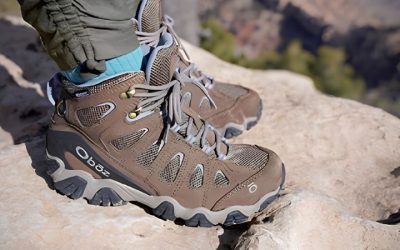
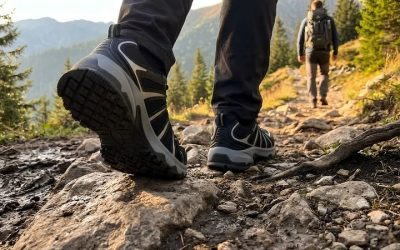
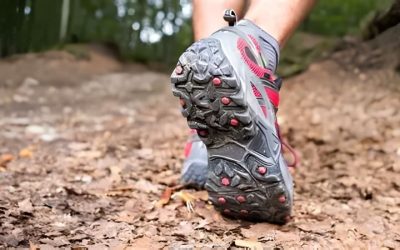
The boot or shoe is the foundation, so it deserves the most care in fit. Match it to your load and terrain: a nimble shoe for day hikes, a supportive mid boot for backpacking, or a trail runner for fast, light miles.
Fit trumps everything here. Leave thumb-width room ahead of the toes, confirm the heel locks down, and try width options, since the right core shoe prevents most foot problems before they start.
Moisture Management
Socks are the unsung hero of foot comfort. A snug, moisture-wicking merino or synthetic sock moves sweat and holds its shape when damp, preventing the bunching and dampness that cause blisters on long days.
Carry spares and avoid cotton entirely. Swapping to dry socks at a lunch break refreshes the feet and cuts blister risk, so pack more pairs than you think you need.
Support and Cushioning
Aftermarket insoles upgrade stock footbeds that often lack real support. A firm, supportive insole with a deep heel cup stabilizes the foot, reduces fatigue under load, and can ease overpronation on rocky, uneven trails.
Match support to your feet. High arches and heavy packs benefit most from firm support, while day hikers on easy trails may prefer a thinner, more cushioned insert.
Protection and Maintenance
The last layer keeps debris out and boots alive. Gaiters block dirt, rocks, and snow from spilling into your footwear, while cleaning and reproofing products extend a boot’s life and restore its water resistance.
Camp shoes round out the system, letting boots dry and feet recover after the hike. Together, protection and maintenance turn a good boot into one that lasts and performs for years.
Top Picks for Your Footwear Checklist
Here are six essentials that complete a hiking footwear system, each an example pick for its role. The table sums up what each item does, then every pick gets an honest look at why it belongs on the list and what to check when you buy.
| Essential | Example Pick | Why You Need It |
|---|---|---|
| Hiking boots/shoes | Merrell Moab 3 | The core of the system |
| Hiking socks | Darn Tough Hiker Micro Crew | Moisture and blister control |
| Insoles | Superfeet Hike Support | Support and fatigue relief |
| Gaiters | Outdoor Research Rocky Mountain Low | Keep out debris and snow |
| Camp shoes | Crocs Classic / Xero Z-Trail | Recovery, let boots dry |
| Care and waterproofing | Nikwax Fabric & Leather Proof | Extend boot life |
Hiking Boots or Shoes
The core of any footwear checklist is the shoe itself, and the Merrell Moab 3 is a can’t-go-wrong starting point. Comfortable out of the box with a Vibram TC5+ outsole, durable upper, and wide sizes, it handles day hikes and moderate backpacking dependably.
It is heavier and less breathable than athletic shoes, and skates on slick rock. As the foundation of a first footwear system, though, its comfort, durability, and value are hard to beat.
Hiking Socks
Socks are non-negotiable, and Darn Tough’s merino Hiker Micro Crew is the benchmark. Durable wool, medium cushion, a secure fit that resists bunching, and a lifetime guarantee make it a buy-once foundation for blister-free miles.
Merino runs warm in peak heat and costs more than basic socks. For managing moisture and preventing blisters across long, high-friction days, though, quality socks are the best value on this list.
Insoles
Aftermarket insoles fix the flat, unsupportive footbeds many shoes ship with. Superfeet’s Hike Support pairs a firm arch and deep heel cup with a stabilizer, guiding foot motion and easing fatigue for hikers who overpronate or carry heavy packs.
Firm support can feel stiff in narrow shoes and may need trimming to fit. For hikers with high arches or long, loaded days, though, the right insole is a comfort game-changer.
Gaiters
Gaiters keep trail debris out of your footwear, and a low pair like Outdoor Research’s Rocky Mountain Low blocks dirt, pebbles, and light snow from spilling over the collar. They save you from stopping to empty shoes on dusty or rocky trails.
Low gaiters do not seal deep snow, for which taller mountaineering gaiters exist, and they add a small layer of warmth. For most trail hiking, though, a light pair is a cheap, worthwhile upgrade.
Camp Shoes
Camp shoes let boots dry and feet recover, and a Crocs Classic or ultralight Xero Z-Trail covers the role. One is a cheap, wipe-clean all-rounder; the other packs tiny for backpackers who count every ounce, both delivering blissful after-hike relief.
Crocs can warp in high heat and the Z-Trail offers minimal cushion. As a light luxury that aids recovery and protects your boots, though, camp shoes earn their spot in the pack.
Care and Waterproofing
Maintenance completes the checklist, and Nikwax Fabric & Leather Proof restores water repellency to combo and Gore-Tex boots without harming breathability. Regular cleaning and reproofing can meaningfully extend a boot’s life and keep feet dry.
You must match the product to your boot material and apply it sparingly on membranes. As cheap insurance that protects a pricey boot, though, care products are a smart final essential.
Market Context: Prices, Timing and Value in 2026
Building a full footwear checklist means several purchases, so timing helps in 2026. Import cost pressure and the seasonal deal calendar shape prices, and buying the system smartly saves money while protecting the trips it supports. None of these items is costly alone, but together they decide whether a hike feels comfortable or miserable.
Why the System Adds Up
Boots, socks, insoles, and accessories are all imported, and 2026 tariff policy has stayed uncertain even after legal challenges, keeping costs elevated. Premium items have edged up, while value picks pass costs straight to shoppers, so a full system costs more than it did.
The good news is that most checklist items are cheap next to the boot, and several last for years. Spending a little on socks, insoles, and care protects a far pricier shoe and prevents ruined trips.
Where to Save
Closeout stock is the value play for footwear itself. Retailers are clearing pre-tariff inventory through late 2026, so last-season boots and shoes offer real markdowns, while socks and accessories dip during major sales.
Amazon’s fall event in early October and the late-November Black Friday and Cyber Monday windows bring the deepest cuts. Buying the whole system during a sale is the efficient way to complete your checklist.
Build It Once
Assemble the system deliberately: a well-fitted core shoe, proven socks, supportive insoles, gaiters, camp shoes, and care products. Test each on short hikes so you trust it before a big objective.
Replace consumables like socks before they wear out, and reproof boots each season. A complete, maintained system keeps your feet happy trip after trip without last-minute scrambles.
Frequently Asked Questions
These are the questions hikers ask most about building a footwear checklist.
What is the most important item on the list?
A well-fitted core shoe or boot matters most, since fit prevents the majority of foot problems. Quality socks come a close second, because they manage moisture and friction no matter how good the shoe is.
Do I really need gaiters?
For dusty, rocky, or snowy trails, yes, since they save constant stops to empty debris. On smooth, dry paths they are optional, but a light pair is cheap insurance against pebbles and grit in your shoes.
Are aftermarket insoles worth it?
For most hikers, yes, because stock footbeds are thin and unsupportive. A firm, supportive insole reduces fatigue and stabilizes the foot under load, especially valuable for high arches and long, heavy-pack days.
How often should I reproof my boots?
Reproof whenever water stops beading, and clean after muddy or salty trips. Regular maintenance every few weeks of use keeps waterproofing working and extends the boot’s life for years, which is far cheaper than replacing a boot early.
See More:
- Best boots for rocky trails
- Best boots for snow hiking
- Budget hiking shoes
- Premium hiking boots
- Hiking shoe comparison chart
Final Thoughts
A complete footwear checklist treats your feet as a system: a well-fitted core shoe, moisture-wicking socks, supportive insoles, gaiters, camp shoes, and care products that keep it all alive. Assemble the six essentials above, test them on short hikes, and restock during sales, and your feet will stay comfortable, dry, and blister-free on every trail. Build it once, maintain it, and you rarely have to think about your feet again.