Key takeaways
Hiking shoe comparison chart shoppers want one thing: the key specs of the best models lined up so the choice is obvious. This hiking shoe comparison chart ranks six top shoes by weight, outsole, waterproofing, and price so you can match a proven model to your terrain, budget, and hiking style in minutes.
As an Amazon Associate we earn from qualifying purchases.
Our top picks


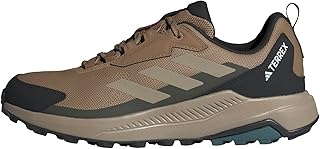

As an Amazon Associate we earn from qualifying purchases at no extra cost to you. Ratings are shown as listed on Amazon.
By Jake Thompson, outdoor gear writer and long-time trail tester
How to Choose Using a Hiking Shoe Comparison Chart
A chart only helps if you know which columns matter for you. The four that decide most purchases are weight, outsole rubber, waterproofing, and fit. Read them in that order against your typical trails and the right shoe usually stands out fast.
Weight Versus Support
Lighter shoes reduce fatigue and feel fast, but very light models trade away support and durability. Match weight to your load: a light day pack pairs well with a nimble shoe, while heavier loads reward a sturdier, slightly heavier build.
Weight also compounds over distance. An ounce saved per shoe barely registers on a short walk but adds up noticeably across a long day, which is why fast hikers obsess over it.
Outsole Rubber and Terrain
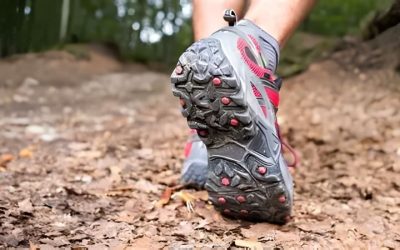
The rubber compound decides grip more than lug depth. Sticky Vibram Megagrip or Salomon Contagrip holds wet rock and roots, while firmer generic rubber slips. Match the outsole to your terrain, favoring stickier compounds for wet or rocky trails.
Lug pattern handles the loose stuff. Deeper, spaced lugs shed mud and bite scree, whereas low-profile tread rolls better on hardpack but gives up traction off the beaten path.
Waterproofing Trade-Offs
A waterproof membrane keeps feet dry in puddles and wet grass but runs hotter and dries slowly once flooded. In warm, dry climates a breathable non-waterproof shoe is cooler and often smarter, so check whether a model offers both versions.
Consider your seasons. Shoulder-season and rainy-region hikers benefit from a membrane, while desert and summer hikers usually prefer maximum breathability and quick drainage.
Fit, Width, and Toe Box
The best shoe on any chart is the one that fits your foot. Salomon lasts run narrow, Keen and Merrell run roomy, so width and toe-box shape should steer your shortlist as much as specs do.
Leave thumb-width room ahead of the toes for downhill descents. A shoe that fits fine on flat ground can jam toes on steep drops if it is sized too short.
Top Picks: Hiking Shoe Comparison Chart
This hiking shoe comparison chart lines up six proven shoes across the tiers so you can compare at a glance, and each pick gets an honest note on who it suits. Together they cover budget to premium, lightweight to durable, and dry to waterproof.
| Shoe | Weight (pair) | Outsole | Waterproof | Price Tier | Best For |
|---|---|---|---|---|---|
| Salomon X Ultra 5 GTX | ~1 lb 10.8 oz | All-Terrain Contagrip | Gore-Tex | Premium | Best overall performance |
| Merrell Moab 3 | ~2 lb | Vibram TC5+ | WP option | Budget | Durable value all-rounder |
| Merrell Moab Speed 2 | ~1 lb 8.7 oz | Vibram 460 MegaGrip | GTX option | Mid | Lightweight, fast days |
| Oboz Katabatic LT Low GTX | Light | Oboz rubber | Gore-Tex | Mid-premium | Athletic waterproof |
| Danner Trail 2650 | Light-mid | Vibram 460 MegaGrip | GTX option | Mid-premium | Comfort and versatility |
| adidas Terrex Skychaser AX5 | Light | Traxion / Continental | GTX ~$120 | Budget | Best value with support |
Salomon X Ultra 5 GTX
Widely rated best overall, the X Ultra 5 balances trail-runner agility with hiking-shoe stability. An EnergyCell midsole absorbs impact, the All-Terrain Contagrip outsole bites loose dirt and wet rock, and the Gore-Tex lining stays dry while the Quicklace system dials fit fast.
The main catch is a narrow last, so wide feet should try before buying, and it sits at the premium end of the chart. For technical hikes and light backpacking, it is the shoe most others are measured against.
Merrell Moab 3
The value anchor of the chart, the Moab 3 delivers out-of-box comfort, a durable leather-and-mesh upper, and a Vibram TC5+ outsole for hundreds of reliable miles, in waterproof and cheaper non-waterproof versions. Wide sizes suit most foot shapes.
It is heavier and less breathable than modern lightweight shoes, and its rounded lugs skate on slick rock. As a do-it-all budget shoe that handles almost any trail, though, it is the safe default recommendation.
Merrell Moab Speed 2
The lightweight Moab pairs a grippy Vibram 460 MegaGrip outsole with a soft, athletic upper for a nimble, cool ride, often under $150 non-waterproof. It vents well and doubles happily as an everyday shoe for warm-climate hikers.
It is less protective than the standard Moab, the toe box runs roomy, and the midsole cushion fades over time. For fast, light day hikers who value breathability, it is a superb mid-tier choice.
Oboz Katabatic LT Low GTX
The Katabatic LT offers excellent waterproofing in a lighter, more athletic package than most Gore-Tex shoes. It feels quick underfoot yet keeps feet dry, making it a strong choice for wet-region hikers who still want to move fast on trail.
It costs more than budget picks and, like all waterproof shoes, runs warmer than a breathable model in summer heat. For athletic hikers who need reliable waterproofing without the weight, it is a smart middle-ground pick.
Danner Trail 2650
Named for the Pacific Crest Trail’s mileage, the Trail 2650 is prized for comfort and versatility, with a grippy Vibram 460 MegaGrip outsole that handles rocky terrain and river fords across long routes. It is the go-to when trail runners feel too flimsy and burly shoes too much.
It is not the cheapest option and leans casual in styling, and cushion is moderate rather than plush. For all-day comfort across varied terrain, though, it is a widely loved crossover shoe.
adidas Terrex Skychaser AX5
The budget standout, the Skychaser AX5 delivers genuine support and traction for around $100, with a rare budget Gore-Tex option near $120. Testers found it capable on steep switchbacks and rocky sections where soft cheap shoes struggle.
As an entry-level version of the pricier Skychaser, it is not the most durable long term. For an average day hiker who wants support and optional waterproofing on a tight budget, it is the best value on the chart.
Market Context: Prices, Tariffs and Timing in 2026
Prices across this hiking shoe comparison chart have moved unevenly in 2026, so knowing the market helps you buy at the right moment. Tariff uncertainty and the seasonal deal calendar together decide when each tier hits its best price.
Why Prices Vary by Tier
All these shoes are imported, and 2026 tariff policy has stayed uncertain even after legal challenges, keeping costs elevated. Premium brands have used pricing power to raise prices, while budget and mid-tier makers pass costs straight to shoppers, widening the gap between tiers on the chart.
Because policy remains in flux, brands call future pricing guesswork. That uncertainty is a fair reason to buy a proven model while it is in stock rather than betting on a lower price later.
Where the Savings Are
Closeout stock is the buyer’s advantage this year. Retailers are clearing pre-tariff inventory through late 2026, so last-season versions of the shoes on this chart are the best place to find real markdowns, especially in the mid-premium band.
Performance barely changes year to year, so a discounted prior-year model of the X Ultra or Trail 2650 usually matches the current one. That makes last season’s colorway the smartest value move on the whole chart.
The Best Times to Buy
Back-to-school demand firms up early-fall prices, but Amazon’s fall sale event in early October and the late-November Black Friday and Cyber Monday windows bring the deepest cuts. Build a wishlist and let price tracking flag the low.
If you need shoes for an imminent trip, a small premium beats missing your size. Otherwise, patience through the sale windows lets you buy any tier on this chart at its best price.
Frequently Asked Questions
Here are the questions hikers ask most when using a hiking shoe comparison chart to choose.
Which spec matters most on a comparison chart?
Fit and outsole rubber usually decide satisfaction most. A perfectly fitting shoe with sticky rubber outperforms a lighter or cheaper shoe that slips or pinches, so weigh those two columns heavily against your terrain.
Are hiking shoes as good as boots?
For day hikes with light loads and reasonable ankle strength, shoes are lighter, cooler, and quicker to break in. Choose boots when carrying heavy packs or crossing sharp, rocky, or snowy terrain that demands more protection.
How do I read the weight column?
Weights are per pair and vary by size and version, so treat them as a guide. Lighter reduces fatigue on long days, while a little extra weight often buys more support and durability for heavier loads.
Should I buy waterproof or not?
Buy waterproof for wet regions and shoulder seasons, and breathable non-waterproof for warm, dry climates. Many models on this chart offer both, so pick the version that matches your typical weather rather than defaulting to a membrane.
See More:
Final Thoughts
This hiking shoe comparison chart makes the trade-offs clear: the X Ultra 5 leads on all-round performance, the Moab 3 and Skychaser AX5 win on value, and the Trail 2650 and Katabatic LT shine for comfort and waterproofing. Match the columns to your terrain, budget, and fit, buy a proven model while sizes last, and you will land the right shoe without second-guessing.