Key takeaways
Trail running shoes review season is here, and we compared six of the best pairs for 2026. From max-cushion mountain shoes to zero-drop thru-hiker favorites, this trail running shoes review compares real weights, stack heights, grip, and fit so you can match a shoe to your stride, your terrain, and your goals.
As an Amazon Associate we earn from qualifying purchases.
Our top picks


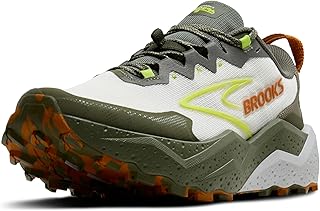


As an Amazon Associate we earn from qualifying purchases at no extra cost to you. Ratings are shown as listed on Amazon.
By Jake Thompson
How to Choose Trail Running Shoes
Picking a trail shoe means matching cushion, drop, grip, and fit to how you run. This trail running shoes review groups picks by those traits so you can weigh a plush ride against ground feel before you commit. The criteria below sort it out.
Cushion and Stack Height
Stack height is the foam between your foot and the ground. High stacks, like the Hoka Speedgoat’s 37 mm, soak up hardpack and long downhills your knees will thank you for, while lower stacks deliver ground feel and stability on technical terrain.
Decide what your runs demand. Long training miles and ultras favor cushion, while short, technical trails reward a lower, more connected ride. The right stack keeps you comfortable late in a run without feeling tippy on rough ground.
Heel-to-Toe Drop
Drop shapes your stride. Most trail shoes sit at a moderate 5 to 8 mm, like the Speedgoat and Peregrine, which suits a wide range of runners. Zero-drop shoes like the Altra Lone Peak encourage a natural footstrike but need adaptation.
Runners with a long history in traditional shoes may prefer higher drops, then transition down slowly if desired. Switching drop too fast risks calf and Achilles strain, so match the number to your current stride and ease into change.
Traction and Terrain
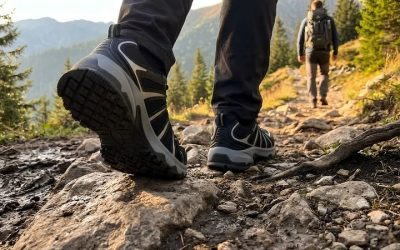
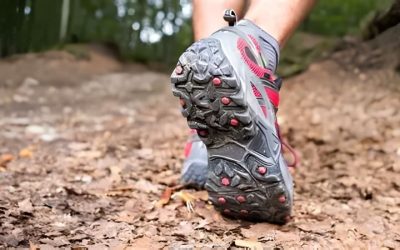
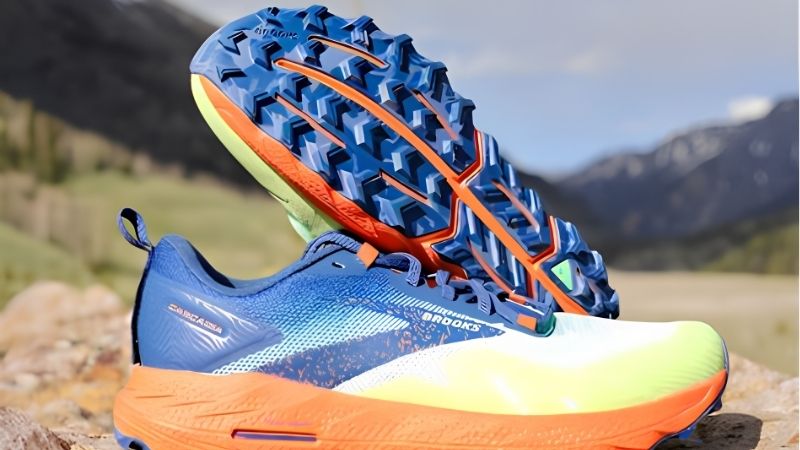
Lug depth and rubber compound decide grip. Vibram Megagrip outsoles bite on wet rock, while deep lugs like the Salomon Speedcross handle mud and soft ground. Match the tread to your usual surfaces for confident footing.
Aggressive lugs feel awkward on hardpack and road, so runners mixing pavement and trail may prefer a moderate tread. Consider where your runs actually take you before chasing the most aggressive outsole on the shelf.
Fit and Foot Shape
Fit is everything on trail. Altra and Topo build wide, foot-shaped toe boxes, while Salomon, Brooks, and La Sportiva run narrower and lock the foot down. A shoe matched to your foot shape prevents the blisters that derail long efforts.
Wide feet should start with Altra or Topo; narrow feet lock in better with Salomon or Brooks. Try shoes late in the day and leave toe room for swelling on long descents to nail a comfortable fit.
Top Picks: Trail Running Shoes Tested
The heart of this trail running shoes review is the shortlist below, spanning max cushion to zero drop and narrow to wide fits. The table gives a fast overview; the write-ups explain who each shoe suits and its honest trade-off.
| Model | Drop | Weight (men’s 9) | Fit | Best For |
|---|---|---|---|---|
| Hoka Speedgoat 7 | ~5-6 mm | ~10.3 oz | Snug | Max cushion, mountains |
| Saucony Peregrine 16 | ~5 mm | Light | Medium | All-around value |
| Altra Lone Peak 9 | 0 mm | Moderate | Wide toe box | Thru-hikers |
| Brooks Cascadia 20 | ~6-8 mm | Heavier | Narrow-medium | Stable daily miles |
| Salomon Speedcross 6 | ~10 mm | Medium | Narrow | Mud and soft ground |
| La Sportiva Bushido III | ~6 mm | Light | Narrow | Technical alpine |
Hoka Speedgoat 7
The Speedgoat is the max-cushion mountain benchmark, near 10.3 oz with a 37/32 mm stack and a Vibram Megagrip outsole that bites on nearly any surface. A supercritical EVA midsole feels lighter and springier than before, soaking up long, rough descents.
The upper runs a touch snug and is not especially airy, so hot-weather and wide-footed runners should note the fit. For technical trails, ultras, and long training runs where cushion and grip matter most, though, it is the top pick.
Saucony Peregrine 16
The Peregrine is the do-everything all-rounder, with a 5 mm drop, responsive cushion, and updated Vibram Megagrip traction. It stays nimble and versatile across terrain at a competitive price, which is why it earns top marks as a daily trail shoe.
It offers moderate cushion, so runners chasing maximum plushness for very long ultras may want more foam. For most runners who want one reliable, affordable shoe for everyday trails, though, it is the easiest recommendation here.
Altra Lone Peak 9
The Lone Peak is the thru-hiker favorite, built on a zero-drop platform with a genuinely foot-shaped, wide toe box. It lets toes splay naturally over big miles, which is why so many long-distance hikers and backpackers live in them.
Zero drop needs adaptation, and the moderate cushioning and tread wear faster than burlier shoes, often around 500 miles. For hikers and runners who want a natural ride and roomy fit, though, nothing else quite matches it.
Brooks Cascadia 20
The Cascadia is the stable, protective daily-miles pick, with a long legacy of predictable performance. Its structured, slightly narrower fit locks the foot down on uneven ground, making it a confident choice for rugged everyday trails and new trail runners.
It runs heavier and less springy than the foam-forward top picks, so speed-focused runners may look elsewhere. For runners who want dependable protection and a locked-in fit on technical ground, though, it remains a trustworthy staple.
Salomon Speedcross 6
The Speedcross is the mud-and-soft-ground specialist, with deep, aggressive lugs that dig into wet, loose terrain. A higher drop and secure Salomon fit make it fast and confident when the trail turns to muck, roots, and slick descents.
Those deep lugs feel awkward on hardpack and pavement, and the fit runs narrow. For runners who face consistently wet, soft, or muddy trails, though, few shoes deliver such confident, planted traction underfoot.
La Sportiva Bushido III
The Bushido is the technical alpine pick, built precise, grippy, and protective for rocky, mountainous terrain. Its firm, low-to-the-ground ride and sticky outsole deliver excellent control on scrambles and off-camber ground where cushion matters less than stability.
It is firm and narrow with less cushion, so it is not ideal for long road-to-trail miles or wide feet. For technical mountain runners who value precision and grip, though, it is a standout in this trail running shoes review.
What Tariffs and Timing Mean for Runners in 2026
Beyond specs, this trail running shoes review has a budget angle for 2026, since footwear is heavily imported and prices move with trade policy and the calendar. Reading the market helps you buy the right pair for less.
Import Tariffs and Shoe Prices
Nearly all trail shoes are made overseas, and 2026 tariff policy remains unsettled after shifting court rulings and new investigations. Footwear prices sit in the storm as a result, and many brands say future pricing is only a best guess.
That uncertainty argues for buying a shoe you want when it is in stock at a fair price. With trail runners wearing out every few hundred miles, stocking a proven pair during a good deal is especially smart.
A Split Market and Closeouts
The 2026 market is bifurcated, with premium brands raising prices and mid-tier makers passing costs through. That pressures value runners, but it also creates opportunity, since retailers are clearing pre-tariff inventory through the back half of the year.
Last season’s colorways of a proven shoe perform identically to the newest version, so a previous-year Speedgoat or Peregrine at a markdown is pure savings. Buying a backup pair on closeout is a savvy move for high-mileage runners.
Seasonal Timing
Timing rewards planning. Late August into September brings pre-sale pricing with full size runs, while Amazon’s fall Prime event, expected in early October, is a strong window to grab trail shoes before the holiday rush.
For the deepest cuts, Black Friday and Cyber Monday in late November lead the year. Buy early in a sale, since running-shoe sizes sell out fast and popular models disappear before the event is over.
Frequently Asked Questions
A few questions come up constantly whenever runners read a trail running shoes review. Here are quick, practical answers to help you choose the right pair with confidence.
Can I hike in trail running shoes?
Absolutely, and many thru-hikers prefer them. Their light, flexible build with grippy tread lets you cover ground with less effort, which suits day hikers and backpackers keeping pack weight low. Heavy loads still favor a supportive boot.
How long do trail running shoes last?
Usually around 300 to 500 miles, and less on rocky or muddy terrain that wears the tread faster. The outsole, cushioning, and upper often wear out together, so plan replacement pairs before a long thru-hike.
Is zero drop better for trail running?
It is a personal choice, not a universal upgrade. Zero-drop shoes like the Lone Peak encourage a natural stride and roomy toe splay, but they require gradual adaptation to avoid calf and Achilles strain. Transition slowly.
Do I need waterproof trail shoes?
Rarely for running. Waterproof membranes trap heat and dry slowly once soaked through the collar. Most runners prefer breathable mesh that drains and dries fast, reserving waterproof models for cold, consistently wet conditions.
See More:
Final Thoughts
The takeaway from this trail running shoes review is that no single shoe wins for everyone. Choose the Speedgoat for cushioned mountain miles, the Peregrine for versatile value, and the Lone Peak for a natural, roomy ride. Match the shoe to your stride and terrain, and buy when stock and pricing align, since tariff uncertainty on imported footwear makes waiting a gamble in 2026.