Key takeaways
What's inside
Boot traction comparison shoppers want to know which outsole actually grips best, so this guide pits six top systems against each other for 2026. We compare rubber compounds, lug design, and durability across leading boots so you can pick the traction that matches your terrain, your mileage, and how often you replace boots.
As an Amazon Associate we earn from qualifying purchases.
By Jake Thompson
How to Read This Boot Traction Comparison
Outsoles differ in compound, lug design, and durability, and no single system wins everywhere. This boot traction comparison groups picks by those traits so you can weigh sticky wet grip against long-lasting rubber. The criteria below frame the head-to-head.
Rubber Compound and Stickiness
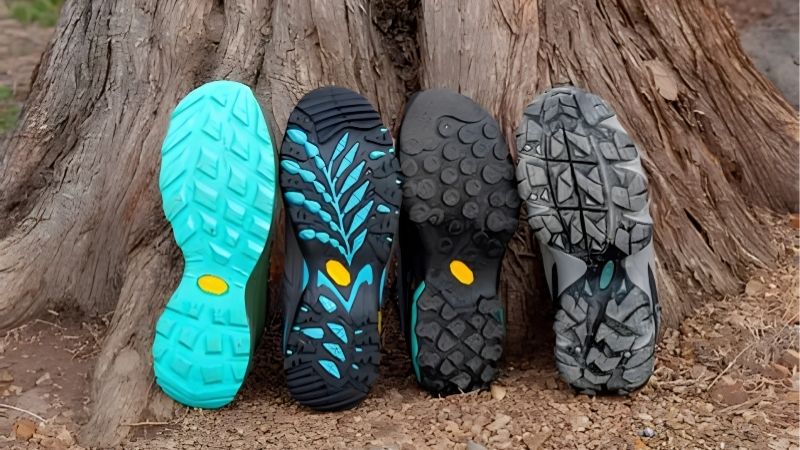
Compound is the heart of traction. Softer, stickier rubber like Vibram Megagrip grips wet rock and roots best, while firmer compounds last longer but grip less. Every outsole balances stickiness against durability, and the right point depends on your trails.
Consider your priorities. Technical, wet terrain rewards a sticky compound you replace more often, while high-mileage hikers on dry ground may prefer firmer rubber that lasts. The grippiest outsole is not always the most economical one. If you replace boots every season anyway, a sticky compound costs you nothing extra; if you hope to get several years from a pair, firmer rubber pays off.
Lug Design and Self-Cleaning
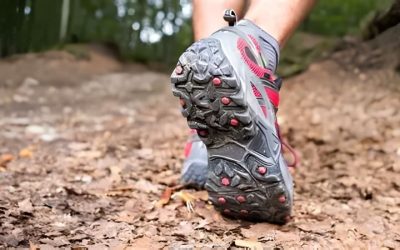
Lug depth and spacing shape grip on soft ground. Deep, widely spaced lugs bite into mud and shed it as you walk, while shallower, denser patterns grip hardpack and rock. A self-cleaning design keeps traction working in sloppy conditions.
Pattern matters as much as depth. Multi-directional lugs grip on climbs and descents alike, while a poor pattern packs with mud and slips. Match the lug design to whether you hike soft, wet trails or dry, rocky ones.
Durability vs. Grip
The core trade-off in any boot traction comparison is grip against longevity. Sticky compounds wear faster, so a boot that grips brilliantly may need resoling or replacing sooner, while a durable outsole trades ultimate traction for many extra miles.
Weigh how you hike. If you log big mileage on dry trails, durability saves money; if you tackle wet, technical terrain, grip keeps you safe. The best outsole is the one that fits your terrain and how often you replace boots. Resoleable boots change this math, since a fresh outsole restores full grip without buying a whole new pair.
Top Picks: Outsole Systems Compared
The heart of this boot traction comparison is the shortlist below, each boot representing a leading outsole system. The table gives a fast overview; the write-ups explain who each system suits and the honest compromise behind it.
| Boot | Outsole | Strength | Best For |
|---|---|---|---|
| Hoka Speedgoat 7 | Vibram Megagrip | Wet-rock grip | Technical, wet trails |
| Salomon Quest 5 GTX | Contagrip | Stable, all-round | Backpacking |
| Merrell Moab 3 | Vibram TC5+ | Value traction | Everyday hiking |
| Keen Targhee IV | KEEN All-Terrain | Durable, affordable | Mixed terrain |
| Scarpa Zodiac Plus | Vibram Drumlin | Stiff edging grip | Technical, rocky |
| La Sportiva Nucleo High II | Vibram Nano | Precise rock grip | Scrambling |
Hoka Speedgoat 7: Vibram Megagrip
Vibram Megagrip is the wet-traction leader, and the Speedgoat shows it off with deep, aggressive lugs that bite on slick rock, roots, and mud. Its sticky compound delivers the most confident grip on technical, wet terrain of any system here.
That stickiness wears faster than firmer compounds, so the outsole trades longevity for grip. For hikers who prioritize wet-terrain traction and do not mind replacing shoes sooner, though, Megagrip is the benchmark to beat.
Salomon Quest 5 GTX: Contagrip
Salomon’s Contagrip is the stable all-rounder, pairing a multi-directional lug pattern with a firm, supportive platform. On the Quest 5, it grips confidently under a loaded pack on rough, off-camber terrain while lasting well over many backpacking miles.
It is not quite as sticky on wet rock as Megagrip, and the boot runs firm. But for backpackers who want dependable, durable traction under weight rather than maximum stickiness, Contagrip strikes an excellent balance.
Merrell Moab 3: Vibram TC5+
Vibram TC5+ is the value traction system, and on the Moab 3 it grips mixed terrain reliably at a friendly price. Moderate lugs and a durable compound deliver dependable footing for everyday trails without the premium cost of stickier outsoles.
Its lugs are less aggressive than technical systems, so it grips less on the steepest wet rock. But for casual and everyday hiking on moderate terrain, TC5+ offers the best traction-per-dollar in this comparison.
Keen Targhee IV: KEEN All-Terrain
KEEN’s proprietary All-Terrain rubber is the durable, affordable pick, gripping well across surfaces while keeping costs down as an in-house compound. On the Targhee IV, it delivers dependable, long-wearing traction that suits a wide range of mixed terrain.
It is not as sticky on wet rock as premium Vibram compounds. But for hikers who want solid, durable grip at a value price, KEEN’s outsole holds its own against pricier systems in everyday conditions.
Scarpa Zodiac Plus: Vibram Drumlin
Vibram Drumlin is the stiff-edging specialist, and on the Zodiac Plus it pairs a rigid platform with grippy rubber for precise footing on rock and scree. It excels at edging on narrow ledges and holding a heavy pack on technical terrain.
The stiff outsole feels less forgiving on easy trails and adds weight. But for seasoned hikers tackling rocky, technical ground with a load, Drumlin’s stable, precise grip is exactly what the terrain demands.
La Sportiva Nucleo High II: Vibram Nano
Vibram Nano is the precise rock-grip system, and on the Nucleo High II it grips smooth granite and wet limestone with climbing-shoe confidence. Its sticky, technical compound suits scrambling and exposed rock where sure foot placement is everything.
The narrow, technical fit runs small, and the sticky rubber favors grip over longevity. But for hikers who push into scrambling terrain and need precision on rock, Nano is among the grippiest systems in this boot traction comparison.
What Tariffs and Timing Mean for Boot Buyers in 2026
Beyond grip, this boot traction comparison has a budget angle for 2026, since boots are heavily imported and priced against trade policy and the calendar. Reading the market helps you buy grippy boots for less.
Import Tariffs and Footwear Prices
Most hiking boots are made overseas, and 2026 tariff policy remains unsettled after shifting court rulings and new investigations. Footwear prices sit in the storm as a result, and many brands admit future pricing is only a best guess.
That uncertainty argues for buying a grippy boot you want when it is in stock at a fair price, rather than waiting for a dip that may not come. With imported footwear, locking in a good deal today is wise.
A Split Market and Closeout Deals
The 2026 market is bifurcated: premium brands raise prices, while mid-tier makers pass costs straight to buyers. That squeezes value shoppers, but it also opens deals in the gap between the tiers for patient hikers.
Retailers are clearing pre-tariff inventory through late 2026, so last season’s colorways appear at real markdowns. A previous-year boot grips identically to this year’s model, making those closeouts the most dependable way to save.
Seasonal Timing
Timing rewards planning. Late August into September brings back-to-school stock and pre-sale pricing, with full size runs before popular sizes vanish. Amazon’s fall Prime event, expected in early October, is a strong window to buy boots at a discount.
For the deepest cuts, Black Friday and Cyber Monday in late November lead the year. Buy early in a sale, since boot sizes sell out fast once discounts go live and popular models disappear before the event ends.
Frequently Asked Questions
A few questions come up constantly whenever hikers read a boot traction comparison. Here are quick, practical answers to help you choose the right outsole.
Which outsole is best overall?
Vibram Megagrip leads for wet grip, but best overall depends on your terrain. Contagrip balances grip and durability for backpacking, while proprietary compounds offer value. Match the outsole to whether you prioritize sticky traction or long-lasting rubber.
Is Vibram always better than proprietary rubber?
Not always. Vibram compounds often grip best on wet rock, but proprietary outsoles like KEEN All-Terrain and Contagrip perform well and can cost less. The system matters less than matching compound and lugs to your terrain.
Do stickier outsoles wear out faster?
Generally yes. Softer, grippier compounds trade durability for traction, so they may need replacing sooner. High-mileage hikers on dry trails often prefer firmer rubber, while wet-terrain hikers accept faster wear for better grip.
Can I resole a boot with a worn outsole?
Some boots, like the Lowa Renegade, are built to be resoled, extending their life significantly. Many lighter boots and shoes are not, so if durability matters, choose a resoleable model with a replaceable outsole.
See More:
Final Thoughts
The takeaway from this boot traction comparison is that the best outsole matches your terrain: Vibram Megagrip and Nano for wet rock and scrambling, Contagrip for stable backpacking, and value compounds for everyday miles. Weigh grip against durability, and buy when stock and pricing align, since tariff uncertainty on imported footwear makes waiting a gamble in 2026.