Key takeaways
How to waterproof hiking boots comes down to matching the right product to your upper and applying it correctly. This guide walks through the steps by material, then compares six of the best waterproofing products for 2026 so your leather, membrane, or synthetic boots keep your feet dry on every wet trail this season.
As an Amazon Associate we earn from qualifying purchases.
Our top picks
 NORTIV 8 Men's Ankle High Waterproof Hiking
- this uses AUI list/listitem elements in desktop
- Sole material EVA,Rubber Shaft height Ankle Shaft circumference…
- this is where AUI list/listitem elements in desktop…
 SHULOOK Men's Waterproof Hiking Boots Non-Slip Lightweight
- this uses AUI list/listitem elements in desktop
- Fabric type Synthetic suede and fabric Origin Imported…
- this is where AUI list/listitem elements in desktop…


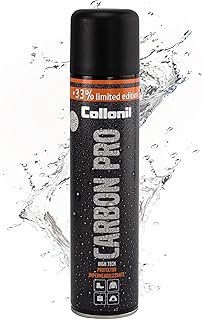


As an Amazon Associate we earn from qualifying purchases at no extra cost to you. Ratings are shown as listed on Amazon.
By Jake Thompson
How to Waterproof Hiking Boots Step by Step
Knowing how to waterproof hiking boots is less about effort and more about method. The process is the same for every boot: clean, choose the right product for your upper, apply evenly, and dry fully. The steps below make it foolproof.
Clean and Prep First
Waterproofing only bonds to a clean surface, so start by removing laces and insoles and brushing off dirt. Use a technical footwear cleaner rather than soap, which strips coatings, and rinse to dampen the surface for treatments that apply wet.
Pay special attention to seams and the area around hardware, where leather is punctured and water sneaks in. A clean, damp boot lets the waterproofing absorb evenly, which is why skipping this step is the most common reproofing mistake.
Match the Product to the Material
The right product depends on your upper. Full-grain leather takes a wax or cream, membrane boots like GORE-TEX and KEEN.DRY need a water-based DWR spray, and suede or nubuck needs a material-safe spray that will not darken the nap.
The critical rule is never to wax a membrane boot, since heavy wax clogs the breathable liner and traps sweat. Fabric and synthetic uppers take a DWR spray too, so identify your material before buying any treatment.
Apply Evenly and Dry Fully
Apply the treatment across the whole boot, working extra into seams and stitching. Sprays go on in even passes, while waxes are rubbed in by hand in thin layers, warming the leather first so it absorbs. Wipe off any excess.
Then dry boots slowly at room temperature, never near direct heat, ideally for 24 hours before use. Waxes need several thin coats with drying time between each, so patience during this stage delivers far better water resistance.
Test the Water Bead
The finish line is the bead test. Hold the boot under a faucet or splash water on it and watch: fresh waterproofing makes water bead and roll off, while a boot that needs another coat lets water darken and soak into the surface.
Retest after the first wear, since a light second coat often improves durability. This simple check also tells you, weeks later, exactly when your waterproofing has worn off and it is time to reproof again.
Top Picks: The Best Waterproofing Products
Now that you know how to waterproof hiking boots, these are our favorite products for 2026, matched to different upper materials. The table gives a fast overview; the write-ups explain who each product suits and its honest limitation.
| Product | Type | Best For |
|---|---|---|
| Nikwax Fabric & Leather Proof | Water-based spray-on | Combo and synthetic |
| Nikwax Nubuck & Suede Proof | Material-safe spray | Nubuck and suede |
| Nikwax Waterproofing Wax | Leather wax | Full-grain leather |
| Obenauf’s Heavy Duty LP | Oil-and-wax cream | Rugged leather |
| Gear Aid Revivex | DWR spray | Membrane boots |
| Nikwax Footwear Cleaning Gel | Cleaner (prep) | Pre-treatment |
Nikwax Fabric & Leather Proof
The most versatile pick, this water-based treatment suits combination, fabric, and synthetic boots, including GORE-TEX membranes it will not clog. Applied to clean, damp boots, it restores repellency while letting membrane footwear breathe, making it the default for most modern boots.
It is not a wax, so full-grain leather may want a heavier treatment, and it needs periodic reapplication. But for the mixed-material boots most hikers own, it is the simplest, safest answer to how to waterproof hiking boots.
Nikwax Nubuck & Suede Proof
The specialist for napped leather, this spray waterproofs nubuck and suede without darkening or flattening the delicate surface the way heavy waxes do. It preserves the boot’s look and breathability while adding reliable water repellency to porous uppers.
It is formulated specifically for nubuck and suede, so it is not the pick for full-grain or synthetic boots. But for the many hikers whose boots use napped leather, it protects them without ruining their finish.
Nikwax Waterproofing Wax for Leather
The full-grain leather choice, this wax builds deep water resistance in thin, hand-rubbed layers. Warming the leather helps it absorb, and two to five coats create a beading barrier that also nourishes the leather and refreshes its appearance.
It darkens leather and must never touch a membrane boot, and applying multiple coats takes time and patience. But for classic full-grain leather boots, it delivers the most durable, long-lasting waterproofing available.
Obenauf’s Heavy Duty LP
The rugged-leather favorite, Obenauf’s blends natural oils and beeswax to waterproof and preserve hard-used leather boots. It penetrates deeply, softening stiff uppers while building serious water resistance, which is why it is beloved for work and backcountry leather boots.
It darkens leather noticeably and suits only leather uppers, not membrane or synthetic boots. But for hikers who want maximum protection and conditioning for tough leather boots in one product, it is hard to beat.
Gear Aid Revivex
The membrane-boot spray, Revivex restores DWR on GORE-TEX and other membrane footwear without clogging the liner. A quick, even application refreshes repellency so the outer fabric sheds water and the membrane can breathe, keeping feet dry on wet trails.
As a spray-on DWR it needs reapplication more often than a wax, and coverage must be even. But for the many hikers in waterproof-membrane boots, it is exactly the right tool where wax would do harm.
Nikwax Footwear Cleaning Gel
The essential prep step, this cleaning gel lifts dirt so waterproofing can bond properly. Skipping it leaves grime that blocks treatment absorption, so this gel is the reason your reproofing actually works, making it a must-have alongside any waterproofer.
It only cleans and does not waterproof on its own, so it is step one, not the whole job. But no waterproofing product performs well on a dirty boot, which makes this the foundation of the process.
What Tariffs and Timing Mean for Buyers in 2026
Even once you know how to waterproof hiking boots, 2026 pricing is shaped by trade policy and the calendar, since care products and boots are largely imported. Reading the market helps you buy waterproofing essentials for less.
Import Tariffs and Prices
Most footwear and many treatments are made overseas, and 2026 tariff policy remains unsettled after shifting court rulings and new investigations. Prices sit in the storm as a result, and many brands admit future pricing is only a best guess.
Because waterproofing products are cheap and long-lasting, stocking up now is low-risk. Reproofing the boots you already own is also the surest way to avoid replacing them at uncertain prices later.
Bundle and Closeout Deals
Care products are where bundle savings shine. Retailers clearing pre-tariff inventory through late 2026 discount cleaning-and-proofing kits, and buying a cleaner and waterproofer together usually costs less than separate purchases.
Watch value-tier deals, since mid-range brands pass costs straight through. A previous-year product performs identically to this year’s, so the markdown is pure savings that keeps your feet dry for less.
Seasonal Timing
Timing helps too. Late summer and early fall are ideal for restocking waterproofing before the wet season, while Amazon’s fall Prime event, expected in early October, brings discounts ahead of winter’s rain and snow.
For the deepest cuts, Black Friday and Cyber Monday in late November lead the year. Buy your cleaner and waterproofer together during a sale so your boots are ready before the wet weather arrives.
Frequently Asked Questions
A few questions come up again and again when hikers learn how to waterproof hiking boots. Here are quick, practical answers to help you keep your feet dry.
How often should I waterproof my boots?
When water stops beading and starts soaking in. That varies with mileage and conditions, but a quick water-bead test every few trips tells you exactly when a fresh coat of waterproofing is due.
Can I use wax on GORE-TEX boots?
No. Wax clogs the breathable membrane, trapping sweat and ruining performance. Membrane boots need a water-based DWR spray instead. Always match the treatment to your upper, using wax only on full-grain leather boots.
Should boots be wet or dry when I waterproof them?
It depends on the product. Many spray-on treatments apply best to clean, damp boots for even absorption, while waxes go on dry, warmed leather. Always read the label, since application conditions vary by product.
Will waterproofing make my boots hot?
Not if you use the right product. A proper DWR spray on membrane boots actually helps them breathe by keeping the outer fabric from wetting out. Only waxing a membrane boot, which you should avoid, traps heat.
See More:
Final Thoughts
The key to how to waterproof hiking boots is matching the product to your upper: wax for full-grain leather, DWR spray for membranes, and a material-safe spray for nubuck. Clean first, apply evenly, dry fully, and test the bead. Reproof when water stops beading, and buy products when stock and pricing align, since tariff uncertainty on imported goods makes waiting a gamble in 2026.