
Rooftop tent review shopping turns your vehicle into a fast, comfortable basecamp off the ground. This review compares six top hardshell and softshell tents by setup speed, weight, space and price so you can pick the right one for your rig and budget.
As an Amazon Associate we earn from qualifying purchases.
Our top picks


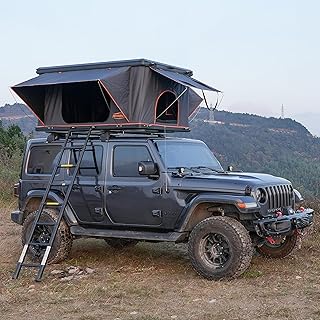


As an Amazon Associate we earn from qualifying purchases at no extra cost to you.
By Jake Thompson
How to Read This Rooftop Tent Review
This rooftop tent review sorts tents by the decisions that matter: hardshell versus softshell, weight against your vehicle’s roof rating, space, setup speed and price. Getting the roof-load math right first, then matching the style to your camping, is what leads to a tent your rig can actually carry.
Check Your Vehicle’s Roof Load
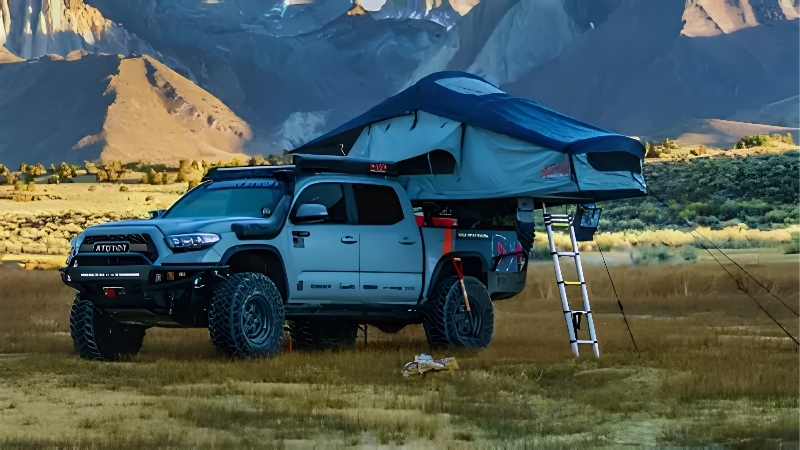
Before anything else, confirm your vehicle can carry the tent. Two numbers matter: the dynamic roof load, how much your roof holds while driving, and the static load while parked. SUVs often handle around 165 pounds dynamic, trucks more, and folded tents run roughly 100 to 220 pounds.
You also need a roof rack rated for the tent’s static and dynamic loads, which adds cost. Match the tent’s folded weight to your roof’s dynamic rating, since exceeding it is unsafe. This step decides which tents are even options, so start here before comparing features or styles.
Decide Hardshell or Softshell
The core style choice is hardshell versus softshell. Hardshells pop up in a minute, are more aerodynamic and durable, and often add cargo capacity on top, but cost more and offer less floor space. Softshells fold out for more room and an annex, cost less, but set up slower and catch more wind.
Match the style to your use. Frequent overlanders who value fast setup and highway aerodynamics lean hardshell, while campers who want maximum space and value for occasional trips choose softshell. Hybrids split the difference. Decide which matters more, speed and durability or space and price.
Weigh Space and Insulation
Space and insulation set comfort. Larger softshells and fold-outs sleep three or four with room to spread, while compact hardshells suit two. Premium tents use insulated shells and heavier fabrics for four-season comfort, while moderate-priced tents use lighter, uninsulated materials better for fair weather.
Match space and insulation to your group and season. Couples do well with a compact hardshell, families want a roomy fold-out, and cold-weather campers need an insulated premium tent. Deciding your capacity and the seasons you camp guides how much to spend on space and weather protection.
Factor In Setup and Price
Setup speed and price round out the choice. Hardshells deploy in under a minute with gas struts, softshells take several minutes to unfold and stake an annex. Prices span budget softshells to premium hybrids, and a rated roof rack adds to the total, so budget the whole system, not just the tent.
Match setup and spend to how often you camp. Frequent campers value fast hardshell setup and pay for it, while occasional users accept slower softshell setup for a lower price. Remember the rack cost and your vehicle’s limits when comparing, so the complete package fits your budget and rig.
Top Picks in This Rooftop Tent Review
These six span budget softshells to premium hardshells. This rooftop tent review highlights each in the table, then breaks down who it suits and its honest drawbacks.
| Tent | Style | Sleeps | Best For | Price Tier |
|---|---|---|---|---|
| iKamper Skycamp 3.0 Mini | Hardshell hybrid | 2 | Best overall | Premium |
| Roofnest Falcon 3 EVO | Hardshell clamshell | 2 | Low-profile hardshell | Premium |
| Thule Approach M | Softshell | 2-3 | Softshell comfort | Premium |
| Thule Tepui Kukenam 3 | Softshell | 3 | Mid-range value | Mid |
| Smittybilt GEN2 Overlander | Softshell | 2-3 | Budget | Budget |
| Roofnest Condor XL | Softshell fold-out | 4 | Space | Premium |
iKamper Skycamp 3.0 Mini — Best Overall
The Skycamp 3.0 Mini is the review’s top pick. This roughly 125-pound hybrid hardshell pops up in about a minute, fits nearly any vehicle down to small cars, and uses an insulated shell that handles four-season camping, folding low for the highway. For most overlanders, it is the do-everything choice.
It is premium-priced and, as a compact hardshell, sleeps two rather than a family. For couples and solo campers who want fast setup, four-season comfort and broad vehicle compatibility in one well-built tent, though, it reviews as the best overall, and the full-size Skycamp sleeps more for larger rigs.
Roofnest Falcon 3 EVO — Best Low-Profile Hardshell
The Falcon 3 EVO is the aerodynamic hardshell pick. Its low-profile clamshell opens in seconds, a U-bar design expands interior space without a bigger packed size, and its shell improves aerodynamics for quieter, more efficient highway driving. For overlanders who prioritize a sleek, fast hardshell, it excels.
It is premium-priced and its closure shackles can be finicky to latch. For frequent drivers who want the lowest-profile, most aerodynamic hardshell that deploys in seconds and preserves fuel economy, though, it reviews as a standout, and its wedge shape suits rigs where roof height and drag matter.
Thule Approach M — Best Softshell Comfort
The Approach M is the comfortable softshell pick. This two-to-three-person tent pairs a great mattress with a bombproof rainfly, delivering excellent sleeping comfort and weather protection at a softshell price below premium hardshells. For campers who value a good night’s sleep, it reviews very well.
As a softshell it sets up slower than hardshells and catches more wind folded out. For campers who prioritize mattress comfort and reliable weather protection over the fastest setup, though, it is a top softshell, and its build quality and rainfly make it a dependable, comfortable basecamp.
Thule Tepui Kukenam 3 — Best Mid-Range Value
The Tepui Kukenam 3 is the value-balanced pick. This three-person softshell uses durable 600-denier ripstop fabric and a high static load rating at a mid-range price, balancing quality and cost. For campers who want a proven, roomy softshell without premium spend, it reviews as a smart middle path.
It sets up slower than a hardshell and lacks the insulation of premium tents. For families and groups who want a durable, spacious three-person softshell at a fair price from a trusted brand, though, it hits the sweet spot of quality and value that makes it an easy mid-range recommendation.
Smittybilt GEN2 Overlander — Best Budget
The GEN2 Overlander is the budget standout. Sleeping two to three, it includes a 360-degree rainfly, an LED light strip and a boot bag that rivals charge extra for, all at a price well below other rooftop tents. For first-time buyers and budget overlanders, it reviews as the best value entry.
Its initial assembly takes real time and its materials trail premium tents. For campers who want an affordable, well-equipped softshell to try rooftop camping without a big investment, though, its bundled features and low price make it the easiest way into a rooftop tent under a modest budget.
Roofnest Condor XL — Best for Space
The Condor XL is the roomy fold-out pick. This large softshell sleeps four with a generous fold-out floor, giving families the most usable space in this review and room to spread out at camp. For groups who prioritize interior space over the fastest setup, it reviews as the most spacious choice.
Its fold-out design takes longer to set up and stow than a hardshell and catches more wind. For families and groups who want maximum sleeping space and a comfortable floor for occasional trips, though, its generous size makes it a strong pick when room matters more than speed or aerodynamics.
What Rooftop Tents Cost in 2026
Rooftop tents are premium gear, often thousands of dollars, so pricing deserves a look. A couple of current market forces affect what these cost and when to buy, without changing which fits your rig.
Tariffs Pressure Materials
Rooftop tents use imported fabrics, aluminum and composite shells under tariffs that remain in place. Brands have described future pricing as a moving target, so committing to a tent you want, rather than waiting indefinitely, is a reasonable call given how much prices could shift.
The effect is uneven. Premium hardshells have largely held pricing, while budget and mid-range softshells see more discounting. Value buyers should watch the Smittybilt and mainstream softshells for sales, and factor a rated roof rack, which adds to any rooftop tent purchase, into the budget.
Budget the Whole System
A rooftop tent needs a roof rack rated for its loads, which adds meaningfully to the cost, so budget the complete system, not just the tent. Fall sale events like Prime Big Deal Days in early October and Black Friday in late November discount many tents, though folded tents ship as freight.
Renting a rooftop tent for a weekend before buying can confirm the style suits you, saving a costly mistake. Time the purchase to fall sales where possible, but budget the rack and installation alongside the tent so the full setup fits your finances before you commit.
Match the Tent to Your Rig and Use
The best value is the tent that fits your vehicle’s roof rating and your camping. Overbuying a heavy premium hardshell for a light SUV, or a slow softshell for frequent quick trips, wastes money and can be unsafe. Match weight, style and space to your rig, group and how often you camp.
If a specific tent is prone to selling out, buy early rather than gambling on stock. Missing the right tent before a season means settling, so confirm your roof load, decide hardshell or softshell, and pick the tent and rack that suit your vehicle and trips as a complete package.
Frequently Asked Questions
These are the questions campers ask most about rooftop tents.
What does this rooftop tent review recommend overall?
The iKamper Skycamp 3.0 Mini for most people. This rooftop tent review rates it best overall because it pops up in about a minute, fits nearly any vehicle, and handles four seasons with an insulated shell. Budget campers are better served by the Smittybilt GEN2 Overlander softshell.
Hardshell or softshell rooftop tent?
Hardshell for fast setup, aerodynamics and durability at a higher price and less floor space; softshell for more room, an annex and lower cost but slower setup. Frequent overlanders lean hardshell, while space-focused and budget campers choose softshell. Match the style to your priorities.
Will a rooftop tent fit my vehicle?
Almost any vehicle with a roof rack can carry one, but check your roof’s dynamic load rating, often around 165 pounds for SUVs, against the tent’s folded weight, and use a rack rated for the loads. Lighter tents suit smaller vehicles, while trucks and larger SUVs handle heavier models.
Are rooftop tents worth the price?
For frequent overlanders and campers who value getting off the ground with fast setup, often yes, since they turn a vehicle into a comfortable basecamp for years. For occasional campers, a ground tent costs far less. Renting one first helps decide whether the convenience justifies the investment.
See More:
- Best hiking backpack
- Best backpacking backpack
- Ultralight hiking backpack
- Best hydration backpack
- Best hiking backpack for women
Final Thoughts
This rooftop tent review comes down to matching a tent to your roof rating and camping style. The iKamper Skycamp 3.0 Mini leads overall, the Roofnest Falcon 3 EVO wins on low-profile speed, and the Smittybilt GEN2 Overlander covers budgets. Confirm your roof load, choose hardshell or softshell, budget the rack, and your rig becomes a comfortable basecamp.


Write Your Review
No reviews yet. Be the first to share your experience!