
Emergency shelter guide planning could save your life: a few ounces of survival gear turns a cold, wet night from a crisis into an inconvenience. This guide explains how to stay warm and dry when things go wrong and names six shelters to pack.
As an Amazon Associate we earn from qualifying purchases.
Our top picks



As an Amazon Associate we earn from qualifying purchases at no extra cost to you.
By Jake Thompson
How to Use This Emergency Shelter Guide
The core of any emergency shelter guide is understanding that these are last-resort tools: light, compact gear you hope never to use but must have when a hike goes wrong. Knowing the types, how to block wind, and how to insulate from the ground is what makes them actually keep you alive.
Know the Emergency Shelter Types
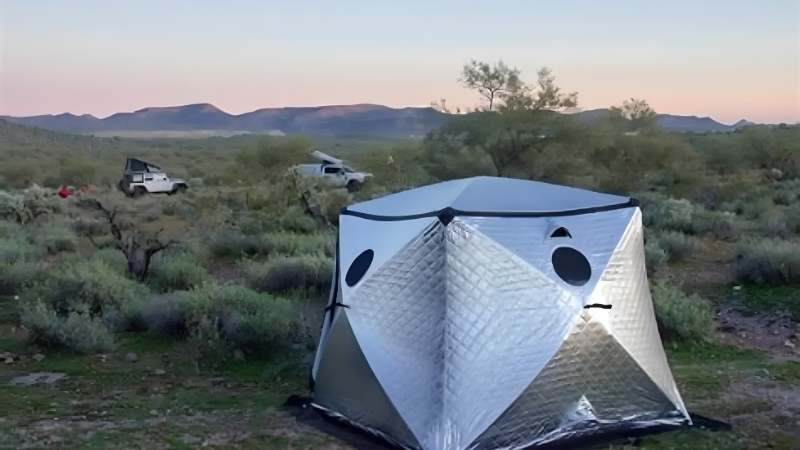
Emergency shelters fall into a few types. Heat-reflective bivvies are sealed sacks that trap body heat, blankets double as tarps or wraps, ponchos add wearable protection, and tube tents shelter two. Each trades weight, warmth and reusability, so match the type to your trips and kit.
Reflective mylar gear reflects up to 90 percent of your body heat and blocks wind cheaply, but tears easily and suits single emergencies. Breathable fabric bivvies cost more and weigh a bit more but are reusable and manage condensation. Decide whether you want cheap insurance or reusable gear.
Block the Wind First
The biggest gain from an emergency shelter is windproofing. A sealed sack or a wrapped blanket stops wind from stripping the warm air off your body, which is where most heat is lost outdoors. Even a thin mylar layer, by blocking wind, adds meaningful warmth in an exposed situation.
Prioritize getting out of the wind, using terrain, trees or a low pitch alongside your shelter. A reflective bivvy or blocked blanket then holds the warmth in. In a survival scenario, cutting the wind is often more important than raw insulation, so shelter design and placement both matter.
Insulate From the Ground
A critical, often-missed rule: insulate yourself from the ground. Cold surfaces suck heat out of you through conduction far faster than air, so sitting or lying directly on the ground in a reflective bivvy still leaves you cold. Put a pad, pack, leaves or a blanket layer beneath you.
Even a foam sit-pad, spare clothing or a pile of debris under your torso dramatically improves an emergency shelter’s warmth. Reflective gear handles radiated and wind-driven heat loss, but only ground insulation stops conduction. Always build a barrier between your body and the cold surface below.
Manage Condensation and Pair With Fire
Sealed reflective shelters trap moisture, so vent them periodically to avoid getting damp inside, which chills you. Breathable fabric bivvies manage this better. Whenever safe, pair your shelter with a fire for warmth and morale, keeping flammable mylar well clear of the flames.
Balance sealing in heat against venting out moisture, cracking the shelter to release breath and sweat. A fire outside your shelter multiplies its effectiveness, and signaling gear like a whistle helps rescuers find you. An emergency shelter works best as part of a small, thought-out survival kit.
Top Picks From This Emergency Shelter Guide
These six span featherweight single-use bivvies to reusable shelters and a two-person tent. This emergency shelter guide highlights each in the table, then breaks down who it suits and its honest drawbacks.
| Product | Type | Weight | Best For | Approx. Price |
|---|---|---|---|---|
| SOL Escape Bivvy | Breathable bivvy | ~8.5 oz | Reusable warmth | Mid |
| SOL Emergency Bivvy | Mylar bivvy | ~3.8 oz | Ultralight insurance | Budget |
| SOL Heatsheets Blanket | Reflective blanket | ~2.8 oz | Versatile blanket | Budget |
| Go Time Gear Life Tent | Tube tent | ~8.7 oz | Two-person shelter | Budget |
| Life Bivy Thermal Bivvy | Mylar bivvy | ~4.7 oz | Budget with signaling | Budget |
| Outdoor Research Helium Bivy | Fabric bivy | ~17 oz | Step-up real bivy | Premium |
SOL Escape Bivvy — Best Reusable Warmth
The Escape Bivvy is the emergency shelter you can actually reuse. Made of breathable spunbonded fabric, it reflects around 70 percent of body heat, has a full hood, drawcord and side zip, and creates far less condensation than mylar. Paired with a sleeping bag it works as a genuine cold-weather system.
It costs more and weighs more than mylar sacks, and its arms are restricted inside, especially with a bag. For campers who tarp or cowboy-camp and want a reusable, breathable bivvy that performs trip after trip rather than once, though, it is the best of the bunch and a true shelter, not just insurance.
SOL Emergency Bivvy — Best Ultralight Insurance
The Emergency Bivvy is the highest warmth-per-ounce insurance you can carry. At just under four ounces and a low price, this vacuum-metalized sack reflects up to 90 percent of your body heat and, as a sealed bag, blocks wind that would strip warmth away. For a pack-and-forget safety net, it leads.
The thin polyethylene punctures and tears with rough handling, so treat it as single-emergency gear, and it is not breathable, needing venting. For hikers who want the lightest, cheapest life-saving shelter to stash in every pack, though, nothing matches its warmth-per-dollar and warmth-per-ounce.
SOL Heatsheets Blanket — Best Versatile Blanket
The Heatsheets Blanket is the durable, do-many-things reflective sheet. Far tougher than cheap cellophane space blankets, it reflects body heat as a wrap, rigs into a hasty tarp or lean-to with cord, and works as a groundsheet, all at a very low price and weight. For versatility, it is the classic pick.
As a flat sheet it blocks less wind than a sealed bivvy and needs cord and anchors to pitch. For hikers who want an affordable, reusable reflective layer that can insulate, shelter or ground-proof depending on the situation, though, it is a versatile survival staple that earns its tiny space in the pack.
Go Time Gear Life Tent — Best Two-Person Shelter
The Life Tent is the emergency shelter for two. This bright orange mylar tube tent strings over a paracord ridgeline between two trees, sheltering two people from rain and wind, and it includes cord and a whistle for signaling. For families or pairs who want a shared emergency shelter, it is ideal.
Its mylar construction is best for emergencies rather than repeated use, and it needs two anchors and a line to pitch. For hikers who want a compact, affordable shelter that covers two people and doubles as a high-visibility signal, though, it is a smart addition to a shared survival kit.
Life Bivy Thermal Bivvy — Best Budget With Signaling
The Life Bivy is the value emergency bivvy with extras. This mylar thermal sack reflects body heat and blocks wind at a low price, and it ships with a stuff sack, whistle and paracord for signaling and rigging. For budget-minded hikers who want a bivvy plus basic survival tools, it delivers.
Like all mylar bivvies it is best treated as emergency gear rather than a reusable shelter, and it is not breathable. For hikers who want an affordable, sealed warmth layer bundled with signaling cord and a whistle, though, it is a practical, inexpensive addition to any pack or vehicle kit.
Outdoor Research Helium Bivy — Best Step-Up Real Bivy
The Helium Bivy is the step up to a genuine, reusable shelter. A fully waterproof, breathable fabric bivy with real headroom and a bug screen, it works as a minimalist backpacking shelter for years, not just an emergency. For hikers who want a bivy they will actually camp in, it is the premium choice.
At around a pound and a premium price, it is heavier and far pricier than emergency mylar gear. For ounce-conscious minimalists who want a durable, weatherproof bivy as a real shelter rather than last-resort insurance, though, it is a superb, long-lasting piece that blurs the line between survival and ultralight camping.
What Emergency Shelters Cost in 2026
Emergency shelters span a few dollars to premium, so timing matters little, but a couple of current market forces are worth noting. None change the fundamentals in this guide.
Tariffs Add Modest Cost
Mylar, fabrics and cord use imported materials under tariffs that remain in place, adding modest cost. Brands have described future pricing as a moving target, but most emergency shelters are inexpensive, so buying the safety gear you need now rather than waiting is a sensible, cheap insurance policy.
The effect is small on cheap survival items. Value buyers can find multi-packs of blankets and bivvies at a saving, but there is little reason to delay a few dollars of life-saving gear. Reusable fabric bivvies cost more, so watch for sales if buying the step-up options.
Stash Shelters in Every Kit
The best practice is keeping an emergency shelter in every pack, vehicle and bug-out bag, so you are never caught out. At a few ounces and a few dollars, a mylar bivvy or blanket is cheap insurance worth having everywhere. Fall sales occasionally discount survival gear, but availability matters more.
Buy quality where it counts, a reusable Escape Bivvy for regular backcountry use, and cheap mylar for grab-and-go kits. Stocking shelters across your gear means one is always within reach when a day hike or drive turns into an unplanned night out, which is exactly when they save lives.
Do Not Skimp on Safety
Emergency shelter is life-safety gear, so buy reliable options rather than the absolute cheapest no-name sack. A quality bivvy or blanket that actually holds up when deployed is worth a few extra dollars, since it matters most exactly when everything else has gone wrong on a trip.
If a specific shelter is prone to selling out before a trip or season, buy it early rather than gambling on stock. Missing an emergency shelter when a hike goes sideways can be fatal, so stock your kits ahead and pair the shelter with signaling and fire tools for a complete safety net.
Frequently Asked Questions
These are the questions hikers ask most about emergency shelters.
What should an emergency shelter guide have me carry?
At minimum, a reflective bivvy or blanket in every pack. A good emergency shelter guide recommends matching the type to your trips: cheap mylar for grab-and-go insurance, a reusable fabric bivvy for regular backcountry use, and a tube tent for two. Pair it with ground insulation and signaling.
Do emergency blankets actually work?
Yes, mainly by blocking wind and reflecting body heat. A quality reflective blanket or bivvy reflects up to 90 percent of radiated heat and stops wind from stripping warmth away, which is the biggest field gain. They work best sealed around you and paired with insulation from the ground.
Why do I need to insulate from the ground?
Because cold ground steals heat through conduction faster than air. Lying directly on the ground in a reflective bivvy still leaves you cold, since the sack does not stop conduction. A pad, pack, clothing or debris under your torso is essential to make any emergency shelter actually keep you warm.
Are mylar bivvies reusable?
Mostly not. Thin mylar bivvies puncture and tear with handling, so treat them as single-emergency insurance. For reusable performance, step up to a breathable fabric bivvy like the SOL Escape, which works trip after trip and manages condensation, or a full fabric bivy for regular camping.
See More:
- Best hiking backpack
- Best backpacking backpack
- Ultralight hiking backpack
- Best hydration backpack
- Best hiking backpack for women
Final Thoughts
An emergency shelter guide comes down to carrying light, reliable gear and knowing how to use it: block the wind, insulate from the ground, and vent condensation. The SOL Escape Bivvy leads for reusable warmth, the Emergency Bivvy for ultralight insurance, and the Life Tent shelters two. Stash one in every kit, and a night gone wrong stays survivable.


Write Your Review
No reviews yet. Be the first to share your experience!