
Key takeaways
The best cold weather sleeping bag matches its temperature rating, fill, and warmth features to the frigid nights you actually face, so winter camping feels cozy rather than survival. This guide compares six tested 2026 bags across temperature rating, down or synthetic fill, weight, and heat-trapping features, so you can match a bag to backcountry expeditions or car-camping trips rather than guessing at ratings.
As an Amazon Associate we earn from qualifying purchases.
🛒 Best Price Today on Amazon
Prime members get fast, free shipping on everything above, plus member-only deals. New members get a 30-day free trial — cancel anytime.
Start 30-Day Prime Free Trial →See Today’s Amazon DealsHow to Choose the Best Cold Weather Sleeping Bag
The best cold weather sleeping bag matches its rating and insulation to your climate, weight budget, and how you camp. Before comparing models, weigh four levers: temperature rating, down versus synthetic fill, weight and packability, and warmth features. Get these right and cold ground and frigid air stop stealing your sleep.
Temperature Rating
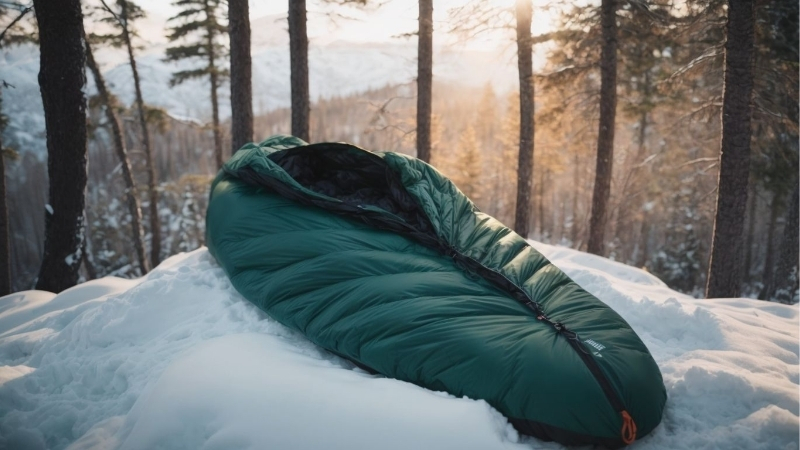
Buy a bag rated about ten degrees colder than the lowest temperatures you expect, since ratings assume you sleep warm and use a good pad. For camps down to ten degrees, a zero-degree bag gives a safe margin.
Look for standardized comfort and limit ratings, since the comfort rating is the more realistic figure for most sleepers. A little extra warmth is cheap insurance against a miserable, sleepless night.
Down Versus Synthetic Fill
Down offers the best warmth-to-weight ratio and packs small, ideal for backpacking, but costs more and loses loft when wet unless treated. High fill power, like 800 or 850, means more warmth for less weight.
Synthetic fill costs less, insulates even when damp, and dries faster, but it is heavier and bulkier. Choose down for lightweight backcountry trips and synthetic for wet conditions or budget car camping.
Weight and Packability
For backpacking, weight and packed size are critical, and premium down winter bags can stay near three pounds while warm to zero degrees. Heavier bags trade packability for warmth or a lower price.
Car camping frees you from weight concerns, so roomy, heavy, ultra-warm bags become fair game. Match the weight class to whether you carry the bag on your back or in a trunk.
Warmth Features
Heat-trapping details make a big difference, so look for an insulated draft collar, a snug hood, and a draft tube behind the zipper. These seal in warmth and block cold spots on the coldest nights.
A water-resistant or hydrophobic shell protects insulation from frost and condensation inside a tent. Mummy shapes trap heat best, while roomier cuts add comfort at some warmth cost.
Buying a Winter Sleeping Bag in 2026: Prices and Timing
Beyond specs, timing shapes what you pay for the best cold weather sleeping bag in 2026. Down and fabric costs have climbed, and winter demand swings prices, so a little planning stretches your budget.
Tariffs and Material Costs
Outdoor gear makers reported broad input-cost increases this year, with premium down and technical fabrics among materials seeing roughly ten to fifteen percent higher costs. Brands have described some new prices as estimates that may shift.
The practical upshot is that premium down bags are unlikely to get much cheaper at full retail. When a bag you want appears at a fair price, buying can beat waiting for a discount that may not undercut a rising baseline.
Seasonal Timing
Winter bags see the widest selection heading into fall and early winter, so the deepest discounts often land in early-season sales or spring clearance. Popular sizes sell through fast once the cold arrives.
Major sales windows, including October’s Prime Big Deal Days and the late-November Black Friday and Cyber Monday stretch, typically deliver strong winter-bag deals.
Buy Early and Test Warmth
If a winter trip is on the calendar, buy early and test the bag on a cold night at home or in the yard to confirm it keeps you warm with your pad and layers. A dry run prevents cold surprises.
Early buying also beats the pre-season stock crunch on popular sizes and ratings, which thin out fast once winter camping season begins.
Top Picks: The Best Cold Weather Sleeping Bag Reviewed
These six picks for the best cold weather sleeping bag span a buy-once premium down bag, lightweight winter down, an expedition alternative, value down options, and a warm synthetic car-camper. The table gives a quick overview, then each review covers who it suits and its trade-offs.
| Model | Rating | Fill | Best For | Price Tier |
|---|---|---|---|---|
| Western Mountaineering Bristlecone MF | ~-10°F | Premium down | Buy-once best overall | Premium |
| Mountain Hardwear Phantom 0F | ~0°F | 800-fill down | Lightweight winter | Premium |
| Feathered Friends Snowbunting | ~0°F | Premium down | Expedition warmth | Premium |
| Marmot Mad River 0 | ~0°F | Down | Value entry-level | Mid |
| Mountain Hardwear Bishop Pass 0 | ~0°F | 650-fill down | Value down | Mid |
| ALPS OutdoorZ Redwood -10 | ~-10°F | Synthetic | Car-camping warmth | Budget |
Western Mountaineering Bristlecone MF
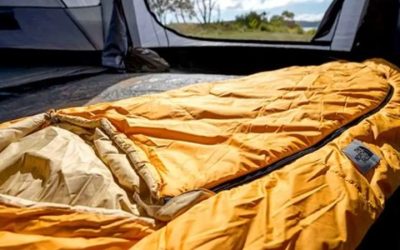
The Western Mountaineering Bristlecone MF is our buy-once best overall, earning top honors after dozens of frigid test nights thanks to outstanding warmth, luxurious features, and legendary durability. Its premium down loft rebounds fast and holds heat down to punishing temperatures.
It is expensive and a serious investment. For serious winter campers who want a bag that lasts for decades and simply keeps them warm, it is worth every dollar.
Mountain Hardwear Phantom 0F
The Phantom 0F is our lightweight winter pick, a longtime favorite for winter camping and high-altitude trips, filled with nearly two pounds of 800-fill down and a lofty draft collar. It stays impressively light for its zero-degree warmth.
Its shell offers little wet-weather protection and it is pricey. For backpackers who want serious cold-weather warmth without a heavy bag, it is a proven performer.
Feathered Friends Snowbunting
The Feathered Friends Snowbunting is our expedition-warmth pick, built with premium high-fill down and a well-shaped hood that traps heat for cold, demanding nights. Feathered Friends is renowned for meticulous, warm down bags.
It carries a premium price and is made in limited runs. For expedition and deep-cold campers who want top-shelf down warmth, it is an outstanding, hand-built option.
Marmot Mad River 0
The Marmot Mad River 0 is our value entry-level pick, a reliable, no-frills zero-degree bag that keeps you cozy down to single digits at roughly a third the cost of premium bags. It is a smart first winter bag.
It is heavier and less packable than premium down bags. For newcomers to winter camping who want dependable warmth without a big spend, it delivers strong value.
Mountain Hardwear Bishop Pass 0
The Bishop Pass 0 is our value down pick, using 650-fill down and a mummy design for dependable cold-weather warmth, with a ripstop shell, anti-snag zipper, and included compression sack. It balances warmth and price well.
Its lower fill power means more weight and bulk than premium bags. For campers and budget-minded backpackers who want real down warmth at a fair price, it is a sensible choice.
ALPS OutdoorZ Redwood -10
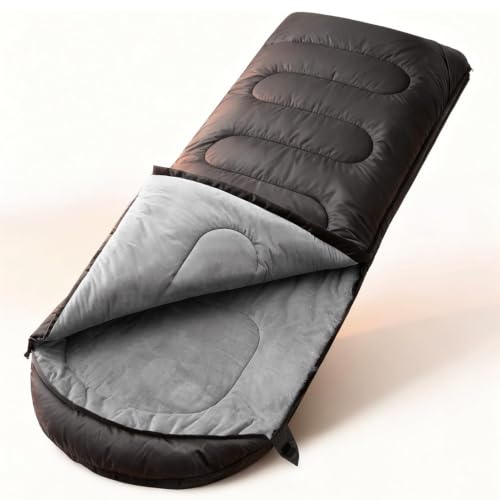
The ALPS OutdoorZ Redwood is our car-camping warmth pick, a roomy synthetic bag with a cotton canvas shell and flannel liner that brings a cozy, blanket-pile feel to cold nights. Its heavy synthetic fill keeps cold sleepers warm into the single digits.
It is bulky and heavy, unsuitable for backpacking. For car campers and RV trips where warmth and comfort beat portability, it is an excellent, affordable choice.
Frequently Asked Questions
Quick answers to the questions campers ask most when choosing the best cold weather sleeping bag for winter trips.
How do I pick the right temperature rating?
Buy a bag rated about ten degrees colder than the lowest temperature you expect, since ratings assume a good pad and warm sleepwear. Focus on the standardized comfort rating rather than the limit, since comfort reflects a restful night for most sleepers while the limit is closer to survival.
Is down or synthetic better for winter?
Down offers the best warmth-to-weight and packs small, making it ideal for backpacking, but it loses loft when wet unless treated and costs more. Synthetic insulates even when damp, dries faster, and costs less, but is heavier and bulkier. Choose down for weight and packability, synthetic for wet conditions and budget.
Does a sleeping pad affect warmth?
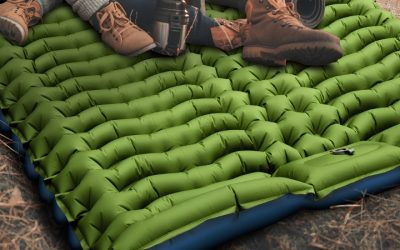
Yes, hugely. A sleeping pad’s R-value insulates you from the cold ground, which draws heat away faster than cold air. Even the warmest bag underperforms on a thin pad, so pair a winter bag with a high-R-value pad, and consider stacking a foam pad underneath for extra insulation.
How do I keep a down bag warm and dry?
Use a bag with a water-resistant shell or treated down, ventilate your tent to cut condensation, and keep the bag off wet surfaces. Store it uncompressed at home to preserve loft, and air it out each morning on trips. A vapor barrier liner can also protect down on extended cold expeditions.
See More:
- Best shoes for trail running
- Best rated binoculars for hunting
- Best waterproof boots for hiking
- best waterproof rain jacket women
- sleeping pad best
Final Thoughts
Choosing the best cold weather sleeping bag comes down to matching temperature rating, fill, and warmth features to your climate and how you camp rather than chasing one number. The Western Mountaineering Bristlecone MF leads as a buy-once bag, the Mountain Hardwear Phantom 0F goes light for the backcountry, and the Marmot Mad River 0 delivers value, while the ALPS Redwood pampers car campers. Buy early, pair it with a warm pad, and any of these six will keep the cold at bay.
Our top picks



As an Amazon Associate we earn from qualifying purchases at no extra cost to you.
Write Your Review
No reviews yet. Be the first to share your experience!