Key takeaways
Warm weather sleeping bag shopping is about staying comfortable without cooking, so venting and weight matter as much as warmth. This warm weather sleeping bag guide compares six light, airy picks rated for summer nights so you sleep cool, pack light, and never wake up drenched on a muggy evening outdoors.
As an Amazon Associate we earn from qualifying purchases.
Our top picks


 Elevon Double Sleeping Bag for Adults with
- Occupancy: 1 Person
- Seasons: 3-4 Seasons
- Temperature Rating: 41°F-77°F
As an Amazon Associate we earn from qualifying purchases at no extra cost to you. Ratings are shown as listed on Amazon.
By Jake Thompson, outdoor gear writer and long-time trail tester
How to Choose a Warm Weather Sleeping Bag
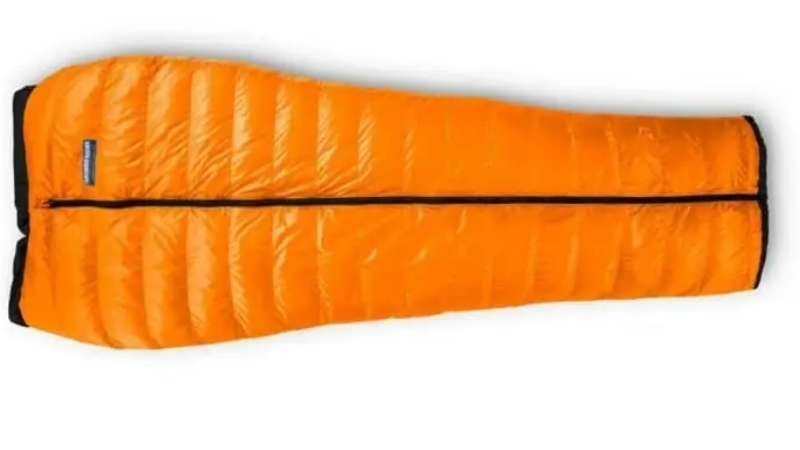
A summer bag balances just-enough warmth with breathability and low weight. Focus on temperature rating, ventilation, weight and packability, and fill type. Match these four to your warm-season trips and you sleep comfortably without overheating or lugging more bag than you need. The right summer bag disappears into your kit and lets the night do the work.
Temperature Rating
For warm nights, a bag rated between 30 and 45 degrees is the sweet spot. It provides enough warmth for cool summer mornings without trapping so much heat that you overheat during muggy evenings at lower elevations.
Buy to the comfort rating and vent as needed. If you camp at altitude where nights turn cold, lean toward the warmer end of that range so you are not caught shivering before dawn.
Ventilation
Venting is what separates a good summer bag from a sweaty one. Features like top vents, two-way or triple zippers, and thermo-gill panels let you dump heat without fully opening the bag on warm nights.
A roomier cut also breathes better. Generously shaped bags allow airflow around the body, which side and warm sleepers appreciate, though they trap a little less heat when temperatures dip.
Weight and Packability
Summer bags should be your lightest, since they use less insulation. Premium down models weigh well under two pounds and pack tiny, freeing space in a warm-weather pack where you carry less gear overall.
Higher fill power packs smaller for the warmth. If ounces and pack volume matter on long summer treks, prioritize a compressible high-fill down bag over a bulkier budget option.
Fill Type
Down offers the best warmth-to-weight and packs smallest, ideal for dry summer trips. Synthetic keeps insulating when damp and costs less, a smart pick for humid climates or campers who value easy care.
Hydrophobic treated down narrows the gap in damp conditions. Match the fill to your climate and budget, remembering that summer’s lighter insulation makes either type easy to carry.
Top Picks: Warm Weather Sleeping Bag
This warm weather sleeping bag roundup spans six picks from ultralight down to budget synthetic, with a match for any warm-season camper. The table compares rating, fill, and weight, then each pick gets an honest look at its venting and trade-offs.
| Sleeping Bag | Rating | Fill | Weight | Best For |
|---|---|---|---|---|
| REI Co-op Magma 30 | ~34°F comfort | 850 down | ~1 lb 8 oz | Best value down |
| NEMO Disco 30 | ~31°F comfort | 650 down | ~2 lb 5 oz | Roomy, side sleepers |
| Sea to Summit Spark 45 | ~45°F | Down | ~1 lb | Lightest, ultralight |
| Sea to Summit Ascent | ~39°F comfort | 750 down | ~1 lb 3 oz | Best ventilation |
| Marmot Trestles Elite Eco 30 | ~30°F | Synthetic | ~2 lb | Wet weather, budget |
| Western Mountaineering MegaLite | ~30°F | 850+ down | ~1 lb 8 oz | Premium warmth-to-weight |
REI Co-op Magma 30
The Magma 30 is the value leader, packing 850-fill down for a comfort rating around 34 degrees at just over 1.5 pounds. It rivals bags costing far more, with a draft collar and loftier down than budget rivals, making it a superb three-season and summer choice.
It needs protection from moisture like all down, and its cut is fairly trim. For campers who want premium summer performance without a premium price, though, it is the standout.
NEMO Disco 30
The Disco 30 is the roomy, breathable pick, with a spoon shape that gives side sleepers space and thermo-gill vents that dump heat on warm nights. Hydrophobic 650-fill down and a waterproof footbox handle damp summer conditions well.
It is one of the heavier bags here and its high volume takes more body heat to warm. For side sleepers and campers who value room and venting, though, it is very comfortable.
Sea to Summit Spark 45
The Spark 45 is the ultralight champion, dipping near a single pound thanks to high-fill down and minimalist materials. It is built for warm-weather backpackers who count every ounce and want the smallest possible packed size on summer treks.
Its sparse features and snug cut suit gram-counters more than comfort seekers, and 45 degrees is strictly for warm nights. For the lightest summer bag, though, it is hard to beat.
Sea to Summit Ascent
The Ascent is the ventilation king, using a triple-zip system to transform from a warm cocoon into a breezy quilt as temperatures change. Its premium 750-fill down and quality build give it a cozy, upscale feel across a range of mild conditions.
It is bulkier when packed than higher-fill bags and less of a pure value than the Magma. For campers who prize adjustable venting above all, though, it is excellent.
Marmot Trestles Elite Eco 30
The Trestles is the wet-weather and budget pick, with synthetic insulation that keeps you warm even when damp, at a price that undercuts most down bags. It is a dependable, low-maintenance summer bag for rainy regions and cost-conscious campers.
Synthetic is heavier and bulkier than down, so it eats pack space. For humid climates and tight budgets, though, its moisture resistance and value are hard to match.
Western Mountaineering MegaLite
The MegaLite is the premium featherweight, a USA-made bag that is both toasty and one of the lightest in its class thanks to hand-filled 850-plus down. It delivers exceptional warmth-to-weight and a lifetime of service for dry-climate summer backpacking.
It commands a top-tier price and, like all down, dislikes moisture. For hikers who want the best warmth-to-weight and lasting quality, though, it is the gold standard.
Market Context: Prices, Tariffs and Timing in 2026
Summer bags carry real dollar swings, so timing helps when buying a warm weather sleeping bag in 2026. Import cost pressure and the seasonal calendar shape prices, and premium down especially moves with the market.
Why Prices Are Uncertain
Most bags and their down are imported, and 2026 tariff policy has stayed in flux even after legal challenges, keeping costs elevated. Premium down bags have edged up, while budget synthetic bags pass costs straight to shoppers.
Because policy keeps shifting, brands call future pricing guesswork. That is a fair reason to buy a proven bag you trust while it is in stock in your size and rating rather than waiting on a lower price.
Where the Deals Are
Warm-weather bags often discount at the end of summer as seasonal stock clears, making late-season the smart time to buy for next year. Prior-year colorways offer real markdowns since bags change little year to year.
Closeout inventory clears through late 2026 as retailers move pre-tariff stock. Member sales and coupons can shave meaningful amounts off premium down, so time a purchase to a major sale.
When to Buy
Amazon’s fall event in early October and the late-November Black Friday and Cyber Monday windows bring the deepest cuts. Buying a summer bag in the off-season is a reliable way to save before warm weather returns.
If a trip is booked, prioritize the right rating and venting over a small saving. A cool, appropriate bag in hand beats a cheaper one that leaves you sweating or shivering.
Frequently Asked Questions
These are the questions campers ask most about a warm weather sleeping bag.
What temperature rating is best for summer?
A rating between 30 and 45 degrees suits most summer nights, providing warmth for cool mornings without overheating. Choose the warmer end if you camp at altitude, where nights can turn surprisingly cold even in summer.
How do I stay cool in a summer bag?
Choose a bag with vents, two-way or triple zippers, or thermo-gill panels so you can dump heat without fully opening it. A roomier cut also improves airflow around the body on muggy nights.
Down or synthetic for warm weather?
Down is lightest and most packable for dry summer trips, while synthetic keeps insulating when damp and costs less. In humid climates or rainy regions, synthetic’s moisture resistance is often the smarter choice.
Can I use a summer bag in colder weather?
Only with help, since a 30-to-45-degree bag is not warm enough for cold nights alone. Adding a liner and sleeping in dry layers extends its range somewhat, but a warmer bag is safer for cold trips.
See More:
- Best boots for rocky trails
- Best boots for snow hiking
- Budget hiking shoes
- Premium hiking boots
- Hiking shoe comparison chart
Final Thoughts
The best warm weather sleeping bag matches rating, venting, and weight to your summer nights. The REI Magma 30 leads on value, the NEMO Disco 30 wins for roomy venting, the Spark 45 is lightest, and the Trestles handles damp weather on a budget. Buy to the comfort rating, prioritize venting for muggy nights, grab a proven bag while stock lasts, and summer sleep stays cool and comfortable from dusk to dawn.