Key takeaways
Sleeping bag temperature guide readers want one thing: to stop guessing and pick a bag that keeps them warm. This sleeping bag temperature guide explains how ratings actually work, then matches six tested bags to summer, three-season, cold, and winter nights so you buy exactly the warmth you need for every trip you take.
As an Amazon Associate we earn from qualifying purchases.
Our top picks


 HiZYNICE Sleeping Bags for Adults XXL Cold
- Occupancy: 1 Person
- Seasons: 3 Seasons
- Temperature Rating: 0°F


As an Amazon Associate we earn from qualifying purchases at no extra cost to you. Ratings are shown as listed on Amazon.
By Jake Thompson, outdoor gear writer and long-time trail tester
How to Use This Sleeping Bag Temperature Guide
Ratings are only useful if you know how to read them. Focus on ISO comfort versus lower limit, choosing a rating for your conditions, how your own body sleeps, and layering to extend range. Master these four and you sleep warm every night.
ISO Comfort Versus Lower Limit
Modern bags carry two standardized numbers. The ISO comfort rating is the temperature a cold sleeper stays warm, while the lower-limit rating suits warm sleepers, so a bag labeled 30 degrees comfort and 20 degrees limit spans that range.
Most sleepers should trust the comfort rating, not the limit. Marketing often headlines the lower limit to make a bag sound warmer, so read carefully and buy to the comfort number for safety.
Choosing a Rating for Your Conditions
Match the rating to your coldest expected nights, then add a margin. A 30-to-40-degree bag suits summer, a 15-to-20-degree bag covers most three-season use, and 0-degree or colder bags handle winter and alpine trips.
Buy a little warmer than you think you need. It is easy to vent a warm bag by unzipping, but impossible to add warmth to one that is simply too cold on a frosty night.
How Your Body Sleeps
Ratings assume an average sleeper, but you may run warm or cold. Cold sleepers should size down in temperature for extra margin, while warm sleepers can trust the limit rating and save weight with a lighter bag.
Metabolism, hydration, and food all affect warmth. Eating before bed and staying hydrated help your body generate heat, so a bag’s rating is a starting point, not a guarantee for everyone.
Layering to Extend Range
A single bag can cover more conditions with help. A liner adds roughly five to fifteen degrees of warmth, and sleeping in a base layer, hat, and dry socks meaningfully boosts a bag’s real-world range.
Your sleeping pad matters too, since cold ground steals heat. Pairing a warm bag with an insulated pad of adequate R-value is essential, because even the best bag cannot compensate for a cold pad beneath you.
Top Picks: Sleeping Bag Temperature Guide
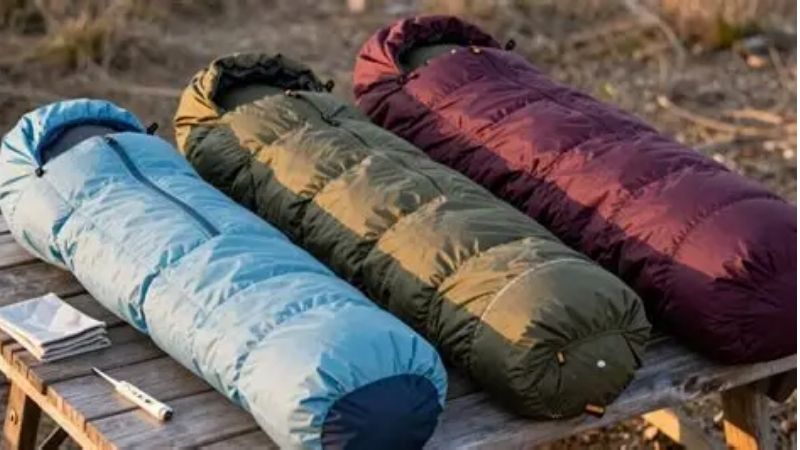
This sleeping bag temperature guide lines up six bags from summer warmth to winter cold, so you can pick by the nights you expect. The table lists temperature rating, fill, and weight, then each pick gets an honest look at where it fits.
| Sleeping Bag | Temp Rating | Fill | Weight | Best Season |
|---|---|---|---|---|
| NEMO Disco 30 | ~30°F | 650 down | ~2 lb 3 oz | Summer |
| REI Co-op Magma 15 | ~21°F limit / 31°F comfort | 850 down | ~2 lb 7 oz | Three-season |
| Kelty Cosmic Down 20 | ~20°F (31°F comfort) | 550 down | ~2 lb 7-15 oz | Three-season, budget |
| Western Mountaineering UltraLite | ~20°F | 850+ down | ~1 lb 13 oz | Three-season, premium |
| NEMO Disco 15 | ~15°F | 650 down | ~2 lb 11 oz | Cold, side sleepers |
| REI Co-op Magma 0 | ~0°F | 850 down | ~3 lb+ | Winter, alpine |
Summer: NEMO Disco 30
For warm nights, a 30-degree bag like the Disco 30 is ideal, offering enough warmth for summer without overheating. Its spoon shape and venting suit side sleepers and let you dump heat, keeping you comfortable on mild, muggy evenings.
A summer bag leaves you cold on frosty shoulder-season nights, so it is not a do-everything choice. For dedicated warm-weather camping, though, its light, breezy comfort is exactly right.
Three-Season Value: REI Co-op Magma 15
The Magma 15 is the three-season sweet spot, with a comfort rating near 31 degrees and a limit near 21 that covers most spring-through-fall nights. Premium 850-fill down, draft collars, and a roomier cut deliver warmth and comfort at a fair price.
It is heavier than ultralight bags and overkill for pure summer. For the widest range of three-season conditions at a reasonable price, though, it is a benchmark.
Three-Season Budget: Kelty Cosmic Down 20
The Cosmic Down covers three-season nights on a budget, with a 20-degree rating and a comfort limit around 31 that handles most spring-through-fall trips. Its 550-fill down packs smaller than any synthetic at the price.
Lower fill power adds weight and bulk versus premium down. For campers who want dependable three-season warmth without a premium outlay, though, it is the standout value.
Three-Season Premium: Western Mountaineering UltraLite
For the lightest three-season warmth, the UltraLite delivers a 20-degree rating in a sub-two-pound package thanks to hand-filled 850-plus down and continuous baffles. Its made-in-USA build lasts a decade or more, rewarding the investment.
The price is steep and the cut is snug. For backpackers who want the best warmth-to-weight for three-season nights and will pay for it, though, it is the top choice.
Cold Nights: NEMO Disco 15
When temperatures dip toward the mid-teens, the Disco 15 adds warmth while keeping the spoon shape side sleepers love. Its 650-fill down and roomy foot box suit restless sleepers on chilly shoulder-season and alpine nights.
It is heavier and less lofty than premium down, and warm for summer. For cold three-season nights where comfort and room matter, though, it is a cozy pick.
Winter: REI Co-op Magma 0
For winter and alpine trips, a 0-degree bag like the Magma 0 keeps you warm when nights plunge below freezing. Premium 850-fill down and a heavily insulated hood and draft collar trap heat through the coldest conditions most campers face.
It is heavy, bulky, and far too warm for anything but cold weather. As a dedicated winter bag paired with a high-R-value pad, though, it delivers the margin cold nights demand.
Market Context: Prices, Tariffs and Timing in 2026
Bags across every rating carry real dollar swings, so timing helps when using a sleeping bag temperature guide in 2026. Import cost pressure and the seasonal calendar shape prices, especially for premium down whose fill is sourced globally.
Why Prices Are Uncertain
Most bags and their fill are imported, and 2026 tariff policy has stayed in flux even after legal challenges, keeping costs elevated. Premium down bags have edged up, while budget models pass costs straight to shoppers.
Because policy keeps shifting, brands call future pricing guesswork. That is a fair reason to buy a proven bag you trust while it is in stock in your size and rating rather than waiting on a lower price.
Where the Deals Are
Closeout stock is the value play. Retailers are clearing pre-tariff inventory through late 2026, so prior-year versions of bags at every rating offer real markdowns, since bags change little year to year.
Warmer bags often discount at the end of summer, and winter bags dip in spring as seasonal stock clears. Timing a purchase to the off-season is a reliable way to save on any rating.
When to Buy
Amazon’s fall event in early October and the late-November Black Friday and Cyber Monday windows bring the deepest cuts, and bags make popular holiday gifts. A wishlist plus price tracking helps you buy at the low.
If a trip is booked, prioritize the right rating for your nights over a small saving. A warm-enough bag in hand beats a cheaper one that leaves you shivering at the trailhead.
Frequently Asked Questions
These are the questions campers ask most when using a sleeping bag temperature guide.
Should I trust the comfort or limit rating?
Most sleepers should buy to the ISO comfort rating for safety, since the lower limit suits only warm sleepers. If you tend to run cold, size down in temperature for extra margin on chilly nights.
How much warmth does a liner add?
A liner typically adds five to fifteen degrees, depending on its material. It is a cheap, light way to extend a bag’s range into colder nights without buying a second, warmer bag.
Why am I cold in a bag rated for the temperature?
Often the culprit is a cold sleeping pad, since the ground steals heat that no bag can replace. A pad with adequate R-value, plus dry layers and food before bed, keeps you warm.
Can one bag cover every season?
A 15-to-20-degree bag handles most three-season nights, and a liner extends it colder. For deep winter or hot summer extremes, though, a dedicated bag serves far better than stretching one across every condition.
See More:
- Best boots for rocky trails
- Best boots for snow hiking
- Budget hiking shoes
- Premium hiking boots
- Hiking shoe comparison chart
Final Thoughts
This sleeping bag temperature guide comes down to reading ratings honestly and matching them to your nights: trust the comfort number, buy a little warm, and layer to extend range. Summer campers should look at the Disco 30, three-season hikers at the Magma 15 or UltraLite, and winter campers at the Magma 0. Pair the right rating with a warm pad, buy a proven bag while sizes last, and cold nights lose their bite.