Choosing shelter for your vehicle-based adventures requires balancing convenience, durability, and vehicle capability. As overlanding continues to evolve in 2026, hard shell roof top tents have emerged as the gold standard for travelers who prioritize rapid setup times, exceptional weather resistance, and long-term structural integrity over traditional soft-sided alternatives. However, navigating the market can be overwhelming given the vast array of designs, materials, and price points available.
Buying the right hard shell tent is not simply about picking the sleekest profile or the thickest mattress. It requires a deep understanding of your vehicle’s dynamic and static weight limits, your specific camping style, and the environmental conditions you expect to encounter. By focusing on core engineering specs rather than marketing gimmicks, you can select a mobile sanctuary that performs reliably miles off the paved grid.
As an Amazon Associate we earn from qualifying purchases at no extra cost to you.

Understanding Weight Limits and Roof Rack Compatibility
Before falling in love with a particular hard shell tent, you must calculate your vehicle roof’s weight limits. Vehicle manufacturers publish two distinct metrics: dynamic weight capacity, which applies while the vehicle is in motion, and static weight capacity, which applies when the vehicle is parked and the tent is occupied. Hard shell tents are inherently heavier than soft tents due to their rigid top and bottom panels, often starting around 130 pounds and scaling upward toward 200 pounds or more.
You must ensure your roof rack system—and the vehicle’s structural pillars—can safely support the dynamic weight of the tent while driving over rough, corrugated washboard roads. Many factory crossbars are woefully inadequate for this task, necessitating an upgrade to aftermarket heavy-duty crossbars or a specialized roof rack tower system. Always verify that your chosen rack manufacturer officially approves their product for roof top tent installations.
Shell Materials: Aluminum vs. Fiberglass and ABS Plastics
The material of the hard shell dictates its longevity, impact resistance, and thermal performance. Aluminum shells represent the pinnacle of durability. They shrug off low-hanging tree branches, resist UV degradation completely, and can often accommodate T-slots on top for mounting recovery boards, solar panels, or bicycles. They are virtually indestructible in rough terrain but carry a heavier initial investment.
Fiberglass and reinforced ABS plastic shells offer a smoother aerodynamic profile and generally weigh slightly less than full aluminum builds. ABS plastics are flexible and absorb minor impacts well, but lower-grade formulations can become brittle after years of intense sun exposure. Fiberglass provides a rigid, clean aesthetic that holds paint and gel coats nicely, though it can crack under severe point-impact stresses from heavy branches.
Deployment Mechanisms: Gas Struts vs. Hand Cranks and Scissors
How a hard shell tent opens dictates how quickly you can get out of the elements or hit the trail in the morning. Gas-strut assisted pop-up or wedge designs are the most popular choices today. You simply unlatch a couple of heavy-duty marine-grade buckles, give a gentle push, and internal gas struts pop the tent open in under a minute. Packing it down requires pulling the fabric inward while compressing the shell against the struts.
Vertical lift designs, which raise the entire hard shell parallel to the roof using scissor arms or manual hand cranks, offer massive interior headroom throughout the entire footprint. While mechanical crank systems take an extra minute or two to operate, they provide unmatched structural rigidity in high winds and maximize interior volume for taller campers who dislike feeling confined at the foot of the bed.
Bedding Storage and Interior Volume When Closed
One of the primary quality-of-life benefits of a hard shell roof top tent is the ability to store your sleeping gear inside while traveling. However, internal volume varies wildly depending on the tent’s folded profile. Wedge-style tents taper sharply at one end, which means thick winter sleeping bags, heavy down comforters, and pillows usually need to be pushed toward the thicker end or removed entirely before closing.
Box-style or vertical-lift tents maintain a uniform height from front to back, offering generous vertical clearance even when closed. This allows you to leave a fitted sheet, blankets, and a couple of flat pillows stowed right on the mattress. Before purchasing, verify whether the mattress thickness and closed profile leave enough clearance to accommodate your preferred bedding setup without straining the latches and fabric gussets.
Aerodynamics and Fuel Economy Impact
Bolting a hard box to the roof of your adventure rig inevitably changes its aerodynamic profile. Low-profile hard shells—often measuring under 8 inches in height when closed—slice through headwinds efficiently, minimizing wind noise and keeping fuel economy penalties to a manageable level. Tents with thicker profiles or bulky auxiliary gear bolted to the top can create severe drag, whistling turbulence, and noticeable drops in highway miles per gallon.
Weather Resistance and Four-Season Capability
True overlanding adventures often expose you to torrential downpours, heavy snow loads, and howling mountain gales. Hard shell tents handle inclement weather far better than soft shells because their rigid roofs do not flap violently in high winds. Look for canvas or poly-cotton ripstop fabrics with high hydrostatic head waterproof ratings, taped seams, and heavy-duty YKK zippers. A well-designed rain fly or extended awning over the entry door is essential for stepping outside during a storm without dumping water onto your mattress.
When to Spend More: Entry-Level vs. Premium Tier Tents
Hard shell roof top tents span a massive price spectrum, ranging from budget-friendly imports around fifteen hundred dollars to ultra-refined premium models exceeding four thousand dollars. Entry-level models typically use thinner plastics, standard gas struts, and basic foam mattresses. They are entirely adequate for weekend warriors who camp during fair weather.
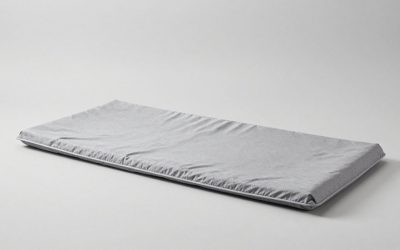
Upgrading to a premium tier gains you aerospace-grade aluminum construction, condensation-mitigating anti-condensation mats beneath upgraded dual-layer foam or memory foam mattresses, integrated internal LED lighting, and robust mounting hardware. If you spend dozens of nights a year on the trail or camp in sub-freezing temperatures, the durability and ergonomic refinements of a premium tent justify the higher financial outlay.
Related Guides
If you are still researching specific models or looking to expand your mobile base camp setup, check out our comprehensive Best Hard Shell Roof Top Tents for Overlanding in 2026: Compared and Ranked guide. For those considering a complete shift away from roof-mounted shelter solutions, we also evaluate the top tow-behind options in our Best Premium Off Road Camping Trailers for Overlanding in 2026: Compared and Ranked review.
FAQ
Will a hard shell roof top tent fit on any vehicle roof rack?
No, roof racks must be rated to handle both the static and dynamic weight of the tent. Factory crossbars are frequently too weak, so you will likely need heavy-duty aftermarket crossbars that match your vehicle’s specific weight ratings.
How much do hard shell roof top tents typically weigh?
Most hard shell models weigh between 130 and 210 pounds depending on their size, material composition, and integrated features. Always check your vehicle’s dynamic roof load limit before purchasing.
Can I leave my bedding inside a hard shell tent when closed?
Yes, many box-style hard shells provide enough internal clearance to store sleeping bags, blankets, and pillows. Wedge-style tents offer less storage volume at the tapered end, meaning bulky bedding may need to be rearranged or removed.
Do hard shell tents significantly decrease highway fuel economy?
Low-profile hard shells have a minimal impact on fuel economy due to their aerodynamic shape. However, thicker models or those loaded with external gear racks can increase wind drag and reduce your highway miles per gallon.