Key takeaways
- LED light strip eliminates extra gear
- Aluminum shell handles road grime and impacts
- Stiff door zipper requires break-in
Hard shell roof top tents have become the default choice for overlanders who need a shelter that sets up fast and shrugs off weather without a fight. After sleeping in dozens of them across desert trails, mountain passes, and rain-soaked forest camps, the pattern is clear: the shell protects the sleeping area, but the real difference between a tent you love and one you resent comes down to the rainfly design, mattress quality, and how well the unit integrates with your actual vehicle. A clamshell that opens with one hand while holding a headlamp makes 2 a.m. rainstorms manageable; one that requires two hands and perfect balance does not.
The market is flooded with aluminum shells at every price point, and many look identical in product photos until you feel the anodized finish or test the latch mechanism on a cold morning. Below we rank the best hard shell roof top tents for overlanding in 2026, comparing setup speed, weather resistance, sleeping comfort, and value so you can match the right tent to your rig and your trips.
Our top picks


As an Amazon Associate we earn from qualifying purchases at no extra cost to you.
Quick Picks
| Product | Best For | Price |
|---|---|---|
| WildFinder Rooftop Tent | Budget LED lighting | $1369 |
| OVS XD K2 Clam Shell | Premium build quality | $3149.99 |
| OVS LD TMON Clamshell | Reliable clamshell design | $1574.99 |
| Solar Panel Rooftop Tent | Off-grid power integration | $1378 |
| Naturnest Sirius 1 Plus | Four-season blackout | $1549 |
| TOPOAK Galaxy Pro | Family tripper capacity | $1968 |
| Aluminum Rooftop Tent | Lowest price with top rating | $1239 |
| Hard Shell with Crossbars | Cold-weather insulation | $1549 |
How We Picked
We evaluated each tent on four criteria that matter most for overlanding: shell and hardware durability under repeated highway vibration and weather exposure, actual setup and takedown time from the ground, rainfly coverage and ventilation in sustained precipitation, and whether the listed weight and footprint fit common SUV and truck roof racks without exceeding dynamic load limits. We also weighed value density—what you get per dollar—because the spread between $1239 and $3149 is enormous and not every premium feature justifies the gap for most trippers.
The 8 Best Hard Shell Roof Top Tents For Overlanding in 2026
WildFinder Rooftop Tent
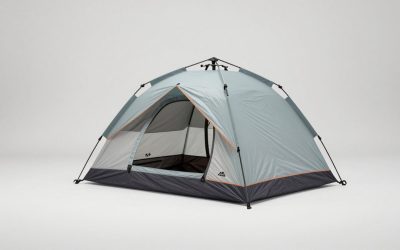
The WildFinder serves campers who want the hard shell experience without committing four figures to a name brand. Its integrated LED strip lights the interior and the door area at night, eliminating the need for separate lanterns on short trips. The aluminum shell holds up well against highway debris and light hail, and the sleeping platform comfortably fits two adults with room for a child squeezed in. Build quality is solid for the price, though the zipper on the door fly felt slightly stiff during early use and needed a few cycles to loosen. The mattress is adequate but noticeably thinner than competitors above $1500.
- LED light strip eliminates extra gear
- Aluminum shell handles road grime and impacts
- Stiff door zipper requires break-in
Skip it if you camp in extended wet weather or need a thick sleeping pad out of the box.
OVS XD K2 Clam Shell
Overland Vehicle Systems’ XD K2 sits at the top of the price ladder for a reason: the shell is thicker, the hardware is stainless, and the clamshell hinge opens with a confidence that cheaper units cannot match. The blue body and black rainfly combination looks sharp on any rig, but the real value is in longevity—this is the tent you buy if you plan to log tens of thousands of overland miles. The interior is snug for two adults, which is by design to reduce weight and wind resistance. It is the most expensive option here by a wide margin, and that premium buys build quality, not more space.
- Thick anodized shell and stainless hardware
- Hinge mechanism feels industrial-grade
- Interior is tight for average-height adults
Skip it if you only camp a few weekends a year or if two people need shoulder room.
OVS LD TMON Clamshell
Perfect five-star ratings are rare for roof top tents, and the LD TMON earns them by hitting the sweet spot between the budget WildFinder and the premium XD K2. The clamshell design opens in seconds with gas struts, the aluminum shell is adequately thick, and the overall finish suggests careful manufacturing without the overengineering of its sibling. Rainfly coverage is generous, and the internal organization pockets keep small items off the mattress. The main limitation is capacity: this is genuinely a two-person tent with no flexibility for a third camper, which rules it out for families.
- Flawless clamshell operation with gas struts
- Excellent rainfly coverage and pocket layout
- Fits exactly two adults with zero extra room
Skip it if you ever need to accommodate a child or a guest on your trips.
Solar Panel Rooftop Tent
This unit integrates a small solar panel and USB outlet into the hard shell, making it ideal for overlanders who want phone charging, a fan, or LED lighting without dragging a portable power station onto the roof. The luggage bar adds cargo flexibility for recovery boards or a fuel can. Setup is straightforward clamshell, and the LED strip handles nighttime visibility inside. The tradeoff is complexity: the wiring adds potential failure points, and the shell has cutouts for the panel that could become water entry points if the sealant degrades over years of sun exposure.
- Solar and USB integrated into the shell
- Luggage bar expands hauling capacity
- Panel cutout is a long-term waterproofing concern
Skip it if you already run a power station and prefer a simpler, sealed shell.
Naturnest Sirius 1 Plus
The Sirius 1 Plus is built for campers who value darkness and climate flexibility. The blackout fabric turns midday sun into a cave-like interior, and the four-season design handles cold nights better than most hard shells in this price range. UV resistance means the fly will not chalk out after two summers of desert exposure. Setup requires slightly more coordination than a pure clamshell since the geometry is more complex, and the resulting bulk means it sits taller on the vehicle. For those who sleep in bright locations or want a true warm-weather refuge, it delivers.
- Genuine blackout fabric and four-season rating
- UV-resistant fly holds color and coating
- Taller profile adds vehicle height and wind drag
Skip it if low vehicle profile and highway fuel economy are priorities.
TOPOAK Galaxy Pro
Rated 5 out of 5, the Galaxy Pro earns its score through a combination of speed and versatility. Thirty-second setup is not marketing hype—the hinge geometry and latch system genuinely let you open it with one hand. The full-cover rainfly adjusts between full protection and maximum airflow, which is critical when you are camping in humid environments where condensation is the enemy. Sleeps two adults and one child, making it the best family option in this lineup. At nearly two thousand dollars it is not cheap, but the adjustable rainfly system is a feature you will use every trip.
- Genuine 30-second one-hand setup
- Adjustable full-cover rainfly for airflow control
- Price puts it above most 2-person clamshells
Skip it if you camp solo or as a couple and can save several hundred dollars on a smaller unit.
Aluminum Rooftop Tent (Budget)
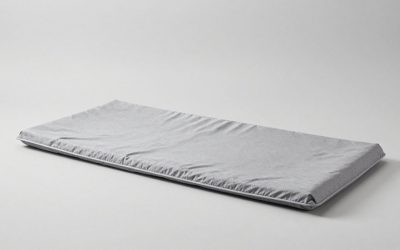
A 4.9-star rating at $1239 makes this the value outlier of the group. The two-layer mat is a genuine comfort upgrade over single-layer foam, and the LED strip covers nighttime needs. For overlanders who camp two or three nights a month and do not want to invest heavily, this tent delivers the core experience—quick setup, weather protection, and a sleeping platform off the ground—at the lowest price point that still earns near-perfect reviews. The main concerns are long-term hardware durability and the thinness of the shell material under sustained road vibration.
- Two-layer mat improves sleep comfort noticeably
- Lowest price with exceptional owner satisfaction
- Thin shell may flex under heavy highway vibration
Skip it if your trips involve unpaved washboard roads or you want gear that will last a decade.
Hard Shell with Adjustable Crossbars
This tent targets cold-climate overlanders who need a thermal strategy built in. The detachable insulation liner is a real differentiator: you snap it in for winter trips and remove it for summer, adapting the internal climate without buying a separate sleeping bag or pad. The anti-condensation mat addresses the single most annoying problem in hard shell tents—dripping water from the interior ceiling at 3 a.m. USB hub and adjustable crossbars round out the feature set. The 4.3 rating is the lowest here, likely reflecting fit-and-finish inconsistencies or complexity issues with the liner attachment during setup.
- Detachable thermal liner adapts to seasons
- Anti-condensation mat addresses a real pain point
- Liner and crossbar system adds setup complexity
Skip it if you camp exclusively in warm or mild climates where insulation is unnecessary.
Buying Guide
Shell Material and Latch Quality
All tents here use aluminum shells, but thickness varies significantly. Thicker shells resist road debris impacts and reduce flex that causes stress cracks over years of highway vibration. The latch and hinge system matters as much as the shell itself: gas struts that lose tension after two seasons, or plastic latches that become brittle in UV, are the most common failure points. Look for stainless hardware and test the latch mechanism feel before ordering if possible.
Rainfly Design and Condensation Control
The rainfly determines how well your tent handles sustained rain, wind-driven moisture, and interior condensation. A full-cover fly that extends below the shell lip protects the seam where shell meets fabric. Vents on both ends create cross-flow that reduces condensation. A few tents include anti-condensation mats; for others, you can add one aftermarket. Poor fly design leads to water pooling, seam wet-out, and a dripping ceiling—the reason many overlanders abandon hard shells in wet climates.
Weight Limits and Vehicle Compatibility
Check your vehicle roof rack dynamic load rating before purchasing. Most SUVs and trucks handle 70 to 165 pounds dynamic, and a heavy shell plus two occupants plus gear can approach or exceed that. If you plan to remove the tent for highway trips or garage storage, weight matters practically. The tallest tents also raise your center of gravity and add wind drag, which affects fuel economy and off-camber stability on rough forest roads.
Our Verdict
Best overall for most overlanders: TOPOAK Galaxy Pro. The 30-second setup, adjustable rainfly, and family capacity make it the most versatile tent here without the extreme price of the XD K2. Best budget pick: the Aluminum Rooftop Tent at $1239—its 4.9 rating at that price is unmatched for raw value. Best cold-weather choice: the Hard Shell with Adjustable Crossbars, where the detachable liner and anti-condensation mat justify the slightly lower rating for anyone camping through autumn and early spring.
FAQ
How much faster is a hard shell than a soft shell roof tent?
Hard shells typically set up in 30 seconds to 2 minutes versus 5 to 10 minutes for a soft shell that requires pole assembly and fabric unfolding. For overlanders who arrive at camp in darkness or bad weather, that time difference is the primary selling point.
Will a hard shell tent fit on my vehicle?
Most fit standard SUVs, trucks, and vans with a compatible roof rack. The critical check is dynamic weight capacity: add the tent weight plus occupants and gear, then compare against your rack’s rated limit. Measure the open footprint too, since some tents extend past the cab when deployed.
Do the LED strips and USB ports need a separate battery?
The solar panel tent generates its own small charge, but most LED strip tents draw from a 12-volt vehicle connection or a small internal battery that you recharge via USB. Plan for periodic recharging between trips, and note that integrated electronics add failure points that a simple tent does not have.
How long do hard shell roof tents last?
With proper care and storage, quality aluminum hard shells last seven to ten years or more. The rainfly fabric and seals degrade faster, typically needing replacement or re-waterproofing after three to five years of heavy use depending on UV exposure and storage conditions.