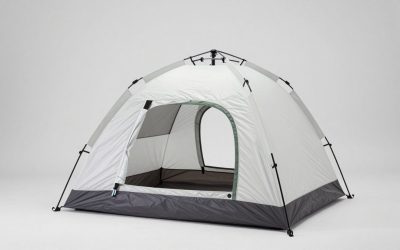
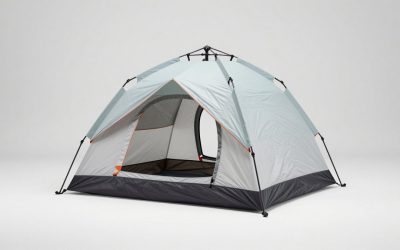
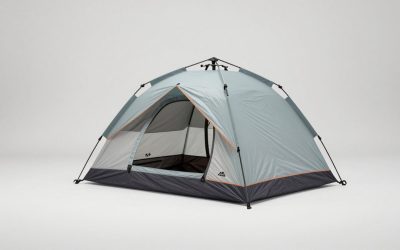
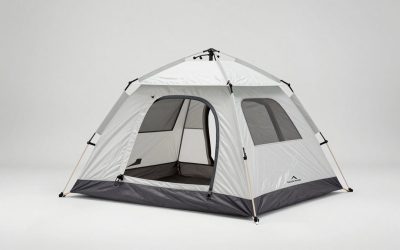
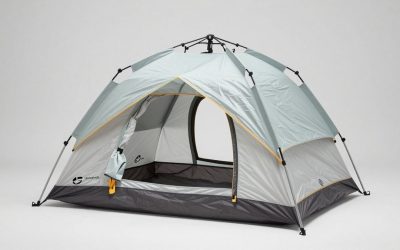
For years, instant tents have promised the ultimate camp setup: pull a cord, lock a hub, and watch your shelter spring into shape in under a minute. While modern 2026 designs have refined these pre-attached pole systems to be sturdier and more intuitive than ever, choosing the right model still requires looking past the marketing hype. The convenience of a rapid pitch is undeniable, but it often comes with trade-offs in packed size, weight, and long-term durability that every buyer must weigh carefully.
Navigating the sheer variety of instant shelters on the market means understanding which specifications actually impact your camping experience. Whether you are upgrading your family car camping setup or seeking a reliable shelter for weekend music festivals, cutting through the noise helps you invest in a tent that survives real-world weather without failing at the primary hub joints. Here is a breakdown of what truly matters when selecting an instant tent.
As an Amazon Associate we earn from qualifying purchases at no extra cost to you.
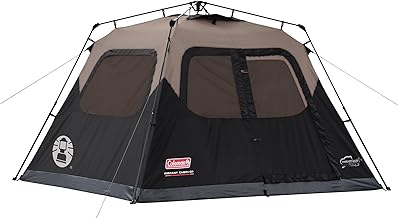
Understanding Hub Mechanisms and Pre-Attached Frames
The core of any instant tent is its framing mechanism, typically featuring telescoping poles and central hub joints that lock into place. When evaluating these systems, look for reinforced injection-molded nylon or high-grade aluminum hubs rather than cheap, brittle plastics that crack under tension or cold temperatures. A quality hub should glide smoothly without requiring excessive brute force, which often bends interior alignment rods. Check how the pole joints articulate; if the hinges feel sloppy or loose straight out of the box, the tent will likely struggle against moderate gusts of wind.
Sizing Realities: Rated Capacity Versus Comfortable Living
Manufacturers often calculate tent capacity strictly by the number of sleeping pads that can squeeze shoulder-to-shoulder on the floor, leaving zero room for gear bags, dogs, or elbows. If you are shopping for a family or a group, always subtract one or two sleepers from the stated manufacturer capacity to maintain a livable environment. An instant tent rated for a large group works best when utilized by a smaller party, allowing space for standing up, changing clothes, and storing gear securely inside the dry perimeter rather than scrambling outside in the rain.
Fabric Denier, Waterproof Ratings, and Weather Shedding
Because instant tents rely on complex mechanical frames, their outer fabrics are sometimes overlooked by buyers dazzled by the rapid pitch. Examine the denier rating of the polyester or nylon walls and floor, prioritizing thicker, coated materials that resist punctures and abrasion from rough ground. Pay close attention to the rainfly coverage; many instant models feature partial flies that require careful guy-line staking to prevent water seepage during prolonged downpours. Ensure the floor features a tub-style design with welded seams to keep groundwater from pooling inside your sleeping area.
Ventilation and Condensation Management in Sealed Designs
Instant tents frequently utilize heavy-duty waterproof coatings and tightly sealed seams, which can trap body heat and moisture rapidly if ventilation is inadequate. Look for models featuring large mesh ceiling panels, low-profile ground vents, and roll-up windows that promote cross-breezes without letting rain inside. Proper airflow is the single best defense against morning condensation soaking your sleeping bags, making multi-point ventilation a non-negotiable feature for humid summer environments or chilly shoulder-season nights.
Portability, Packed Size, and Vehicle Compatibility
The convenience of a fast setup often translates to an awkward packed size. Because the telescoping poles remain permanently attached to the tent fabric, instant shelters typically pack down into long, bulky duffels that do not fit crosswise in smaller trunks. Before purchasing, check the packed dimensions against your vehicle’s cargo capacity or roof rack setup. If you drive a compact car, ensure the cylinder length of the packed bag matches your available trunk space so you are not forced to awkwardly fold down rear seats just to haul your shelter.
Common Mistakes to Avoid When Buying an Instant Tent
One of the most frequent errors campers make is neglecting to stake down an instant tent properly, assuming the rigid frame alone will hold it secure in a storm. Even the sturdiest instant frames require full guying out to prevent wind from catching the wide profile and inverting the roof hubs. Another pitfall is ignoring replacement part availability; choose brands that offer replacement poles or easy-to-install hub repair kits so a single broken joint does not render your entire investment obsolete.
When to Spend More: Upgrading to Premium Materials
Entry-level instant shelters are fine for fair-weather backyard camping or casual summer music festivals, but they quickly show their limits when exposed to rough conditions. Spending more gets you heavier-duty frame poles, superior water-repellent treatments, and thicker canvas or reinforced ripstop fabrics that withstand years of frequent pitching. If you camp multiple times a season or frequently encounter unpredictable mountain weather, investing in a mid-to-high-tier instant tent pays off immediately in structural integrity and peace of mind.
Related Guides
To explore more shelter options for your outdoor adventures, check out our comprehensive Best Instant Tents roundup. If your trips demand absolute weather protection in extreme environments, review our expert picks for the Best Premium Four Season Expedition Camping Tents. For tailgating, basecamps, or open-air shade, take a look at our detailed recommendations for the Best Canopy Tents.
FAQ
Are instant tents harder to pack back into their storage bags?
They can be slightly more challenging due to the rigid hub assemblies and pre-attached poles. Taking your time to roll the tent tightly and push air out of the fabric body before compressing it into the oversized storage duffel makes the process much smoother.
Can instant tents withstand heavy rain and high winds?
Yes, provided they are properly staked and guyed out with all tension lines secured. However, their rigid frame joints make them inherently more susceptible to high wind shear compared to traditional dome or geodesic designs, so caution is advised in severe storms.
How long do instant tent mechanisms typically last?
With proper care, gentle handling, and regular cleaning of dirt from the telescoping joints, a quality instant tent can easily last several years of regular camping. Keeping the hubs lubricated and avoiding forceful snapping motions are key to maintaining long-term functionality.
Do instant tents require a separate footprint or ground tarp?
Using a footprint is highly recommended to protect the integrated tub floor from sharp rocks, pine needles, and excessive wear. Ensuring the footprint matches or is slightly smaller than the tent base prevents rainwater from funneling underneath your floor.