Shopping for a shelter that accommodates a big crew can quickly turn overwhelming. Manufacturers love to throw around numbers that sound promising on paper, but standard tent capacity ratings rarely translate to real-world comfort when you have kids, pets, and gear to manage. In this 2026 guide, we strip away the marketing fluff to focus on the structural and design elements that genuinely impact your family’s camping experience. Whether you are upgrading from a cramped setup or buying your very first multi-room tent, understanding what to look for will save you from sleepless nights in the backcountry or at the local campground.
Choosing the right shelter is about balancing packability, weather resistance, and interior livability. A tent that feels spacious in a showroom can quickly become a stressful puzzle in a sudden downpour if you don’t know which specifications actually matter. By evaluating pole materials, floor plans, and ventilation realistically, you can invest in a home-away-from-home that keeps everyone dry, organized, and happy season after season.
As an Amazon Associate we earn from qualifying purchases at no extra cost to you.

The Real Meaning of Tent Capacity Ratings
The single biggest mistake buyers make is trusting a tent’s head-count rating at face value. A tent labeled for a specific number of people usually assumes everyone is sleeping side-by-side on tight 20-inch sleeping pads with zero extra space for bags, changing clothes, or restless sleepers. If you want actual comfort, air mattresses, or room for gear inside the sleeping area, you should generally subtract two people from the manufacturer’s maximum rating. For instance, a family of four will usually find a six-person tent to be the sweet spot for a comfortable, stress-free trip.
Multi-Room Layouts Versus Open-Plan Living
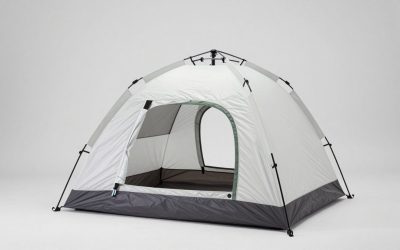
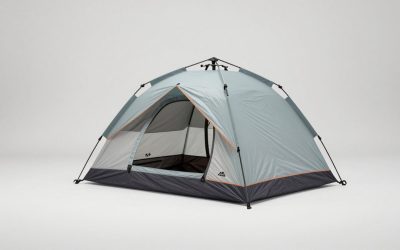
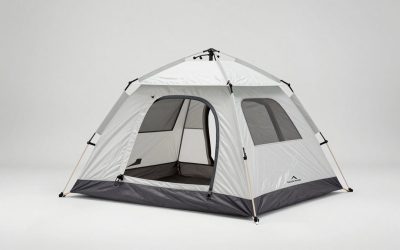
Large family shelters typically fall into two categories: open-plan dome tents or partitioned cabin tents. Open-plan models offer massive central volume and are generally easier to pitch in windy conditions, but they offer zero privacy. Multi-room cabin tents use hanging dividers to create separate sleeping zones or a mudroom area, which is a game-changer when you are dealing with different bedtimes for toddlers or changing out of wet clothes. Consider your family dynamic carefully; privacy walls are wonderful for morning routines, but they do reduce airflow between rooms if the ventilation isn’t properly designed.
Understanding Pole Materials and Wind Resistance
The skeleton of your tent dictates how it handles heavy weather. Fiberglass poles are common in budget models because they are cheap and lightweight, but they become brittle over time and snap easily under high winds. Aluminum poles cost more upfront, but they offer superior tensile strength, flex rather than break, and withstand seasonal storms much better. For massive family-sized footprints that catch a lot of wind, investing in a hybrid design with steel uprights and aluminum roof poles provides the ultimate stability without making the packed bundle impossibly heavy.
Waterproof Ratings and Seam Construction
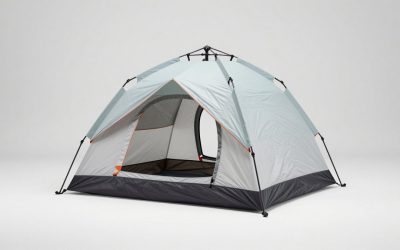
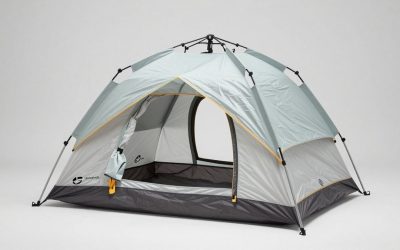
A tent is only as good as its weakest seam during a heavy downpour. Look for tents that specify polyurethane (PU) coatings with hydrostatic head ratings measured in millimeters, and always check that the factory has tape-sealed the seams. A partial rainfly leaves mesh panels exposed to wind-driven rain, whereas a full-coverage rainfly creates a protective perimeter barrier that keeps moisture outside where it belongs. Additionally, bathtub-style floors that wrap several inches up the sides of the tent prevent ground pooling from seeping into your sleeping bags.
Ventilation and Condensation Control
When you pack four to eight breathing humans into a sealed nylon box overnight, condensation is inevitable. Without adequate airflow, you will wake up to wet walls and damp sleeping gear. Prioritize shelters that feature ground-level intake vents, large mesh ceiling panels, and adjustable rainfly awnings that can remain open during light rain. Good cross-ventilation keeps the interior temperature regulated on warm summer nights and drastically minimizes morning moisture buildup.
Setup Simplicity and Packed Weight Reality Checks
Pitching a massive family tent after a long drive can test anyone’s patience. Color-coded pole systems, continuous pole sleeves, and hub designs make a massive difference when you are racing against sunset or bad weather. Before buying, check the packed dimensions and weight. Large family shelters rarely fit into a standard backpack; they usually come in duffel-style carry bags that take up significant trunk space. Ensure your vehicle has the cargo capacity to handle the folded canvas, heavy poles, and stakes.
When to Spend More on Premium Materials
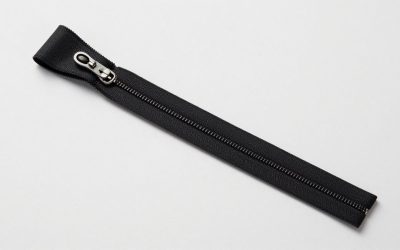
If you only camp once a year during calm summer weekends at a developed campground, a basic entry-level tent will usually suffice. However, if your family camps multiple times a season, encounters unpredictable shoulder-season weather, or visits high-altitude sites, spending more on premium materials pays off immediately. High-grade ripstop fabrics, robust zippers that don’t snag on fabric, and sturdy aluminum hardware prevent catastrophic gear failure halfway through your vacation, ultimately saving you money compared to replacing a cheap tent every couple of years.
Related Guides
For more expert recommendations and deep dives into outdoor gear, check out our comprehensive roundups including Best Tents for Large Families in 2026: Compared and Ranked, Best Luxury Pop Up Camping Trailers for Families in 2026: Compared and Ranked, and Best Canoes for Families in 2026: Compared and Ranked to plan your next great adventure.
FAQ
Should I always buy a tent rated for more people than my actual family size?
Yes, manufacturer capacity ratings assume everyone is sleeping shoulder-to-shoulder on narrow pads without luggage. Sizing up by at least two spots ensures you have adequate room for sleeping gear, changing clothes, and moving around comfortably.
Are cabin-style tents difficult to pitch in windy weather?
Cabin tents have high vertical walls that act like sails, making them trickier to pitch solo in high winds. It is always best to assemble them with at least two adults and stake out the guy lines immediately.
How important is a full-coverage rainfly for family camping?
A full-coverage rainfly is crucial if you anticipate camping in variable or stormy weather. Partial rainflies leave upper mesh panels vulnerable to wind-driven sideways rain.
Do I need a footprint or ground tarp underneath my tent?
Using a footprint that matches your tent’s floor dimensions protects the bottom fabric from abrasive rocks, sharp twigs, and ground moisture. Just ensure the footprint is tucked slightly underneath the tent edges so it doesn’t catch rainwater and funnel it inside.