Key takeaways
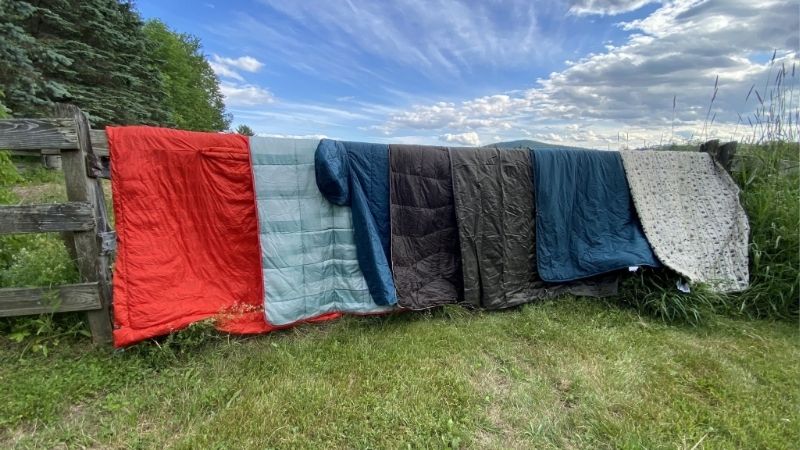
Camping blanket review shoppers want one versatile piece that warms them by the fire, layers over a sleeping bag, and doubles as a picnic throw. This camping blanket review compares six cozy puffy, down, and wool picks by warmth, material, and packability so you find one that truly fits your camp habits and your local climate.
As an Amazon Associate we earn from qualifying purchases.
Our top picks


As an Amazon Associate we earn from qualifying purchases at no extra cost to you. Ratings are shown as listed on Amazon.
By Jake Thompson, outdoor gear writer and long-time trail tester
How to Read This Camping Blanket Review
A camping blanket is a do-everything piece, so match it to your uses. Focus on material and warmth, packability, durability and water resistance, and versatility. Weigh these four and you land a blanket that earns its place whether at a campfire or a festival. A blanket is often the most-used piece of camp gear you own, so it pays to pick the right one.
Material and Warmth
Material drives warmth and feel. Down is the warmest for its weight and pillowy-soft, synthetic puffy fill is warm and forgiving of moisture, fleece is soft but thin, and wool is cozy and naturally flame-resistant.
Higher-fill-power down feels loftiest and warmest, while synthetic keeps insulating when damp. Choose by whether you prioritize warmth-to-weight, wet-weather reliability, or campfire safety. Think about the coldest use you have in mind, since that sets your warmth needs.
Packability
Packability decides whether a blanket travels far. Down and premium synthetic blankets stuff into small carry bags, some no bigger than a water bottle, while wool and fleece blankets are bulky and heavy.
For hiking or tight packing, prioritize a compressible down or synthetic puffy. For car camping and around-town use, bulk matters far less, so you can chase maximum coziness.
Durability and Water Resistance
Outdoor blankets face dirt, dog claws, and damp ground, so durability matters. Rugged synthetic shells resist abrasion and water, while thin fleece and delicate down shells need more care around rough conditions.
Water resistance keeps you dry on damp grass and against light rain. Many synthetic puffy blankets add a DWR shell, while wool naturally sheds some moisture and resists fire near a campfire.
Versatility and Size
The best blanket does many jobs. Look for cape clips or buttons that turn it into a poncho, a size that covers you for sleeping, and machine washability for easy cleaning after messy trips. A poncho mode is genuinely useful on cold, drizzly evenings around camp.
Size balances coverage and bulk. One-person blankets pack smaller, while two-person versions add coverage at the cost of weight, so match the size to how you use it most.
Top Picks: Camping Blanket Review
This camping blanket review lines up six cozy blankets from packable puffy to rugged wool, with a match for any camper. The table compares material, warmth, and best use, then each pick gets an honest look at its coziness and trade-offs.
| Blanket | Material | Best For |
|---|---|---|
| Rumpl Original Puffy | Synthetic | Best overall, versatile |
| Kelty Bestie | Synthetic | Best budget |
| Kammok Firebelly | Down | Most versatile, warm |
| Rumpl Down Puffy | Down | Warmest, lightest |
| Pendleton Yakima Camp | Wool | Campfire, durability |
| Sackcloth & Ashes Camp | Wool blend | Softest, cozy |
Rumpl Original Puffy
The Original Puffy is the best all-rounder, with a warm synthetic fill, water-resistant recycled shell, and a packable design that stuffs into an included tote. Cape clips let it become a poncho, and it machine-washes easily, fitting tailgating, camping, or curling up with a book. Its wide range of sizes and prints means there is a version for nearly any camper or couch.
It is a step down in warmth from down blankets and less packable than the lightest options. As the most versatile, dependable camping blanket for most people, though, it earns its top spot.
Kelty Bestie
The Bestie is the budget champion at around $25, pairing durable polyester on one side with a soft brushed liner on the other. Its synthetic Cloudloft fill keeps you warm, and it comes in fun colors, ideal for picnics, festivals, or layering over a bag.
Its materials feel cheaper than premium picks and it is less packable. For casual campers who want reliable warmth and a killer price, though, it is an easy recommendation.
Kammok Firebelly
The Firebelly is the most versatile pick, a down-filled blanket that converts between a regular blanket, hammock underquilt, camping quilt, and poncho. It traps heat efficiently without much weight, and it is larger and more compressible than many rivals. A two-person version adds coverage for sharing, at the cost of some extra weight.
Down costs more and needs care to stay dry. For campers who want one warm, packable piece that does many jobs, though, it is the standout multitasker.
Rumpl Down Puffy
The Down Puffy is the warmth-to-weight leader, using 600-fill sustainably sourced down to weigh around 1.2 pounds for a one-person blanket. That is nearly a pound lighter than the Original Puffy while adding cozy, lofty warmth for chilly nights.
It costs significantly more than synthetic blankets and, like all down, dislikes moisture. For campers who want the warmest, lightest, most packable blanket, though, it delivers.
Pendleton Yakima Camp
The Yakima is the classic wool pick, prized for durability and campfire safety since wool resists flame far better than synthetic or down. Its heavy, cozy weave makes it a rugged, timeless blanket that lasts for decades of hard use.
Wool is heavy, bulky, and lacks the packable, sleeping-bag-like warmth of puffy blankets. As a durable, fire-safe blanket for car camping and campfires, though, it is a lasting investment.
Sackcloth & Ashes Camp
The Sackcloth & Ashes Camp is the coziest wool pick, made from a soft, dye-free wool blend that feels supple against the skin. At around 72 by 60 inches it offers solid coverage without excess bulk, blending comfort with an eco-conscious build.
Like all wool, it is heavier and less packable than puffy blankets and lacks their lofty sleeping warmth. For campers who want a soft, natural, comfortable blanket, though, it is a top choice.
Market Context: Prices, Tariffs and Timing in 2026
Blankets span cheap synthetics to premium down, so timing helps in this camping blanket review for 2026. Import cost pressure and the seasonal calendar shape prices across every material.
Why Prices Are Uncertain
Most blankets are imported, and 2026 tariff policy has stayed in flux even after legal challenges, keeping costs elevated. Premium down and wool blankets have edged up, while budget synthetics pass costs straight to shoppers.
Because policy keeps shifting, brands call future pricing guesswork. That is a fair reason to buy a proven blanket you trust while it is in stock in your size and color rather than waiting.
Where the Deals Are
Closeout stock is the value play. Retailers are clearing pre-tariff inventory through late 2026, so prior-year prints and colorways offer real markdowns, since blanket designs change little year to year.
Blankets make popular gifts, so they discount heavily in the holiday season. Timing a purchase to a major sale is the surest way to land a cozy blanket for less.
When to Buy
Amazon’s fall event in early October and the late-November Black Friday and Cyber Monday windows bring the deepest cuts. Fall and winter also bring blanket-specific sales as demand for coziness rises.
If a trip is booked, prioritize the right material and warmth over a small saving. A cozy, appropriate blanket in hand beats a cheaper one that is too thin for a chilly night.
Frequently Asked Questions
These are the questions campers ask most in a camping blanket review.
Down, synthetic, or wool?
Down is warmest and most packable but costly and moisture-shy, synthetic is warm, forgiving, and affordable, and wool is durable and fire-safe but heavy. Choose by whether you prioritize warmth-to-weight, value, or campfire use.
Can a camping blanket replace a sleeping bag?
On warm nights, a warm blanket can suffice, and on cold nights it adds warmth over a bag. But for cold weather alone, a rated sleeping bag traps heat far more effectively than an open blanket. Many campers pack both, using the blanket as a warm-night option and a cold-night booster.
Are camping blankets waterproof?
Many synthetic puffy blankets add a water-resistant DWR shell that sheds light moisture and damp grass, but few are fully waterproof. Wool naturally resists some moisture, while down blankets need to stay dry.
Which blanket is safest near a campfire?
Wool, since it resists flame and embers far better than synthetic or down, which can melt or catch. For campfire lounging, a wool blanket like the Pendleton Yakima is the safest choice. Keep any synthetic or down blanket well back from sparks and embers.
See More:
- Best boots for rocky trails
- Best boots for snow hiking
- Budget hiking shoes
- Premium hiking boots
- Hiking shoe comparison chart
Final Thoughts
This camping blanket review comes down to matching material and packability to your habits. The Rumpl Original Puffy is the versatile all-rounder, the Kelty Bestie wins on value, the Kammok Firebelly and Rumpl Down Puffy lead on warmth, and wool blankets rule the campfire. Pick the blanket that fits how you camp, buy a proven model while stock lasts, and chilly nights turn cozy. Match the material to your climate and habits, and a good blanket lasts for years of trips.