Key takeaways
Camping sleep checklist planning means never arriving at camp missing the one thing that ruins your night. This camping sleep checklist walks through the essentials for restful sleep outdoors, from bag and pad to pillow and small comfort items, with six tested picks so you pack everything you need to wake up rested.
As an Amazon Associate we earn from qualifying purchases.
Our top picks


As an Amazon Associate we earn from qualifying purchases at no extra cost to you. Ratings are shown as listed on Amazon.
By Jake Thompson, outdoor gear writer and long-time trail tester
How to Use This Camping Sleep Checklist
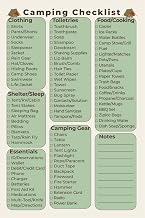
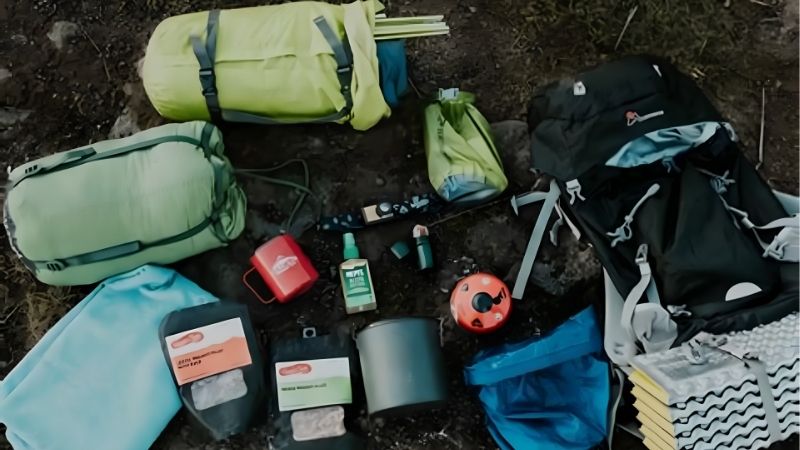
A good checklist covers warmth, cushion, support, and the small things that seal a good night. Focus on core insulation, ground insulation, head support, and comfort extras. Cover these four and you never forget the item that would have kept you awake. A missing pillow or pad turns a good trip into a long, cold night.
Core Insulation
Your bag or quilt is the first box to check, and its rating must match your coldest expected nights. Buy to the comfort rating and lean warmer if you tend to sleep cold, since you can always vent excess heat. The bag is the one item you truly cannot improvise at camp.
Down offers the best warmth-to-weight, while synthetic forgives moisture. Whichever you choose, the bag anchors the whole checklist, so pick it for your real conditions first.
Ground Insulation
A pad is non-negotiable, since cold ground steals heat no bag can replace. Match its R-value to the season, and never leave it off the checklist, because a warm bag on bare ground still sleeps cold. It is the piece campers most underestimate and most regret skipping.
Thickness matters for comfort too, especially for side sleepers. A three-inch or thicker pad cushions hips and shoulders while its R-value keeps the ground’s chill at bay.
Head Support
A pillow is the item campers most often forget and most regret leaving. Proper neck support greatly improves sleep for little weight, whether a plush foam pillow for car camping or a light inflatable for the trail.
Around four inches of loft suits most sleepers. Securing the pillow to the pad stops it sliding, a small step that keeps your head supported all night.
Comfort Extras
The small things separate a rough night from real rest. A liner adds warmth and keeps the bag clean, while dry sleep clothes, a warm hat, and socks trap heat on chilly nights.
Quiet and dark help you sleep deeply. Earplugs and an eye mask block a noisy campground or an early sunrise, and a headlamp within reach handles any midnight needs.
Top Picks: Camping Sleep Checklist
Here are six essentials that belong on every camping sleep checklist, each an example pick for its role. The table sums up what each covers, then every pick gets an honest look at why it earns a spot in your pack.
| Checklist Item | Example Pick | Role |
|---|---|---|
| Sleeping bag | REI Co-op Magma 15 | Core insulation |
| Sleeping pad | Therm-a-Rest NeoAir XLite NXT | Ground insulation |
| Pillow | Sea to Summit Aeros Premium | Head support |
| Liner | Sea to Summit Reactor | Warmth and hygiene |
| Earplugs and eye mask | Basic sleep kit | Quiet and dark |
| Sleep clothes | Base layer, hat, socks | Extra warmth |
Sleeping Bag: REI Co-op Magma 15
The Magma 15 anchors the checklist with premium 850-fill down, a roomier cut, and draft collars at a mid-range price. It delivers warmth and comfort across three seasons, covering the most important box on any sleep checklist.
It is heavier than ultralight bags and needs protection from moisture. As the core insulation for most trips, though, it is a benchmark that rarely disappoints.
Sleeping Pad: Therm-a-Rest NeoAir XLite NXT
The XLite covers ground insulation, delivering a 4.5 R-value at around 13 ounces for an unmatched warmth-to-weight ratio. Three inches of loft and an easy valve make it comfortable and quick, and it packs to the size of a water bottle.
Its thin fabric can puncture, so add a patch kit to the checklist too. As the pad in most kits, though, it is the standard everything else is measured against.
Pillow: Sea to Summit Aeros Premium
The Aeros Premium is the head-support pick, with over four inches of plush loft at just over three ounces. A three-way valve makes inflation and adjustment easy, and it packs tiny, delivering real comfort for minimal weight or space.
It can slide unless secured to the pad, and its shell feels delicate near sharp gear. For lightweight head support that greatly improves sleep, though, it is a standout.
Liner: Sea to Summit Reactor
A liner is the checklist’s cheapest upgrade, adding warmth while keeping the bag cleaner. The Reactor extends a bag’s range into colder nights, packs small, and boosts both comfort and hygiene without a second bag.
It adds a little weight and only so much warmth alone. As a warmth extender and hygiene layer, though, it quietly improves every night in the bag.
Earplugs and Eye Mask
Earplugs and an eye mask are the tiny items that protect your sleep, blocking a noisy campground and an early sunrise. Weighing almost nothing, they let you sleep as deeply outdoors as you would at home, especially in busy campgrounds.
They are easy to forget and easy to lose, so keep a dedicated pair in your sleep kit. For the weight of a coin, though, they meaningfully improve rest.
Sleep Clothes: Base Layer, Hat, Socks
Dry sleep clothes complete the checklist, trapping heat your bag alone cannot. A clean base layer, a warm hat, and dry socks add real warmth on chilly nights and keep your bag’s insulation cleaner too.
Changing into dry clothes before bed matters, since damp trail clothes chill you. As a near-weightless warmth boost, though, dedicated sleep clothes are worth the space.
Market Context: Prices, Timing and Value in 2026
Assembling a sleep kit means several buys, so timing helps with this camping sleep checklist for 2026. Import cost pressure and the seasonal calendar shape prices across bags, pads, and accessories alike.
Why the Kit Adds Up
Bags, pads, and accessories are all imported, and 2026 tariff policy has stayed uncertain even after legal challenges, keeping costs elevated. Premium items have edged up, while budget picks pass costs straight to shoppers.
The good news is a checklist can be filled over time. Prioritize the bag and pad first, since they drive warmth most, then add a pillow, liner, and small comfort items as budget allows.
Where the Deals Are
Closeout stock is the value play. Retailers are clearing pre-tariff inventory through late 2026, so prior-year versions of bags and pads offer real markdowns, since designs change little year to year.
Amazon’s fall event in early October and the late-November Black Friday and Cyber Monday windows bring the deepest cuts. Buying several checklist items during one sale is the efficient way to complete the kit.
Check It Before Every Trip
Run the checklist before each trip so nothing gets left behind, since forgetting a pad or pillow is far costlier than any small saving. A written or saved list prevents the classic last-minute mistakes.
Keep the small items, like earplugs and a liner, permanently in your sleep kit. That way the checklist mostly takes care of itself, and you only add the bag and pad per trip.
Frequently Asked Questions
These are the questions campers ask most about a camping sleep checklist.
What are the essentials for sleeping at camp?
A rated bag, an adequate pad, and a pillow are the core three, since they cover warmth, cushion, and support. A liner, dry sleep clothes, and earplugs round out a complete, restful setup. Miss any of the core three and the night suffers noticeably.
What do campers most often forget?
A pillow and a warm hat top the list, along with earplugs. Keeping small items permanently in your sleep kit prevents these easy-to-forget pieces from being left at home before a trip.
Do I really need a pad if I have a warm bag?
Yes, since cold ground steals heat no bag can replace, making a pad non-negotiable. Match its R-value to the season, because a warm bag on bare ground still leaves you sleeping cold. The pad is as essential as the bag, not an optional extra.
How do I sleep better in a noisy campground?
Pack earplugs and an eye mask to block noise and early light, and set up on flat, quiet ground away from trails. Dry layers and a comfortable pad also help you settle in and stay asleep.
See More:
- Best boots for rocky trails
- Best boots for snow hiking
- Budget hiking shoes
- Premium hiking boots
- Hiking shoe comparison chart
Final Thoughts
This camping sleep checklist comes down to the essentials that guarantee rest: a rated bag, an adequate pad, a pillow, a liner, dry sleep clothes, and small items like earplugs. The Magma 15, NeoAir XLite, and Aeros Premium cover the big three, and the extras seal a good night. Run the checklist before every trip, buy proven gear while stock lasts, and you will always sleep well outdoors. A quick check before you leave home saves a miserable night in the field. It takes two minutes and prevents the worst kind of surprise.