
Best knots for a hammock are the handful of hitches that let you hang safely and adjust quickly, matched to the job and the cord you use. You do not need a dozen fancy knots; a few reliable ones cover tree straps, suspension lines, and tarp ridgelines, so you can set up camp fast and trust the system holding you off the ground.
Our top picks



As an Amazon Associate we earn from qualifying purchases at no extra cost to you.
As an Amazon Associate we earn from qualifying purchases.
🛒 Best Price Today on Amazon
Prime members get fast, free shipping on everything above, plus member-only deals. New members get a 30-day free trial — cancel anytime.
Start 30-Day Prime Free Trial →See Today’s Amazon DealsHow to Choose the Right Hammock Knots
The best knots for a hammock depend on what the knot must do and what cord you are tying. A body-weight suspension knot has different demands than a tarp ridgeline hitch, and slick line behaves very differently from grippy webbing. Match the knot to the job and the material.
Match the Knot to the Cord
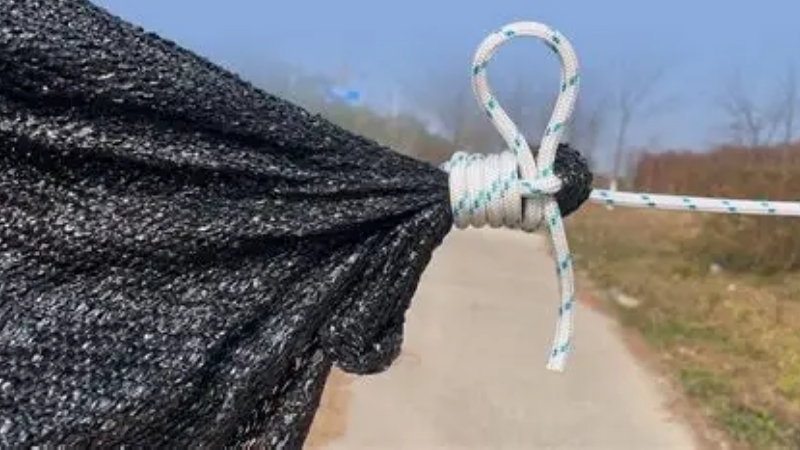
Grippy polyester or nylon webbing lets friction hitches like the taut-line and becket hitch hold well when dressed neatly. Slick UHMWPE lines like Amsteel, Dyneema, and Spectra have a very low coefficient of friction, so friction knots creep and can slip dangerously on them.
On slick line, stop relying on friction knots and use a spliced continuous loop, a whoopie sling, or hardware that traps the line rather than pinching it. The slicker the cord, the more the best knots for a hammock lean on fixed loops, full wraps, and dedicated systems instead of simple hitches.
Adjustable vs. Fixed Knots
Adjustable hitches like the marlinspike, taut-line, and Farrimond let you fine-tune hang height and tarp tension without retying, which is a real convenience at camp. Fixed knots like the bowline create a strong, permanent loop that you clip to a carabiner and leave alone.
Think about how often you adjust. If you like changing your hang after dinner for a better view or fire glow, an adjustable system shines. If you set it once and forget it, a fixed loop plus a carabiner is simpler and rock solid for the whole night.
Safety and Backups
Body-weight knots deserve respect. With a marlinspike hitch you hang on the knot, not the toggle, and it is only stable while loaded, so it must be loaded from the standing side. Re-check any hitch after you first sit, after temperature drops, and after rain, since cord can shift.
Back up critical knots and keep tarp adjustments separate from your suspension so a rain tweak never disturbs your bed. When in doubt, a spliced loop or a proven buckle removes knot risk entirely, which is why many hangers keep their body-weight knot count to zero or one.
Value, Tariffs, and Timing
Hammock suspension gear spans from cheap cord to premium straps and slings, and outside costs are climbing. Industry surveys report tariff-driven increases near 7 to 8 percent across outdoor gear, and technical materials like UHMWPE line and webbing have seen added pressure that filters into pricing.
Learning the best knots for a hammock is nearly free, but a good strap or whoopie sling set is worth buying when it fits your budget, since prices tend to rise. Watch for off-season sales, and pair proven knots with quality hardware for a system that lasts many seasons.
Top Knots and Suspension Methods
These six knots and methods cover every hammock job, from tree straps to tarp lines. The table offers a quick comparison before we detail each, so you can assemble the best knots for a hammock setup that fits your cord and your camp style.
| Knot / Method | Main Job | Works Best On | Adjustable? |
|---|---|---|---|
| Marlinspike Hitch | Attach whoopie sling to strap | Webbing straps | Yes |
| Becket Hitch | Quick suspension connection | Webbing, sheathed rope | Yes |
| Bowline | Fixed loop to carabiner | Most cord | No |
| Taut-Line Hitch | Adjustable tarp/guy lines | Nylon, polyester | Yes |
| Prusik Knot | Slider for tarp ridgeline | Grippy accessory cord | Yes |
| Whoopie Sling (knotless) | Adjustable suspension | Slick UHMWPE line | Yes |
Marlinspike Hitch
The marlinspike hitch is the go-to for adjustable suspension, creating a toggle point on your tree strap that a whoopie sling or continuous loop clips into. It is the most common real-world hammock attachment, letting you change hang height quickly by moving the toggle up or down the strap.
The key safety rule is to hang on the knot, not the toggle, and load it from the standing side, since it is only stable under load. Paired with webbing straps and whoopie slings, it is fast, secure, and endlessly adjustable at camp.
Becket Hitch
The becket hitch, a cousin of the sheet bend, quickly joins your suspension line to a loop or webbing, and it packs down in seconds when you break camp. It works especially well with a long webbing strap that doubles as tree protection and suspension, a clean, minimal setup.
It grips best on webbing or sheathed rope; on thin, slick cord like Amsteel or Dyneema it can slip unless you add double or triple wraps, which makes it fiddlier. For webbing-based systems, though, it is a fast, reliable connection worth learning.
Bowline
The bowline is the best all-around fixed loop, forming a strong, reliable loop at the end of a line that you clip to a carabiner. It is a foundational knot every hanger should know, secure under load yet still untieable after weight comes off, and it works on most cord types.
Because it is fixed, it does not adjust, so pair it with an adjustable element on the other end for fine-tuning. Dressed and backed up, it is among the best knots for a hammock, a dependable, versatile anchor for suspension, tarp corners, and countless camp tasks.
Taut-Line Hitch
The taut-line hitch is the classic adjustable knot for tarp and guy lines, sliding to tension the line and then gripping in place. It lets you tighten a saggy tarp after rain without retying, making it a staple for shelter setup and one of the most useful camp knots.
It grips well on nylon and polyester but creeps on slick UHMWPE line, so keep it to grippy cord. For body-weight suspension, prefer a spliced system, but for tarp lines and guylines, where a slip is an annoyance rather than a danger, it is ideal.
Prusik Knot
The prusik is a friction slider knot tied with a separate grippy accessory cord, perfect for adjustable tarp ridgelines. It grips the ridgeline when loaded and slides freely when you release it, letting you position and tension a tarp precisely without cutting or retying anything.
Keep your prusiks and tarp adjustments separate from your hammock suspension so a rain tweak never disturbs your bed. Pre-tied prusik loops with a couple of small carabiners make ridgeline setup fast, tidy, and easy to adjust from under the tarp.
Whoopie Sling (Knotless)
For slick UHMWPE line, the whoopie sling is the knotless answer, an adjustable spliced loop that traps the line rather than pinching it. At around four ounces it is the lightest adjustable suspension option, and it pairs with a marlinspike hitch on your strap for quick height changes.
Whoopie slings trade a little flexibility for reliability and light weight, and a cinch buckle is an alternative that works better with cold, wet, or gloved hands. Either way, a dedicated system removes friction-knot risk on slick line, which is why so many hangers rely on one.
Frequently Asked Questions
Hammock hangers learning the ropes tend to ask the same questions. Here is what to know before settling on the best knots for a hammock for your setup.
How many knots do I really need?
Not many. A marlinspike or becket hitch for suspension, a bowline for a fixed loop, and a taut-line or prusik for tarp lines cover almost everything. Match one knot to each job and cord, and you have a complete, reliable system without memorizing a dozen fancy hitches.
Why do my knots slip on Amsteel or Dyneema?
Those UHMWPE lines are extremely slick by design, so friction knots creep and can slip on them. On slick line, switch to a spliced continuous loop, a whoopie sling, or a buckle that traps the line, and keep any knot you do tie to grippy cord where it holds.
Can I skip knots entirely?
Nearly. A continuous loop on the hammock end plus a whoopie sling, cinch buckle, or daisy chain gets your body-weight knot count to zero or one. Knotless systems are reliable, adjustable, and beginner-friendly, though learning a bowline is still worth it as a backup.
Is a marlinspike hitch safe for my weight?
Yes, when used correctly, and it is the most common real-world hammock attachment. The rules are simple: hang on the knot, not the toggle, and load it from the standing side, since it is only stable under load. Re-check it after you first sit down to be sure.
See More:
- Best bike hydration pack
- Best bicycle hydration pack
- Best rain jacket for warm weather
- Best hot weather rain jacket
- Best camping multi tool
Final Thoughts
The best knots for a hammock are the few reliable hitches that match the job and the cord, from a marlinspike or becket hitch for suspension to a taut-line or prusik for tarp lines. Learn a bowline for a fixed loop, and reach for a whoopie sling or buckle whenever your line is slick. With gear prices under upward pressure from tariffs, buying quality straps and slings now can hedge against future increases, and good hardware plus proven knots lasts many seasons. Hang on the knot, keep tarp lines separate, and re-check after you sit, and your hang will be safe and easy every night.


Write Your Review
No reviews yet. Be the first to share your experience!