
Key takeaways
- Pitch the ridgeline tight and high above the hammock so the tarp sheds water and does not sag onto you.
- Use a continuous ridgeline through the tarp for a fast, adjustable, and taut pitch.
- Angle the tarp with the wind, lowering the windward side to block driving rain.
- Keep tarp tie-outs above the hammock suspension so water cannot travel down the straps to you.
A hammock is blissful until the rain arrives, and then everything depends on your tarp. A poorly pitched rainfly funnels water onto your quilt, whips loose in the wind, and leaves you cold and miserable; a well-set tarp keeps you bone dry through a downpour and lets you enjoy the storm from your cocoon. The skill is not complicated, but it rewards attention to angle, tension, and a few small tricks that stop water from finding its way to you.
This guide walks through setting up a hammock tarp for maximum rain protection, covering tarp size and shape, ridgeline setup, staking, and drip lines. We reference real rainflies from a $25 Bear Butt 11×9 tarp to larger 10×13 and 10×10 waterproof covers, so you can match your tarp to the weather and pitch it right the first time.
Our top picks




As an Amazon Associate we earn from qualifying purchases at no extra cost to you. Ratings are shown as listed on Amazon.
⚡ Save on Your Next PC — Amazon Prime
Prime members get fast free shipping on the systems above, plus early access to Prime Day & Black Friday PC deals. New members get a 30-day free trial.
Watch: How to Set Up a Hammock Tarp for Maximum Rain Protection — Video Review
Choosing the Right Tarp Size and Shape
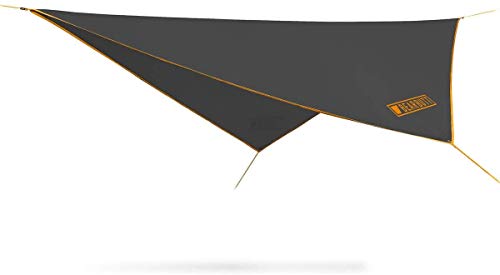
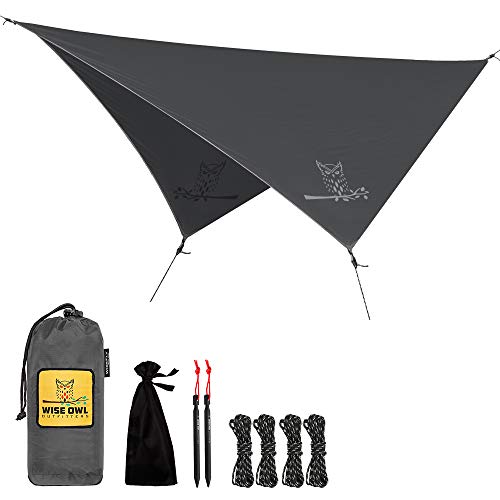
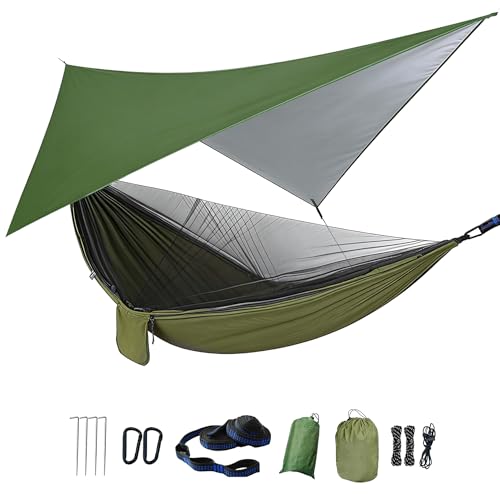
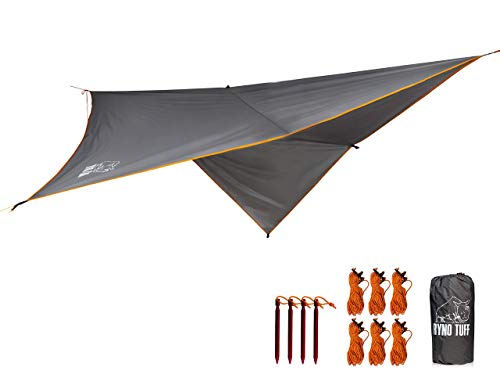
Coverage is everything in serious rain. An 11×9 foot tarp like the Bear Butt rainfly covers a standard hammock with overhang to spare, while larger 10×13 or 10×10 tarps such as the WoneNice and Ryno Tuff options give extra protection for gear and a covered entry. Rectangular tarps are the versatile default; longer tarps shield your head and foot ends better in wind-driven rain. When storms are likely, err toward more coverage than you think you need.
Setting the Ridgeline
- Pitch the ridgeline tight and high above the hammock so the tarp sheds water and does not sag onto you.
- Use a continuous ridgeline through the tarp for a fast, adjustable, and taut pitch.
- Angle the tarp with the wind, lowering the windward side to block driving rain.
- Keep tarp tie-outs above the hammock suspension so water cannot travel down the straps to you.
Staking and Tensioning
Stake the tarp corners out wide and low for storm mode, creating steep sides that dump water fast and block wind. Use the included aluminum stakes and guy lines, like those with the Ryno Tuff tarp, and tension each line so the fabric is drum-tight with no flapping pockets where water can pool. In heavy wind, add extra guy points and lower the tarp closer to the hammock to reduce its profile.
Adding Drip Lines
The sneakiest way to get wet is water running down your suspension straps into the hammock. Stop it with drip lines: tie a short length of cord around each hammock strap between the tree and the tarp, letting the tail hang down so water drips off it to the ground instead of continuing to you. It is a ten-second trick that keeps your quilt dry through a long night of rain.
Tips
- Practice your pitch at home so you can set the tarp fast when a storm rolls in.
- Carry a tarp rated around 3000mm waterproofing, like the Ryno Tuff, for real downpours.
- Pitch in storm mode with sides staked low when heavy rain or wind is forecast.
- Check for pooling after setup and retension any line where water collects.
Frequently Asked Questions
What size tarp do I need for a hammock?
An 11×9 foot tarp covers a standard hammock with good overhang for most rain, while 10×13 or larger tarps add protection for your head, foot, and gear in serious storms. When heavy rain is likely, choose more coverage rather than less.
How do I stop water running down my hammock straps?
Add drip lines: tie a short cord around each suspension strap between the tree and the tarp so water drips off the dangling tail instead of reaching the hammock. It is a simple, highly effective trick for staying dry.
How tight should the tarp be pitched?
Drum-tight. A taut tarp sheds water and resists wind flap, while a saggy one collects pools and lets rain in. Tension every guy line and check that no fabric pockets can hold water after you pitch it.
Should I pitch the tarp low or high?
In fair weather, pitch higher for ventilation and views; in storms, pitch low with the sides staked out wide to block wind and driving rain. Adjust to the conditions rather than using one setup for everything.
Conclusion
Maximum rain protection from a hammock tarp comes down to enough coverage, a tight high ridgeline, sides staked low in storm mode, and drip lines on your straps. Match your tarp size to the weather, from an 11×9 for typical rain to a larger 10×13 for real storms, keep everything drum-tight, and add those drip lines. Master this simple routine and you will sleep dry and smug while the rain drums overhead.







Write Your Review
No reviews yet. Be the first to share your experience!