
Key takeaways
Best hydration pack for MTB picks all share a stable, close-to-the-body fit, a reservoir sized to your ride, and smart storage for tools and layers. This guide compares five proven packs by capacity, stability, and features, so you can carry water, gear, and even back protection without the bounce that ruins a fast descent.
Our top picks

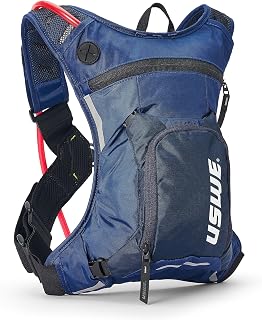
 Lightweight Hydration Backpack
- Warranty Description: 365 days
- Item Dimensions W x H: 11.8"W x 16.5"H
- Capacity: 12 liters
At 8.5 ounces it adds almost no extra weight
Leakproof bite valve keeps water from dripping unused
Multiple small pouches organize phone keys and extras
Bladder holds only 2 liters for longer outings
Carries only up to 25 pounds of total load



As an Amazon Associate we earn from qualifying purchases at no extra cost to you.
As an Amazon Associate we earn from qualifying purchases.
🛒 Best Price Today on Amazon
Prime members get fast, free shipping on everything above, plus member-only deals. New members get a 30-day free trial — cancel anytime.
Start 30-Day Prime Free Trial →See Today’s Amazon DealsHow to Choose the Best Hydration Pack for MTB
Choosing the best hydration pack for MTB comes down to four things: how much water and gear you carry, how stable it rides, what features it offers, and how well it breathes. Here is how each factor plays out once you drop into the trail.
Capacity and Reservoir Size
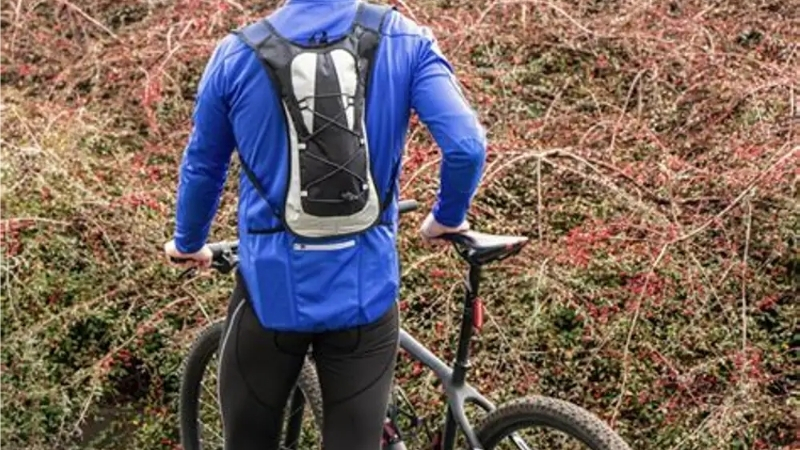
Match volume to ride length. Short cross-country laps pair well with a compact 8-liter pack or a 2.5-liter vest, while all-day enduro rides call for 11 to 14 liters of gear space plus a full 3-liter reservoir for water, tools, food, and an extra layer.
Reservoir capacity is its own decision. Vest-style packs like the CamelBak Chase carry around 1.5 liters, enough for shorter efforts, while the Osprey Raptor 14 and CamelBak M.U.L.E. Pro pack 2.5 to 3 liters for longer days. Bigger is not always better if the extra water just adds bounce.
Stability and Fit
A pack that shifts on a rock garden is miserable. Look for compression straps, a lower center of gravity, and a snug hip belt that carries load on your hips rather than your shoulders. The Osprey Raptor’s wide, stable hip belt is a big reason it stays put on chunky terrain.
Vest and lumbar designs take stability further. Vests like the Chase hug your torso so closely that many riders forget they are wearing one, while lumbar packs such as the CamelBak Skyline LR shift water weight low to your hips for extra composure on rough, fast trails.
Features: Tools, Helmet, and Hose Management
The right features keep you rolling. A dedicated tool roll, a magnetic hose clip that keeps the bite valve within reach, hip-belt pockets for snacks and a phone, and a helmet carrier are the details that separate a true MTB pack from a generic daypack.
Back protection is the premium upgrade. Packs like the Evoc Trail Pro build in a certified spine protector for steep, consequential lines, though it adds warmth. Note that some packs, Evoc among them, sometimes sell the reservoir separately, so check whether a bladder is included.
Prices and the Best Time to Buy
Prices are climbing. New tariffs have pushed outdoor and cycling-gear costs up roughly 7.7 percent, with technical fabrics and components higher still, so packs that once sat comfortably in budget now edge toward the next bracket at full retail.
Timing helps you save. The Black Friday and Cyber Monday sales in late November, plus end-of-season bike-gear clearance, are when the best hydration pack for MTB deals appear. Buying in those windows can drop a premium protective pack into more reasonable territory.
If a pack already fits your riding, buying earlier locks in stock and today’s price before demand and further tariff increases push it higher. It is also smart to factor in a spare reservoir, since replacing a worn bladder is cheaper than replacing the whole pack later on.
Top Picks: The Best Hydration Pack for MTB Right Now
These five packs span minimalist vests to protective enduro haulers. The table lists the headline specs, and the notes below explain who each one suits and where it gives something up in weight, breathability, or price.
| Model | Gear / Water | Reservoir | Standout Feature | Best For |
|---|---|---|---|---|
| Osprey Raptor 14 | 14L / 2.5L | Included | Stable hip belt | Best overall |
| CamelBak Chase Vest | 2.5L total / 1.5L | Included | No-bounce vest fit | Short XC rides |
| CamelBak M.U.L.E. Pro 14 | 11L / 3L | Included | All-day storage | Enduro gear hauling |
| Evoc Trail Pro 10 | 10L / varies | Often separate | Spine protector | Back protection |
| CamelBak Skyline LR 10 | 10L / 3L | Included (lumbar) | Low center of gravity | Rough-trail stability |
Osprey Raptor 14 – Best Overall
For most riders, this is the best hydration pack for MTB across the board. It pairs 14 liters of gear space with an included 2.5-liter reservoir, a BioStretch harness and wide, stable hip belt with snack pockets, a magnetic hose clip, a LidLock helmet carrier, and a removable tool roll for tidy organization.
The trade-offs are price and size: it is a premium pack, and 14 liters is more than short cross-country laps need. But its wide hip belt keeps it planted on chunky terrain, and Osprey’s long track record and all-inclusive feature set make it the most well-rounded pick for trail and all-day rides.
The details reward long days: stretch-mesh dividers keep the main compartment organized, the hip-belt pockets swallow snacks and a phone, and the magnetic bite-valve clip keeps hydration a quick reach away. It is comfortable enough that many riders barely notice it when fully loaded.
CamelBak Chase Vest – Best for Short XC Rides
Fast, light riders get the most here. The Chase is a vest-style pack, around 2.5 liters total with a 1.5-liter reservoir, whose wide shoulder harness distributes weight so well and hugs your torso so closely that it stays rock-stable on gnarly terrain, with quick-reach pockets for phone and snacks.
Its honest limits are capacity and a known quirk: with a full bladder there is little room for gear, and some riders note only one side has zippered chest pockets, so items can fall out of the open side. For enduro laps and shorter rides where you carry minimal kit, though, its no-bounce fit shines.
CamelBak M.U.L.E. Pro 14 – Best for Enduro Gear Hauling
All-mountain riders who carry a lot should look here. The M.U.L.E. Pro 14 offers 11 liters of gear plus a full 3-liter reservoir, a ventilated back panel, a magnetic tube trap, a tool organizer, and attachment points for a helmet and body armor, making it a true all-day enduro hauler.
Its compromises are a side-load reservoir that is fiddly to insert when the pack is stuffed, and more warmth than a minimalist vest. But for long days that demand water, tools, food, and protective gear all at once, its capacity and organization are exactly what the ride calls for.
Evoc Trail Pro 10 – Best for Back Protection
Riders tackling steep, consequential lines get the most from this one. The Trail Pro 10 builds a certified LITESHIELD PLUS spine protector into a light 10-liter pack, adds an intuitive two-step zip system, a dedicated tool pocket, and gear loops, and backs it with a crash-replacement guarantee.
Two honest caveats: the spine protector reduces airflow, so it runs warmer than standard packs, and Evoc often sells the reservoir separately, so budget for a bladder. For riders who want real back protection with smart storage in a lightweight package, though, it offers standout value.
CamelBak Skyline LR 10 – Best for Rough-Trail Stability
Riders who hate pack sway should consider this one. The Skyline LR 10 uses a lumbar reservoir with integrated compression that shifts the bulk of the water weight low against your lower back, boosting stability on rough trails, and adds a magnetic tube trap, tool roll, and ventilated mesh harness.
The lumbar layout takes some getting used to, and gear volume is a bit tighter than a top-loading pack of similar size. But for riders who prioritize a low, planted center of gravity and a cool back on fast, technical descents, its stability advantage is genuinely noticeable.
Frequently Asked Questions
Still weighing the best hydration pack for MTB for your rides? These common questions cover pack size, vest versus backpack, reservoirs, and cleaning to keep your water tasting fresh.
What size hydration pack do I need for mountain biking?
Match size to ride length. Short cross-country laps suit an 8-liter pack or a 2.5-liter vest, while all-mountain and enduro rides want 11 to 14 liters plus a 3-liter reservoir for water, tools, food, and a layer. Most riders find 11 to 14 liters the sweet spot for all-day versatility.
Is a hydration vest better than a backpack for MTB?
It depends on how much you carry. Vests like the Chase hug the torso and barely move, ideal for short, fast rides with minimal gear. Backpacks like the Raptor 14 carry far more water and kit for long days. Choose a vest for speed, a pack for capacity and features.
Do MTB hydration packs come with a reservoir?
Usually, but not always. Osprey and CamelBak packs typically include a bladder, while some brands like Evoc often sell the reservoir separately. Always check the listing before buying, and budget for a bladder if one is not included so you are not caught out on your first ride.
How do I clean a hydration reservoir?
Rinse it after every ride, use warm water with mild soap or cleaning tablets for deeper cleans, and scrub the hose with a brush kit. Dry it fully with the bladder propped open, or store it in the freezer between rides, to prevent mold and keep your water tasting fresh.
See More:
- Double sleeping bag best
- Best brand of sleeping bag
- Best low cost hiking boots
- Best winter hiking boots for men
- Best bargain hiking boots
Final Thoughts
The best hydration pack for MTB comes down to your ride: the Osprey Raptor 14 for all-around versatility, the CamelBak Chase for fast, light laps, the M.U.L.E. Pro for enduro hauling, and the Evoc Trail Pro for back protection. With cycling-gear prices rising under new tariffs, buying the right pack early or during a known sale window is the surest way to lock in the capacity, stability, and features you need at a fair price.




Write Your Review
No reviews yet. Be the first to share your experience!