
Key takeaways
Best cooling cooler shopping now splits two ways: powered electric fridges that hold an exact temperature without ice, and rotomolded ice boxes that need no battery. This guide ranks six across both types by cooling power, runtime and simplicity, so you get maximum cold for the way you travel and camp.
Our top picks


As an Amazon Associate we earn from qualifying purchases at no extra cost to you.
As an Amazon Associate we earn from qualifying purchases.
🛒 Best Price Today on Amazon
Prime members get fast, free shipping on everything above, plus member-only deals. New members get a 30-day free trial — cancel anytime.
How to Choose the Best Cooling Cooler
The best cooling cooler depends on whether you have power and how precisely you need to hold temperature. These four criteria sort electric fridges from passive ice boxes for your trips.
Electric vs Passive Cooling
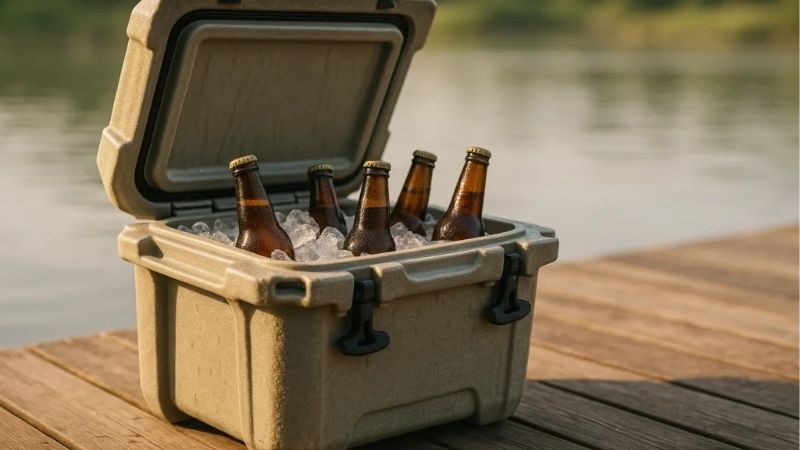
For the best cooling cooler, the big choice is power. Electric coolers use a compressor to hold an exact temperature and eliminate ice entirely, ideal for vehicle trips and van life, while passive rotomolded boxes need no power and just rely on ice and insulation.
If you only chill drinks and never need to freeze, a passive cooler or even a cheaper thermoelectric unit does the job for far less. Choose electric when you want consistent, ice-free cold over multiple days with power access.
Cooling Power and Range
Electric models cool fast and deep. Strong units drop from 77 to 32 degrees Fahrenheit in around 15 minutes and reach as low as negative 4 degrees, so they double as freezers, and dual-zone models can chill and freeze at once.
Passive boxes cannot hit those numbers but reward good technique. Pre-chilling, a 2:1 ice-to-food ratio and limiting lid openings push a rotomolded box to 10-plus days of ice in mild weather.
Runtime, Power and Weight
Electric coolers add batteries and weight. Battery-integrated models can run around two days at fridge temperatures on a single pack and recharge via AC, DC, solar or USB-C, but they are heavy, often 50-plus pounds empty.
Passive boxes are simpler and lighter for the cooling they provide, with no power to manage. Weigh the convenience of ice-free electric cold against the extra weight, cost and charging a compressor cooler demands.
Capacity and Organization
Size to people and days. Compact 20 to 30-quart units suit solo trips and tight vehicles, while 40 to 55-quart models handle families and longer outings. Baskets and shelves keep an electric cooler organized so you find items fast.
For passive boxes, remember the ice ratio reduces usable food space. Whichever type you choose, match capacity to your real load rather than the largest number on the shelf.
Top Picks for the Best Cooling Cooler
These six coolers span electric fridges and passive ice boxes, all currently on Amazon. The table snapshots cooling type before the detailed picks.
| Cooler | Type | Cooling | Notes | Best For |
|---|---|---|---|---|
| Dometic CFX2 45 | Electric compressor | Precise, ice-free | App, great insulation | Van life / road trips |
| Anker SOLIX EverFrost 2 40L | Electric + battery | 32F in ~15 min, -4F low | ~52 hr runtime, wheels | Off-grid camping |
| BougeRV 23 Quart | Electric compressor | Fast, efficient | 36-45W, under 1 kWh/day | Compact / value electric |
| Yeti Tundra 45 | Passive rotomolded | Up to 10 days ice | No power needed | Max passive cold |
| RTIC 65 | Passive rotomolded | ~10 days ice | ~$125 less than Yeti | Value passive |
| Igloo BMX 52 | Passive blow-molded | ~5 days ice | Budget-rugged | Weekend budget |
Dometic CFX2 45
The Dometic CFX2 45 is the best all-around electric cooling cooler. Its compressor holds a precise temperature with excellent insulation and no ice, and it adds an internal light and a smart app, making it a reliable portable fridge for campers and van lifers.
It is not the most portable unit and runs premium-priced, and it needs a power source. For anyone who wants set-and-forget cold on vehicle trips, it is the top pick.
Anker SOLIX EverFrost 2 40L
The Anker SOLIX EverFrost 2 is the best battery-integrated cooler for off-grid use. Its powerful compressor cools from room temperature to 32 degrees in about 15 minutes and reaches negative 4, and a 288Wh battery delivers roughly 52 hours at fridge temps, rechargeable by AC, DC, solar or USB-C.
At about 56 pounds it is heavy, though 6-inch wheels and a retractable handle help, and real-world runtime drops with frequent openings. For camping without reliable power, it is the ice-free standout.
BougeRV 23 Quart
The BougeRV 23 Quart is the compact, value electric pick. It cools quickly and holds stable temperatures even with frequent lid openings, drawing just 36 to 45 watts for under 1 kWh per day, and its small footprint fits behind car seats.
Its smaller capacity suits solo travelers and couples more than groups. For dependable, efficient ice-free cooling without bulk or a big price, it delivers excellent value.
Yeti Tundra 45
The Yeti Tundra 45 is the passive cooling champion for trips without power. Rotomolded with thick foam, it held ice the full 10 days in field testing, so it keeps food cold for a long weekend with no battery to manage.
It is premium-priced and heavy for its size, and it relies on ice rather than a set temperature. For campers who want maximum passive cold and total simplicity, it is the benchmark.
RTIC 65
The RTIC 65 is the value route to premium passive cooling. Built with the same rotomolded process and polyurethane foam as pricier rivals, it confirms roughly 10 days of ice while costing about $125 less and adding 20 quarts of capacity.
You give up brand prestige and official bear certification, and latches can feel stretchy. For campers who want long passive cold per dollar and no power to worry about, it is a standout.
Igloo BMX 52
The Igloo BMX 52 is the budget passive option. This blow-molded box holds ice about 5 days, offers 52 quarts, and adds cup holders and sturdy side handles at a price far below rotomolded or electric coolers.
It will not match a Tundra past day five or an electric fridge’s precision. For weekend trips where 5 days of ice is enough, it is excellent value.
What Tariffs and Camping Season Mean for Buyers
A cooling cooler, electric or passive, is a multi-year buy, so 2026 pricing and timing matter when choosing the best cooling cooler for your trips.
Materials and Components Cost More
Coolers rely on foam and molded plastic, and specialty foams have risen 10 to 15 percent under new tariffs, inside a roughly 7.7 percent overall increase per an Outdoor Industry Association survey. Electric models add compressors and batteries, which face their own component inflation.
With brands now calling future prices estimates, buying the cooling type you want now beats waiting on an uncertain discount. Battery-integrated electric coolers are the most exposed to component pricing.
Buy Ahead of Peak Trips
Late summer and fall camping keep demand high, and both premium ice boxes and electric fridges sell through before season’s end. Buying early means the model and capacity you want are in stock, not back-ordered.
An early buy also lets you test an electric cooler’s runtime and charging, or pre-chill and pack-test a passive box, before a trip depends on it. No campsite is the place to learn a new system.
Time It With the Deal Calendar
If your trip can wait, October Prime Big Deal Days and Black Friday bring the deepest cuts on rotomolded boxes and electric coolers alike. A shortlist plus price tracking lets you grab strong cooling at its best price.
For trips coming up soon, buy now rather than gamble on a sale. Popular models sell through in peak season, and a discount you cannot order does nothing for your trip.
Frequently Asked Questions
These questions come up most when shoppers compare cooling coolers.
Electric or passive cooler for camping?
The best cooling cooler for camping is electric for precise, ice-free cold when you have power on vehicle trips or van life. Choose a passive rotomolded box for simplicity, lower cost and no power needs, using ice and good packing for multi-day cold.
How cold do electric coolers get?
Strong compressor models cool from 77 to 32 degrees in about 15 minutes and reach as low as negative 4 degrees, so many double as freezers. Dual-zone units can chill and freeze at the same time.
How long does an electric cooler run on battery?
Battery-integrated models run roughly two days at fridge temperatures on a single pack, though real-world runtime drops with frequent openings and heat. Recharge via AC, DC, solar or USB-C to extend off-grid use.
Do I really need electric to keep things cold?
Not always. A rotomolded box with pre-chilling and a 2:1 ice-to-food ratio holds ice 10-plus days in mild weather. Go electric only if you want a set temperature, freezing, or ice-free convenience with power.
See More:
Final Thoughts
The best cooling cooler is the one that matches your power access and how precisely you need to hold cold. Reach for the Dometic CFX2 45 or Anker EverFrost 2 for ice-free electric cooling, or the Yeti Tundra 45 and RTIC 65 for simple passive cold, and buy ahead of peak season given rising material and component costs. Match the cooling type to your trips and your drinks stay cold every time.

Write Your Review
No reviews yet. Be the first to share your experience!