
Key takeaways
The best cooler bags keep drinks and food cold for days while packing lighter and softer than a hard cooler, so they slip into a truck bed, a boat, or a daypack. This guide compares six tested 2026 soft-sided coolers across ice retention, capacity, leakproofing, and portability, so you can match a bag to road trips, the water, or daily lunches rather than guessing.
As an Amazon Associate we earn from qualifying purchases.
🛒 Best Price Today on Amazon
Prime members get fast, free shipping on everything above, plus member-only deals. New members get a 30-day free trial — cancel anytime.
Start 30-Day Prime Free Trial →See Today’s Amazon DealsHow to Choose the Best Cooler Bags
The best cooler bags match insulation, size, and closure to how and where you carry cold food and drinks. Before comparing models, weigh four levers that decide performance: insulation and ice retention, capacity and portability, closure and leakproofing, and durability. Get these right and your food stays cold wherever you go.
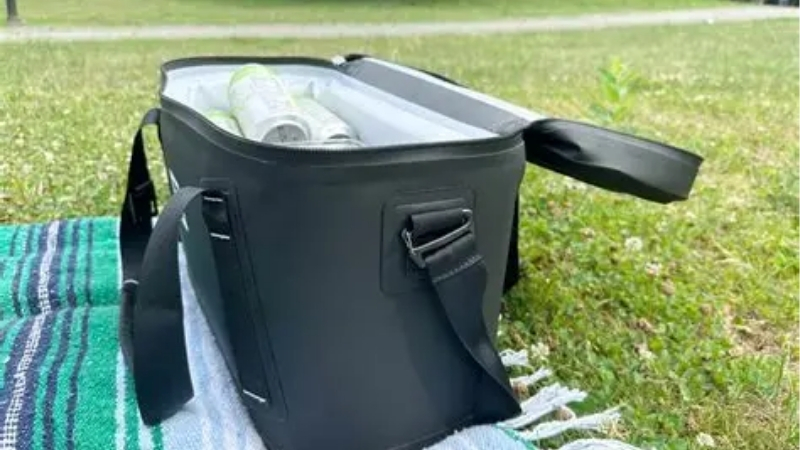
Insulation and Ice Retention
Thick closed-cell foam walls are what let a soft cooler rival a hard one, blocking air and holding cold for days. Premium models retain ice for three to four days in real-world testing, far beyond cheap lunch bags.
A reinforced, high-density foam base matters too, since the bottom is the main contact point with heat. A sturdy base keeps walls from collapsing, which prevents air gaps and slows ice melt.
Capacity and Portability
Capacity, often rated in cans, should match your trips, from a 12-to-16-can lunch bag to a 30-to-40-can road-trip hauler. Larger bags hold more but grow heavy and bulky when loaded with ice.
Consider carry style, since tote handles suit short hauls while backpack straps free your hands on the trail. Match the size and carry to your typical outing rather than defaulting to the biggest bag.
Closure and Leakproofing
Closure design shapes both insulation and convenience. Airtight waterproof zippers seal in cold and resist leaks but can require real force, while roll-top and zipperless designs open easily and stay watertight.
A leakproof, waterproof build lets a cooler ride in a boat or truck without soaking your gear, and some even float. If you are on the water often, prioritize a fully sealed, buoyant design.
Durability
A rugged outer fabric and welded or reinforced seams help a cooler survive rough handling, sun, and years of use. Flimsy bases and thin fabrics cave in and wear out fast under a heavy, icy load.
Check straps and attachment points, since cheap plastic hardware is a common failure spot. A well-built cooler costs more but pays off over seasons of trips and abuse.
Buying a Cooler Bag in 2026: Prices and Timing
Beyond specs, timing shapes what you pay for the best cooler bags in 2026. Material costs have climbed, and summer demand swings prices, so a little planning stretches your budget.
Tariffs and Material Costs
Outdoor gear makers reported broad input-cost increases this year, with technical fabrics and foam among materials seeing higher costs. Brands have described some new prices as estimates that may shift as trade conditions change.
The practical upshot is that premium coolers are unlikely to get much cheaper at full retail. When a bag you want appears at a fair price, buying can beat waiting for a discount that may not undercut a rising baseline.
Seasonal Timing
Cooler demand peaks in late spring and summer, so the deepest discounts often land off-season in fall and winter or during end-of-summer clearance. Popular sizes and colors sell through first once warm weather arrives.
Major sales windows, including October’s Prime Big Deal Days and the late-November Black Friday and Cyber Monday stretch, typically deliver strong cooler deals as the season winds down.
Buy Early for the Season
If you want a cooler ready for summer trips, buy before the spring rush rather than the week of your outing, when popular models thin out and prices firm. Off-season shopping often lands the best value.
Buying early also lets you pre-chill and test the cooler at home, so you learn how much ice it needs and how long it holds cold before it matters.
Top Picks: The Best Cooler Bags Reviewed
These six picks for the best cooler bags span a premium best-in-class performer, a value ice-retention champ, a rugged waterproof hauler, a roll-top water companion, and budget lunch options. The table gives a quick overview, then each review covers who it suits and its trade-offs.
| Model | Capacity | Strength | Best For | Price Tier |
|---|---|---|---|---|
| YETI Hopper Flip 12 | 12 cans | Insulation, durability | Best overall | Premium |
| RTIC Soft Pack 20 | 20 cans | Ice retention, value | Value pick | Mid |
| OtterBox Trooper 20 | 20 cans | Rugged, sealed | Waterproof hauler | Premium |
| IceMule Classic | Roll-top | Buoyant, packable | On the water | Mid |
| Coleman Chiller 16-Can | 16 cans | Lightweight, cheap | Daily lunch | Budget |
| Arctic Zone Titan Deep Freeze 30 | 30 cans | Zipperless closure | Family day trips | Budget |
YETI Hopper Flip 12
The Hopper Flip 12 is our best overall, a premium soft cooler with top-tier insulation, a leakproof waterproof build, and rugged durability that survives years of hard use. Its airtight zipper and molded base hold cold impressively.
The zipper takes real force and the price is steep. For a compact, bombproof cooler that keeps ice for days, it sets the benchmark others chase.
RTIC Soft Pack 20
The RTIC Soft Pack 20 is our value pick, delivering ice retention near four days from thick closed-cell foam walls at a fraction of premium prices. It is leakproof, waterproof, and buoyant, ideal for road trips and the water.
Its insulation trails the very best hard coolers and the zipper needs force. For reliable, affordable cold that rivals pricier bags, it is hard to beat.
OtterBox Trooper 20
The OtterBox Trooper 20 is our rugged waterproof hauler, built tough with a sealed design and comfortable carry for demanding trips. It ranked among the top contenders in testing for durability and cooling.
It costs a premium and is heavier than lunch-sized bags. For adventurers who want a sealed, hard-wearing cooler for the outdoors, it is a dependable, protective choice.
IceMule Classic
The IceMule Classic is our on-the-water pick, a roll-top, backpack-style cooler that stays watertight, floats, and packs down when empty. Its dry-bag closure is easy to open and seals securely for paddling and beach days.
Roll-top designs offer less structure than boxy coolers and can hold less for their size. For kayakers, paddlers, and hikers who want a buoyant, packable cooler, it shines.
Coleman Chiller 16-Can
The Coleman Chiller 16-Can is our daily lunch pick, a lightweight, inexpensive soft cooler with handy extra pockets that make it an easy grab-and-go. It is the golden ticket of blue-collar lunch boxes.
It is smaller than it looks, less insulated, and not leakproof. For everyday lunches and short outings where budget and convenience matter most, it does the job well.
Arctic Zone Titan Deep Freeze 30
The Arctic Zone Titan Deep Freeze 30 is our family day-trip pick, with a zipperless snap-top closure secured by strong Velcro that opens easily while sealing in cold. Its 30-can capacity suits group outings.
It is less rugged than premium sealed coolers and better for casual use. For families who want easy access and solid capacity at a budget price, it is a practical choice.
Frequently Asked Questions
Quick answers to the questions buyers ask most when choosing the best cooler bags for trips, the water, and daily use.
How long do soft coolers keep ice?
Premium soft coolers with thick closed-cell foam retain ice for roughly three to four days in favorable conditions, while budget lunch bags manage only hours. Pre-chilling the cooler, using block ice, minimizing openings, and keeping it out of direct sun all extend how long your ice lasts.
Can I use dry ice in a soft cooler?
No, dry ice should not be used in most soft coolers, since its extreme cold can damage the foam and liner and it needs ventilation that sealed coolers lack. Stick to regular ice or ice packs, and check the manufacturer’s guidance before using anything colder than standard ice.
Soft cooler or hard cooler?
Soft coolers are lighter, more packable, and easier to carry, making them great for day trips, lunches, and the water. Hard coolers hold ice longer and take more abuse, suiting long trips and base camps. Choose a soft cooler for portability and a hard one for maximum, multi-day ice retention.
How do I make ice last longer?
Pre-chill the cooler and its contents, use block ice or frozen packs alongside cubes, and pack it full to reduce warm air space. Keep the cooler in shade, limit how often you open it, and drain melted water only if it is warming the contents, since cold water still helps.
See More:
- Best shoes for trail running
- Best rated binoculars for hunting
- Best waterproof boots for hiking
- best waterproof rain jacket women
- sleeping pad best
Final Thoughts
Choosing the best cooler bags comes down to matching insulation, capacity, and closure to how and where you carry cold food rather than chasing one feature. The YETI Hopper Flip 12 leads overall, the RTIC Soft Pack 20 delivers value, and the OtterBox Trooper 20 hauls rugged and sealed, while the Coleman Chiller covers daily lunches. Buy ahead of summer, pre-chill before trips, and any of these six will keep your food and drinks cold.
Our top picks


 Maelstrom 30Can Collapsible Soft Cooler Bag
- Warranty Description: 2 year warranty
- Insulation Material Type: PEVA
- Capacity: 22 liters
Five insulated layers keep contents cold for 24 hours
Three carrying options include strap handle and shoulder
Folds flat for compact storage when empty
Holds a fixed 22 liters, not expandable
Soft sides offer less rigid protection for contents
As an Amazon Associate we earn from qualifying purchases at no extra cost to you.


Write Your Review
No reviews yet. Be the first to share your experience!