Key takeaways
- Budget: $8 to $15. Small 5-ounce DWR sprays, basic spot treatments, and compact repair supplies fit this range. They are appropriate for a small tent, a few worn panels, or emergency maintenance.
- Midrange: $16 to $25. Larger DWR sprays, such as a 16.9-fluid-ounce bottle around $17.95 or a 500-milliliter product around $19.95, make more sense for full rainfly treatment and multiple items. A two-pack of coating sealer around $22.75 can cover a more involved repair.
- Premium or complete repair: $26 to $50 or more. This range may include enough product for a large family tent, several applications, specialty fabric compatibility, or a combination of seam sealer and DWR. The higher price is worthwhile only when it matches the repair rather than simply offering a larger container.
What's inside
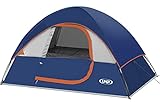
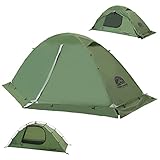
Choosing tent waterproofing is less about finding the thickest coating and more about matching the treatment to the fabric, seams, and type of failure you are trying to fix. One of the most common mistakes is spraying a rainfly when the real leak is coming through a seam, zipper, floor, or damaged polyurethane coating. Another is applying a water-repellent product to a tent that needs a true fabric sealant. The wrong formula can reduce breathability, leave a sticky finish, or fail after the first serious storm.
This guide explains what to look for in tent waterproofing in 2026, including treatment type, fabric compatibility, coverage, application, price, and practical buying details. The goal is not simply to make water bead on the surface; it is to restore the part of the shelter that is actually letting moisture through.
As an Amazon Associate we earn from qualifying purchases at no extra cost to you. Product prices and availability are accurate as of the date shown and are subject to change.


Decide These 3 Things First
- Identify the leak. Surface wetting on a rainfly usually calls for a durable water repellent, or DWR, treatment. Pinholes, peeling coating, and leaking seams require a fabric sealant or coating repair product.
- Check the fabric. Nylon, polyester, canvas, and polyurethane-coated materials do not all respond identically to the same treatment. Read the tent label and the product instructions before applying anything.
- Measure the job. A 5-ounce spray may be sensible for a small backpacking shelter or spot treatment, while a 16.9-ounce bottle is more practical for a family tent, rainfly, and additional gear. For seam or coating repair, estimate the area rather than buying by bottle size alone.
1. Size and Coverage
Size matters in two ways: the size of the tent and the size of the repair. A two-person backpacking tent may have a rainfly and floor totaling roughly 60 to 100 square feet, while a six-person tent can expose 150 to 250 square feet or more of fabric. A larger shelter may need multiple bottles of spray, especially if the treatment is being applied to the exterior of a rainfly and other gear.
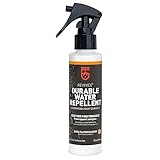
Small containers are useful when you are refreshing one panel, treating a daypack, or repairing a few worn areas. For example, a 5-fluid-ounce DWR spray priced around $9.95 is convenient for a compact job and easier to store in a repair kit. A 16.9-fluid-ounce bottle priced around $17.95 generally offers better value when you are treating a complete rainfly or several pieces of gear.
Do not confuse liquid volume with guaranteed square-foot coverage. Coverage depends on fabric absorbency, spray pattern, application thickness, and how much product is lost around seams and edges. The label’s stated coverage is more useful than a simple ounces-to-area calculation. For a seam product, a specific figure is more meaningful: GEAR AID Seam Grip TF, for example, is listed to treat up to 85 square feet and comes in a 4-ounce, two-pack configuration. That type of product is intended for coating or sealing work, not a quick all-over water-repellent refresh.
2. Material Compatibility
Fabric identification is one of the most important parts of what to look for in tent waterproofing. Polyester and nylon rainflies often use a factory-applied silicone or polyurethane coating. Canvas tents may need a treatment designed for heavier, more absorbent fabric. A DWR spray can improve surface beading, but it cannot automatically replace a missing polyurethane layer.
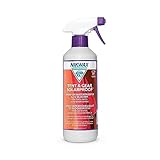
Look for explicit references to your material and intended use. Products such as Nikwax Tent & Gear and Tent & Gear SolarProof are marketed for outdoor fabric, rainflies, canvas, and related equipment. Solar protection can be useful for tents that remain exposed at campsites for days, since ultraviolet exposure can degrade fabric and coatings over time.
Be especially careful with silicone-coated nylon. Some sealants adhere poorly to silicone unless they are specifically formulated for it. Likewise, a polyurethane coating repair product should not be assumed to work on every silicone-treated surface. If the tent manufacturer specifies a particular coating type, follow that guidance. Test any treatment on a hidden 2-inch section first and allow it to dry completely before judging adhesion, color, or texture.
3. Construction and the Source of the Leak
Tent waterproofing is often a construction problem rather than a fabric problem. Water can enter through needle holes in stitched seams, worn seam tape, pinholes in the floor, failed zipper garages, or a rainfly that has lost its surface finish. Inspect the tent indoors with a flashlight or outdoors during a controlled spray test.
For seams, choose a product labeled as seam sealer or fabric sealer. Apply it to clean, dry fabric, concentrating on stitched lines and high-stress points. A thin, even bead is usually preferable to a thick ridge that adds weight and remains tacky. Allow at least 12 to 24 hours of curing time unless the label specifies otherwise, and keep the tent ventilated during application.
If the inside of a polyurethane-coated rainfly or floor is flaking, gummy, or visibly peeling, a simple DWR spray is unlikely to solve the problem. The deteriorated coating may need to be removed and replaced. A product such as Seam Grip TF is intended for restoring polyurethane coating on nylon floors, rainflies, and tarps, with the two-pack priced around $22.75. That is a different repair category from a surface-repellent spray.
4. Comfort and Performance
Waterproofing should not create a shelter that feels clammy or smells strongly for days. For tents with significant condensation risk, prioritize a treatment that is designed to preserve fabric breathability rather than forming an unnecessarily heavy film. This matters most in humid weather, mild temperatures, and small backpacking tents where ventilation is limited.
Check whether the product is a spray-on treatment, wash-in treatment, or sealant. Spray-on DWR products are easier to target and reduce the chance of treating areas that should remain more breathable. Seam sealers are thicker and more localized. A coating restoration product may change the feel of the fabric, so it should be applied only where the original waterproof layer has failed.
Also consider drying time and odor. A tent treated at home may need 12 to 24 hours before packing, and some products require longer curing in cool or humid conditions. Avoid packing fabric while it is tacky or damp; doing so can encourage mildew, transfer product to other panels, or cause fabric layers to stick together.
5. Price Tiers
Most tent waterproofing purchases fall into three practical price tiers:
- Budget: $8 to $15. Small 5-ounce DWR sprays, basic spot treatments, and compact repair supplies fit this range. They are appropriate for a small tent, a few worn panels, or emergency maintenance.
- Midrange: $16 to $25. Larger DWR sprays, such as a 16.9-fluid-ounce bottle around $17.95 or a 500-milliliter product around $19.95, make more sense for full rainfly treatment and multiple items. A two-pack of coating sealer around $22.75 can cover a more involved repair.
- Premium or complete repair: $26 to $50 or more. This range may include enough product for a large family tent, several applications, specialty fabric compatibility, or a combination of seam sealer and DWR. The higher price is worthwhile only when it matches the repair rather than simply offering a larger container.
Compare price per ounce only after confirming that the products perform the same job. A $10 DWR spray is not necessarily cheaper than a $23 seam sealer if the fabric has a failed coating that requires the latter.
6. Warranty and Product Support
Waterproofing treatments rarely carry the same long warranties as tents, but packaging and manufacturer support still matter. Look for a clearly printed use case, fabric list, application instructions, cure time, storage guidance, and expiration or shelf-life information when provided.
Keep the receipt and record the product used, application date, and areas treated. This is especially helpful if a tent is still under its original manufacturer warranty. Applying an incompatible coating can complicate a warranty claim, while a documented, approved maintenance product is easier to explain.
A reputable product should also provide a customer-service contact and clear warnings about ventilation, skin contact, flammability, or use on coated fabrics. Avoid containers with missing instructions, damaged seals, or labels that promise universal waterproofing without naming compatible materials.
7. Delivery and Application Logistics
Waterproofing is a small purchase, but delivery timing can affect whether the tent is ready for a trip. Order at least three days before you need to apply it, and allow another 12 to 24 hours for drying or curing. In cool weather, a garage may be too cold; in a poorly ventilated room, the odor may be unpleasant or unsafe.
Check the container size before ordering. A 5-ounce bottle is easy to ship and store, while a 16.9-ounce bottle may be more economical for a full-size tent. Confirm that the cap or sprayer is secure and that the package includes any required applicator. You generally do not need assembly, but you may need a clean work surface, gloves, masking tape, a soft brush, and enough space to pitch or spread the tent fully.
Spec Checklist
| Spec | Budget | Mid | Premium |
|---|---|---|---|
| Typical price | $8–$15 | $16–$25 | $26–$50+ |
| Container size | 5 fl oz or smaller | 16.9 fl oz or 500 ml | Multiple bottles or 24 fl oz+ |
| Best use | Spot treatment or small shelter | Full rainfly or several items | Large tent or complete repair |
| Product type | DWR spray | DWR spray or seam sealer | Coating repair plus seam treatment |
| Repair area | A few seams or panels | One rainfly or floor | Large sections, up to 85 sq. ft. for some sealers |
| Drying expectation | 12–24 hours | 12–24 hours | 24 hours or longer for thick coatings |
Red Flags
- The product claims to waterproof every fabric but does not name nylon, polyester, canvas, polyurethane, or silicone compatibility.
- The label gives no coverage guidance, cure time, ventilation instructions, or application method.
- You are being advised to use DWR spray on peeling, sticky, or missing polyurethane coating.
- The container is far too small for the tent’s estimated fabric area, forcing an uneven application.
- The treatment leaves the fabric permanently tacky, transfers color, or remains strongly odorous after the stated cure time.
- The seller provides no batch information, damaged packaging, or customer-support details.
FAQ
Is DWR spray enough to waterproof a tent?
It is enough when the fabric coating is intact but water no longer beads on the surface. It will not reliably repair leaking seams, pinholes, or peeling polyurethane. Diagnose the failure before choosing the product.
How often should I reapply tent waterproofing?
Inspect the tent before each major trip and reapply when water stops beading, the fabric wets out quickly, or seams begin to leak. Frequency depends on sun exposure, abrasion, washing, and storage rather than a fixed calendar schedule.
Can I use jacket waterproofing spray on a tent?
Only if the label specifically lists tents or outdoor gear and is compatible with the tent’s fabric. A product made for breathable jackets may improve surface repellency, but it is not automatically suitable for floors, seams, or coated rainflies.
Should I waterproof the tent inside or outside?
Apply DWR to the exterior surface of the rainfly. Seam sealer is usually applied to the side where the seam or coating is exposed according to the product instructions. Work on clean, fully dry fabric and allow the treatment to cure before packing.