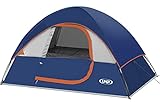
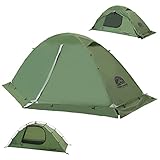
Key takeaways
- A listing says “ventilated” but gives no vent dimensions, locations, or photos.
- All openings are on one wall, preventing meaningful cross-ventilation.
- The rainfly completely covers the mesh with no air gap or upper vents.
- Windows are fixed open with no rain flap, zipper, or closure option.
- The product uses sleeping capacity as its main selling point but provides very little floor area per person.
- There are no interior pulls for roof vents or high windows.
- The frame, vent seams, or zippers look stressed when the pop-up shelter is fully expanded.
- The manufacturer gives no clear warranty, return period, or replacement-parts information.
What's inside
Good tent ventilation is easy to underestimate. Many shoppers compare waterproof ratings, floor space, and setup time, then assume a tent with “windows” will stay comfortable. In practice, a tent can have several openings and still trap heat, condensation, cooking odors, and humidity. The opposite problem is just as common: a highly ventilated shelter may feel drafty, lose warmth at night, or allow wind-driven rain inside.
The key is to evaluate ventilation as a system. Look at where openings are placed, whether they can be adjusted, how air moves from low to high points, and whether the floor and rainfly interfere with airflow. A pop-up privacy or shower tent has different needs from a four-person sleeping tent, so the right choice depends on how and where you camp. Here is what to look for in tent ventilation in 2026, with practical specifications you can compare before buying.
As an Amazon Associate we earn from qualifying purchases at no extra cost to you. Product prices and availability are accurate as of the date shown and are subject to change.


Decide These 3 Things First
1. What kind of tent is it? A shower, changing, or toilet tent needs privacy and rapid moisture removal. A family camping tent needs cross-ventilation for sleeping, cooking odors, and condensation. A tent used for hot-weather beach trips should prioritize large mesh panels and adjustable windows.
2. How many people and how much moisture will be inside? Two adults produce noticeable humidity overnight through breathing. Four people in a compact tent create substantially more condensation. If the shelter will hold wet clothing, a dog, or shower equipment, choose more ventilation than the listed sleeping capacity suggests.
3. What weather will you actually face? Warm, dry conditions call for maximum mesh and wide openings. Cool or rainy conditions require vents that remain usable beneath a rainfly. If you expect temperatures below 45°F, prioritize closable vents and control over airflow rather than the largest possible windows.
Size and Vent Opening Area
Start with the tent’s usable dimensions, not just its advertised capacity. A four-person tent may measure approximately 9 by 7 feet, or 63 square feet, but four adults with bags can make that space feel crowded and humid. For comfortable ventilation, a two-person tent is often best at about 30 to 40 square feet, while a four-person tent should ideally provide at least 55 to 70 square feet.
Look for openings on at least two opposing sides. This creates cross-ventilation instead of relying on one window. A useful baseline is one low intake opening and one higher exhaust opening on each side, although not every tent will provide that exact arrangement. For a four-person tent, aim for combined mesh or vent openings totaling roughly 2 to 4 square feet when fully open.
Height matters, too. Warm air rises, so roof vents positioned 12 to 24 inches below the highest point can release heat more effectively than low windows alone. A standing-height changing tent should have a vent or mesh panel above shoulder level, especially if it will be used for showering. The Wolfwise pop-up shower tent examples are designed for privacy and changing, so compare their window size, position, and ability to remain open while the rain cover is installed rather than counting the product’s single “ventilation window” as a complete airflow system.
Material: Mesh, Fabric, and Rainfly Compatibility
Mesh is the primary ventilation material, but mesh size and placement affect performance. Fine mesh helps block mosquitoes and smaller insects, while coarser mesh generally allows more airflow. For most three-season camping, look for insect mesh covering major sleeping-area openings and at least one ventilation panel that can be exposed without removing the entire rainfly.
Fabric also matters. Polyester is common because it dries quickly and resists stretching when wet. A tent with a coated polyester rainfly can remain waterproof, but tightly sealed fabric reduces passive airflow. Nylon is light and packs small, though it may stretch when wet and require periodic tension adjustments. Neither fabric is automatically better ventilated; the number and design of vents matter more.
Check whether the rainfly leaves a gap between itself and the tent body. A gap of about 2 to 6 inches along the sides can help air circulate while protecting mesh from rain. A rainfly that presses directly against every upper vent may block airflow. For a shower or privacy tent, confirm that the ventilation window is protected by an awning or rain flap. An uncovered mesh panel can defeat the purpose of the shelter during a sudden shower.
Construction and Airflow Design
Good ventilation depends on construction details that are easy to miss in product photos. Look for adjustable vents with zippers, hook-and-loop tabs, or toggles that let you choose between fully open, partially open, and sealed. Fixed mesh is useful in hot weather but less versatile in cool or windy conditions.
Prioritize a low-to-high airflow path. Lower vents bring in cooler air, while upper vents allow warm, damp air to escape. Two side windows at the same height can provide a breeze, but they may not remove humidity as effectively as a combination of side and roof ventilation.
Inspect the seams around every vent. Bound or taped seams reduce water entry, while poorly finished edges can fray after repeated folding. On pop-up tents, check that the flexible frame does not twist the vent closed when the shelter is fully expanded. A compact shower tent priced around $40 may have a useful window, but it may not provide the same structural airflow control as a $90 family tent with multiple panels, a rainfly, and pre-attached poles.
Floor design is part of ventilation, too. A bathtub-style floor helps keep water out but can trap moisture if the walls are completely sealed. For a changing tent, a removable or partially open floor can improve drying. For a sleeping tent, a raised waterproof floor is preferable, provided the upper walls and fly include enough mesh to balance it.
Comfort and Performance in Real Conditions
Ventilation is most valuable when you can control it without leaving the tent. Interior zippers, pull tabs, and reachable roof vent cords are worthwhile features. If you must exit to open a high vent, you may leave it closed during rain or at night, reducing its practical benefit.
In warm weather, prioritize at least 40% to 60% mesh coverage across the upper sleeping area when the rainfly is removed or rolled back. For shoulder-season camping, look for a full fabric option that can close over the mesh. The best setup is not maximum openness; it is adjustable airflow that responds to temperature, wind, and precipitation.
For shower tents, separate wet and dry zones when possible. A vent positioned above the shower area can release steam, while a zippered door preserves privacy. Do not operate a fuel-burning stove, heater, or lantern inside a small changing or shower tent. Ventilation openings do not make a confined shelter safe for combustion equipment.
Battery-powered fans can help in still conditions. A small 2- to 5-watt USB or rechargeable fan may improve comfort in a large tent, but it does not replace exterior airflow. Choose a model with a guarded blade, a battery rated for at least 6 hours, and a secure hanging point. Keep cables and batteries away from shower spray and standing water.
Price Tiers: What You Get for the Money
Budget: $30 to $60. Expect compact pop-up privacy tents or basic two- to four-person shelters. They may include one zippered window, simple mesh, and a carry bag. A product such as a basic Wolfwise pop-up shower tent can be practical for changing or occasional beach use, but check its packed size, vent dimensions, and frame durability before expecting it to serve as a sleeping tent.
Midrange: $60 to $110. This tier commonly adds multiple windows, a rainfly, better seam finishing, larger floors, and faster setup. A four-person instant tent around $90 may offer pre-attached poles and upgraded ventilation, which is useful for families that want quick setup and adjustable airflow.
Premium: $110 to $250 or more. Higher prices can bring lighter fabrics, stronger poles, larger mesh panels, independent roof vents, better weather protection, and more reliable zippers. However, price alone does not guarantee better ventilation. Confirm the actual opening locations and whether the fly can be configured for airflow.
Warranty and Replacement Support
Ventilation components receive frequent use, so warranty coverage matters. Look for at least a 12-month limited warranty covering frame failures, defective zippers, and stitching problems. A longer warranty of 2 to 5 years is more reassuring for a tent intended for regular camping, although normal wear, storm damage, and misuse may be excluded.
Check whether the manufacturer sells replacement poles, clips, rainflies, or carry bags. A broken vent zipper can make a tent uncomfortable even when the main fabric remains intact. Keep your receipt, photograph the tent when first unpacked, and test every vent, window, and zipper before the return period ends.
Delivery and Assembly
Compare both packed and assembled dimensions. A tent that measures 9 by 7 feet when open may fold to approximately 30 by 8 inches, while a pop-up privacy tent can collapse into a circular package roughly 24 to 30 inches across. Confirm that the packed size fits your vehicle and storage space.
Instant tents can take about 60 seconds to several minutes to expand, but they still need staking and rainfly adjustment. Practice once at home. Make sure the vent flaps can be opened after the rainfly is attached and that the poles do not cover mesh panels. For delivery, inspect the box for crushed corners, then check the fabric, frame, guy lines, stakes, and carry bag immediately.
Spec Checklist
| Spec | Budget | Mid | Premium |
|---|---|---|---|
| Typical price | $30–$60 | $60–$110 | $110–$250+ |
| Typical capacity | 1–4 people | 2–6 people | 2–8 people |
| Vent configuration | 1–2 windows or mesh panels | 2–4 adjustable openings | Multiple side vents plus roof or high vents |
| Useful floor area | 20–55 sq. ft. | 30–80 sq. ft. | 35–100+ sq. ft. |
| Typical packed weight | 3–10 lb. | 7–18 lb. | 8–25 lb. |
| Setup target | 1–10 minutes | 1–8 minutes | 2–15 minutes |
| Warranty target | 6–12 months | 12–24 months | 2–5 years |
Red Flags
- A listing says “ventilated” but gives no vent dimensions, locations, or photos.
- All openings are on one wall, preventing meaningful cross-ventilation.
- The rainfly completely covers the mesh with no air gap or upper vents.
- Windows are fixed open with no rain flap, zipper, or closure option.
- The product uses sleeping capacity as its main selling point but provides very little floor area per person.
- There are no interior pulls for roof vents or high windows.
- The frame, vent seams, or zippers look stressed when the pop-up shelter is fully expanded.
- The manufacturer gives no clear warranty, return period, or replacement-parts information.
FAQ
How many vents should a camping tent have?
There is no universal number, but a useful target is at least two adjustable openings on different sides for a small tent, plus a high vent when available. A four-person tent benefits from three or more ventilation points, including at least one opening near the top. Opening size and placement matter more than the raw count.
Should tent vents stay open when it rains?
Usually, yes, if the vents are protected by the rainfly or an exterior awning. Keeping upper vents partially open can reduce condensation. Close them further if wind-driven rain enters, but avoid sealing every opening unless conditions are severe and cold.
Are pop-up shower tents well ventilated enough to sleep in?
Generally, no. A shower or privacy tent may have a window, but it usually lacks the floor area, weather protection, structural support, and balanced airflow needed for sleeping. Use it for changing, showering, or a portable toilet unless the manufacturer specifically rates it for overnight camping.
Can a small fan replace tent ventilation?
No. A 2- to 5-watt fan can improve comfort in still air, but it cannot remove moisture unless damp air has somewhere to escape. Use a fan as a supplement to open, screened vents, and keep electrical equipment away from water and wet floors.