
Key takeaways
What's inside
Best hiking trails in the Smokies lead to misty ridgelines, rocky Appalachian Trail outcrops, and thundering waterfalls. This guide covers six must-do routes with real distances, elevation, and difficulty, plus a rain-ready packing list, so you can match a trail to your fitness and hike Great Smoky Mountains National Park fully prepared for its damp, changeable weather.
As an Amazon Associate we earn from qualifying purchases at no extra cost to you. Product prices and availability are accurate as of the date shown and are subject to change.


As an Amazon Associate we earn from qualifying purchases at no extra cost to you. Product prices and availability are accurate as of the date shown and are subject to change.
🛒 Best Price Today on Amazon
Prime members get fast, free shipping on everything above, plus member-only deals. New members get a 30-day free trial — cancel anytime.
Iconic Ridgeline Trails
These three deliver the Smokies’ signature panoramic views from high, exposed outcrops. They involve real climbing and sometimes slick rock, so wear proper footwear, start early for parking, and carry rain gear, since weather here turns fast. They anchor most lists of the best hiking trails in the Smokies for good reason.
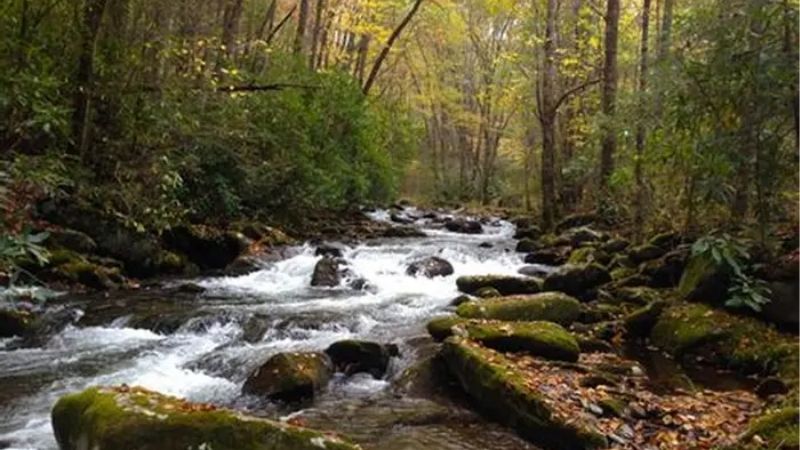
Alum Cave Trail to Mount LeConte
The full climb to Mount LeConte, the park’s third-highest peak at 6,593 feet, runs about 11 miles round trip with roughly 2,763 feet of gain and rates as strenuous. Along the way you pass the tunnel of Arch Rock and the sheltering Alum Cave Bluffs. The lower miles follow a rushing creek through old-growth forest, scenic even if you turn back early.
For a shorter, moderate day, turn around at the bluffs at about 4.6 miles round trip. The upper trail has steep drop-offs and cable handholds, so sure footing and good shoes matter, especially when wet. LeConte Lodge near the summit offers a rustic overnight stay if you book far in advance.
Charlies Bunion
About 8 miles round trip with roughly 1,640 feet of gain, this moderate hike follows the Appalachian Trail from Newfound Gap through spruce-fir forest to a dramatic rocky outcrop. The panoramic views across the Tennessee-North Carolina border are among the best the Smokies can offer without a marathon effort. Much of the route runs level along the ridge, so the effort is spread out rather than brutally steep.
The final outcrop has steep, slick rock and sheer drops, so watch your footing. In cold months, ice is common, and microspikes are strongly recommended for traction. Pack a windbreaker too, since the exposed outcrop catches strong gusts even on mild days.
Chimney Tops
A short but steep 3.3-to-4.2-mile round trip gaining about 1,400 feet, Chimney Tops is strenuous and known for its many stairs. Since the 2016 wildfires, hikers stop at an observation point about a quarter mile from the original pinnacles.
The trail has loose rocks and uneven, root-laced terrain, so proper footwear is a must. Its short length packs a big cardio punch, making it a popular, rewarding half-day climb. Arrive early, as the small trailhead lot fills quickly on weekends and holidays.
Waterfalls and Easier Hikes
The Smokies are famous for water, and these three trade big climbs for cascades and grassy balds, each still delivering the lush, green scenery the range is famous for. They round out the best hiking trails in the Smokies for families and hikers wanting a gentler day.
Andrews Bald
A moderate 3.5-to-3.6-mile round trip on the Forney Ridge Trail from Clingmans Dome (Kuwohi), Andrews Bald gains about 900 feet to the highest grassy bald in the park. Open meadows deliver panoramic views, with wildflowers and berries in season.
The trail was rehabilitated but still has rocky, sometimes muddy sections, so wear sturdy shoes. Because it starts near the park’s high point, temperatures run cooler, so pack a layer. It’s a magical spot near sunset, with open sky in every direction over the meadow.
Rainbow Falls
About 5.4 miles round trip with roughly 1,600 feet of gain, this moderate hike climbs to the highest single-drop waterfall in the Smokies at 80 feet. The well-worn, rehabilitated trail follows LeConte Creek through lush forest.
The rocks near the falls stay wet and slippery, so keep a firm footing for photos. On cold days the spray can freeze into striking ice formations across the cliff. The trail continues toward Mount LeConte for anyone wanting a much longer, tougher day.
Laurel Falls
A paved, roughly 2.6-mile round trip rated easy to moderate, Laurel Falls is one of the park’s most popular family hikes, ending at a lovely two-tiered cascade. Its gentle grade suits kids and casual walkers.
The pavement can be slick when wet, and parking fills early, so arrive at dawn. Keep children close near the falls, where the rocks are slippery and the water is swift. Visit on a weekday morning to enjoy the cascade before the crowds arrive.
What to Pack for the Smokies
The Smokies are humid and rainy, with muddy, root-tangled trails and cool high elevations, so the best hiking trails in the Smokies reward waterproof, layered gear. Here are the essentials, with reliable picks on Amazon.
| Gear | Why You Need It |
|---|---|
| Waterproof hiking shoes | Wet, muddy, root-covered trails |
| Packable rain jacket | Frequent, sudden mountain rain |
| Trekking poles | Traction on slick rock and stream crossings |
| Hiking daypack | Carry water, layers, and snacks |
| Water filter | Refill from springs on long climbs |
Waterproofing and Traction
A waterproof hiking shoe like the Keen Targhee IV or a GORE-TEX Salomon keeps feet dry on muddy, wet trails, and trekking poles such as the Cascade Mountain Tech set steady you on slick rock and stream crossings. In winter, slip-on microspikes are essential for icy outcrops like Charlies Bunion. Gaiters help keep mud and grit out of your shoes on the wettest stretches.
Rain and Layers
Rain is a near-constant possibility, so a packable rain jacket, such as a Frogg Toggs or Columbia shell, lives in your pack year-round. Add a warm layer for cool high elevations near Clingmans Dome and Mount LeConte, where temperatures drop well below the valleys.
Pack, Water, and Bugs
A comfortable daypack like the Osprey Talon 22 carries your essentials, and a lightweight filter such as the Sawyer Squeeze lets you refill from springs on long climbs. Insect repellent is worth packing in the warmer months, and store food securely, since this is active black bear country. A dry sack for your phone and map is smart, since afternoon showers arrive with little warning.
Frequently Asked Questions
A few questions come up again and again when planning the best hiking trails in the Smokies. Here are quick, practical answers.
When is the best time to hike the Smokies?
Spring wildflowers and fall foliage are the highlights, with mild temperatures ideal for hiking. Summer is green but humid and crowded, and winter brings ice at high elevations, where microspikes become necessary on exposed trails. Plan around the seasons and the best hiking trails in the Smokies stay rewarding all year.
Do I need a permit or parking pass?
Day hikes don’t need a permit, but a parking tag is required to park for more than 15 minutes anywhere in the park. Buy one in advance, and consider a shuttle for popular trailheads that fill early.
Are there bears on the trails?
Yes, the Smokies have a dense black bear population. Keep your distance, never feed them, store food securely, and make noise on blind corners. Bear encounters are usually avoidable with basic precautions. Carrying bear spray is optional for day hikes but adds peace of mind on quiet, remote trails.
Which trail is best for families?
Laurel Falls and Andrews Bald are the most family-friendly, offering a paved waterfall walk and a gentle grassy bald with big views. Both keep climbing modest while still delivering classic Smokies scenery. They rank among the best hiking trails in the Smokies for a relaxed day out.
See More:
- Best daypacks for hiking
- Best hiking sneakers men
- Best backpack for hike
- Best backpack for carry on
- Best travel backpack for men
Final Thoughts
The best hiking trails in the Smokies range from strenuous ridgeline climbs to easy waterfall walks, all wrapped in misty Appalachian forest. Match the route to your fitness, pack waterproof shoes, a rain jacket, poles, and a filter, and mind the parking tag and bear safety — and Great Smoky Mountains National Park will reward you in every season.







Write Your Review
No reviews yet. Be the first to share your experience!