
Key takeaways
Best hiking Oahu Hawaii trails pack volcanic craters, jungle waterfalls, and cliff-top ocean views into one compact island. This guide covers six standout routes with real distances, elevation, and difficulty, plus a tropical packing list, so you can hike a crater in the morning and a rainforest fall by afternoon, fully prepared for the island’s heat, mud, and sun.
Our top picks


As an Amazon Associate we earn from qualifying purchases at no extra cost to you.
As an Amazon Associate we earn from qualifying purchases.
🛒 Best Price Today on Amazon
Prime members get fast, free shipping on everything above, plus member-only deals. New members get a 30-day free trial — cancel anytime.
Iconic Oahu Hikes
These three are the island’s headline trails and the ones most visitors put at the top of their list. They range from a family-friendly crater climb to a brutal stair workout, and all reward you with the sweeping views that make the best hiking Oahu Hawaii offers so memorable. Start early to beat both the heat and the crowds.
Diamond Head (Leahi) Summit Trail
About 1.6 miles round trip with roughly 560 feet of gain, Diamond Head is a moderate climb up the rim of Oahu’s most famous crater. Switchbacks, tunnels, and stairs lead to a summit bunker with panoramic views over Waikiki and Honolulu.
Out-of-state visitors must reserve a timed entry in advance, with a small fee for entry and parking, so book ahead. The trail is exposed and hot by midday, making an early start and plenty of water essential for a comfortable hike. Reservations open online in advance and sell out fast in peak season, so book as early as you can.
Koko Head (Koko Crater Stairs)
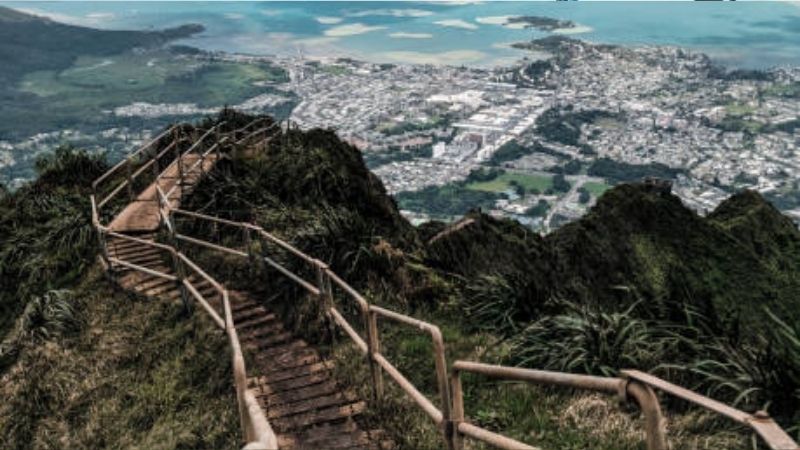
This hard 1.8-mile round trip climbs roughly 1,000 old railway ties straight up the side of Koko Crater, gaining nearly 1,000 feet with almost no switchbacks. It’s a favorite local workout, and the summit rewards the burning legs with 360-degree coastal views.
There’s little shade, so hike it at sunrise or late afternoon to avoid brutal heat. The wooden ties get slick and have gaps, so watch your footing, especially on the steep, exposed midsection where a bridge spans open ground. Gloves help, since gripping the ties on the way down saves your hands.
Lanikai Pillbox (Kaiwa Ridge)
An easy-to-moderate 1.6-to-1.8-mile round trip with about 400 to 650 feet of gain, this short ridge climb ends at two WWII concrete pillboxes. From the top you get jaw-dropping views of turquoise Lanikai Beach and the Mokulua Islands offshore.
The steady grade warms your legs quickly, and sunrise here is legendary, so arrive before 6 a.m. for golden light and thinner crowds. Parking is limited on residential streets, so be respectful of the neighborhood and follow posted signs. The pillboxes are covered in graffiti but make breezy, shaded rest spots at the top.
Waterfalls and Coastal Walks
Beyond the crater climbs, Oahu delivers lush rainforest and dramatic coastline at a gentler pace. These three round out the best hiking Oahu Hawaii has for waterfall chasers and anyone wanting big scenery without a punishing climb.
Manoa Falls
An easy 1.6-mile round trip with about 600 feet of gain, Manoa Falls leads through lush Manoa Valley rainforest to a 150-foot waterfall. The jungle setting is so cinematic that scenes from Jurassic Park were filmed nearby, and it’s a superb starter hike for families.
The trail stays muddy and slick year-round thanks to frequent rain, so grippy shoes are a must. Parking costs a small fee, and swimming at the base is discouraged due to falling-rock and bacteria risk, so admire the fall from the viewing area.
Makapuu Lighthouse Trail
A paved, easy 1.9-to-2-mile round trip with about 450 feet of gain, the Makapuu Lighthouse Trail is the only wheelchair-accessible hike on this list. It climbs gently to a cliff-top lookout over a historic lighthouse and the wide Pacific.
On clear days you can spot the islands of Molokai, Lanai, and Maui, and in winter humpback whales breach offshore. The wide, well-graded path suits all ages, making it one of the island’s best bang-for-buck coastal walks. Bring binoculars in winter to watch for whales from the overlook.
Kuliouou Ridge Trail
A moderate-to-hard roughly 4.8-mile round trip climbing about 1,800 feet, Kuliouou Ridge rewards the effort with one of the finest ridge-top panoramas on Oahu. The trail winds through shady forest before opening to views spanning the windward coast and the Koolau range.
It’s a tougher, less crowded alternative to the famous pillbox hikes and a safer choice than the dangerous Olomana Three Peaks. The upper section can be muddy and steep, so poles and grippy footwear help on the descent.
What to Pack for Oahu
Oahu’s trails combine tropical heat, sudden showers, red-dirt mud, and intense sun, so the best hiking Oahu Hawaii experience depends on lightweight, quick-drying gear. Here are the essentials, with dependable options you can find on Amazon.
| Gear | Why You Need It |
|---|---|
| Grippy trail shoes | Muddy, slick jungle and railway-tie trails |
| Light rain shell | Frequent passing tropical showers |
| Reef-safe sunscreen + hat | Exposed ridges and craters offer no shade |
| Hydration reservoir | Heat and humidity drain you fast |
| Trekking poles | Stability on steep, muddy descents |
Footwear and Traction
Mud is the constant on Oahu, so a grippy trail shoe with a sticky, lugged outsole like the Salomon X Ultra or Merrell Moab keeps you upright on slick jungle paths and Koko Head’s smooth ties. Trekking poles such as the budget-friendly Cascade Mountain Tech carbon pair add real stability on steep, greasy descents.
Sun, Rain, and Hydration
The tropical sun is relentless on exposed ridges, so pack reef-safe sunscreen, a wide-brim hat, and sunglasses. A packable rain shell handles the island’s frequent quick showers, and a hydration reservoir in a daypack like the Osprey Talon lets you drink steadily in the sapping heat and humidity.
Extras Worth Carrying
A small microfiber towel, insect repellent for jungle trails, and a dry bag for your phone all earn their place in a tropical daypack. Water shoes or an old pair of sneakers are handy if you plan to cool off at a beach or stream after your hike. With the right kit, the best hiking Oahu Hawaii serves up is comfortable in any weather.
Frequently Asked Questions
A few questions come up again and again when planning the best hiking Oahu Hawaii trip. Here are quick, practical answers to help you prepare.
When is the best time to hike on Oahu?
Early morning is ideal year-round to beat the heat and crowds, with the drier summer months bringing firmer trails. Winter is greener but muddier and better for whale watching, and afternoon showers are common, so start early whenever you go.
Do any Oahu trails require reservations or permits?
Diamond Head requires advance reservations and a fee for out-of-state visitors, and Manoa Falls charges for parking. Most trails are free, though some Waianae Range routes need state access permits, so always check current rules before you go.
Which hike is best for beginners?
Makapuu Lighthouse and Manoa Falls are the most beginner-friendly, offering a paved coastal walk and an easy rainforest stroll to a waterfall. Both deliver classic island scenery with minimal climbing, ideal for families and first-timers. These gentle routes are the best hiking Oahu Hawaii choices for an easy day.
Are Oahu trails safe to hike alone?
Popular trails like Diamond Head, Makapuu, and Manoa Falls are generally safe for solo hikers. Avoid dangerous ridge scrambles like Olomana without experience, tell someone your plan, and turn back if trails get slick or weather rolls in. Cell service is spotty in the valleys, so download an offline map before you set out.
See More:
- Best daypacks for hiking
- Best hiking sneakers men
- Best backpack for hike
- Best backpack for carry on
- Best travel backpack for men
Final Thoughts
The best hiking Oahu Hawaii offers ranges from a sunrise pillbox ridge to a jungle waterfall and a lung-busting crater stair climb, all within a short drive of Honolulu. Match the trail to your fitness and the time of day, pack grippy shoes, sun and rain protection, and plenty of water, and reserve Diamond Head ahead — and Oahu will reward you with unforgettable island scenery.






Write Your Review
No reviews yet. Be the first to share your experience!