
Key takeaways
Best hiking areas in US span granite valleys, red-rock canyons, glacier-carved peaks, and misty Appalachian forests. This guide highlights six iconic regions with their signature trails and difficulty, plus a versatile packing list, so you can plan a bucket-list trip to the parks and ranges that define American hiking at its very best.
Our top picks




As an Amazon Associate we earn from qualifying purchases at no extra cost to you.
As an Amazon Associate we earn from qualifying purchases.
🛒 Best Price Today on Amazon
Prime members get fast, free shipping on everything above, plus member-only deals. New members get a 30-day free trial — cancel anytime.
Iconic National Park Regions
These three regions headline nearly every list of the best hiking areas in US travel, drawing hikers from around the world. Each offers a dense network of world-class trails, so plan several days to do them justice and book any required permits early. Together they form the beating heart of American hiking.
Yosemite Valley, California
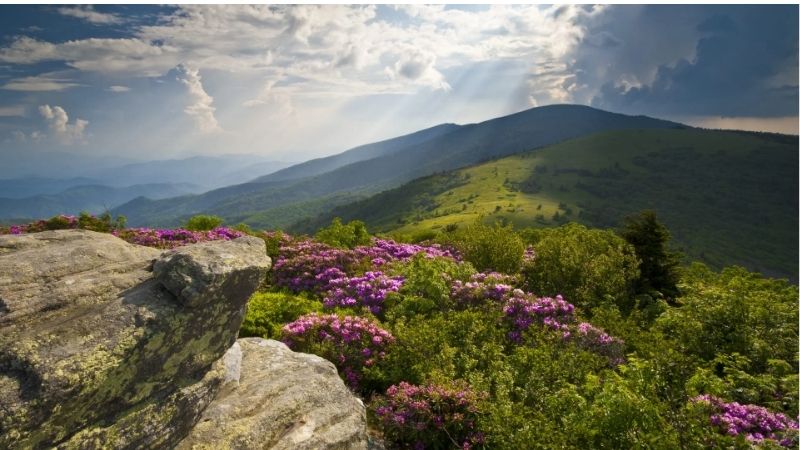
Yosemite is the crown jewel of American hiking, ringed by towering granite walls and thundering waterfalls. Signature routes include the Mist Trail past Vernal and Nevada Falls, the cable-assisted summit of Half Dome, and the permit-free granite ridge of Clouds Rest.
Difficulty spans easy valley strolls like Mirror Lake to strenuous all-day climbs. Half Dome needs a lottery permit and the park often requires timed entry, so plan your visit and reservations well ahead. Spring brings the fullest waterfalls, while the high country opens once Tioga Road clears in summer.
Zion and the Southwest, Utah and Arizona
The red-rock Southwest delivers otherworldly canyon hiking, anchored by Zion’s Angels Landing and the river-wading Narrows, with the Grand Canyon and Bryce Canyon nearby. Slot canyons, hoodoos, and rim-to-river descents define the region.
Desert heat and flash floods are the main hazards, so hike early, carry extra water, and check forecasts before entering canyons. Several marquee trails like Angels Landing now require permits, so confirm current rules. Nearby Bryce Canyon’s hoodoo amphitheater makes an easy and unforgettable add-on to a Zion trip. The Grand Canyon lies within a half-day’s drive, letting you pair two icons in one trip.
Glacier National Park, Montana
Glacier is a raw, alpine wonderland of jagged peaks, turquoise lakes, and abundant wildlife. Its famed Highline Trail runs roughly 14 miles along the Continental Divide, delivering nonstop ridge-top views for fit hikers. Wildlife sightings are common all along the way.
The short summer season and fast-changing mountain weather demand preparation, and this is grizzly country. Carry bear spray, hike in groups, and check the status of the Going-to-the-Sun Road, which accesses many trailheads. Lake McDonald and Many Glacier offer gentler valley hikes for those not ready for the Highline.
More Must-Hike Regions
Beyond the marquee parks, these three round out the best hiking areas in US adventures, from eastern rainforests to alpine lakes and red-rock desert. They spread you across the country and suit a wide range of abilities.
Great Smoky Mountains, North Carolina and Tennessee
The most-visited national park, the Smokies offer misty ridgelines, waterfalls, and a section of the Appalachian Trail. Standout hikes include Alum Cave to Mount LeConte, the panoramic outcrop of Charlies Bunion, and the grassy views of Andrews Bald.
Humidity, frequent rain, and black bears shape the experience, so pack waterproof gear and store food securely. Spring wildflowers and fall foliage are the highlights, drawing crowds to the most popular trailheads. A parking tag is required throughout the park, so buy one before you arrive. Cades Cove adds gentle valley walks and some of the park’s best wildlife viewing.
Rocky Mountain National Park, Colorado
Rocky Mountain National Park packs alpine lakes, tundra, and towering peaks into an accessible high-country playground. The Emerald Lake Trail strings together a series of glassy alpine lakes, while Longs Peak challenges experienced summit-seekers.
High elevation is the defining factor, with trailheads well above 8,000 feet, so acclimate and watch for afternoon thunderstorms. Timed-entry reservations are often required in peak season, so plan ahead. Bear Lake is the trailhead hub, linking several of the park’s most scenic alpine-lake routes. Trail Ridge Road climbs above the tree line, opening tundra walks with enormous views.
Olympic National Park, Washington
Olympic is three parks in one, spanning temperate rainforest, rugged coastline, and glaciated peaks. Easy walks through the mossy Hoh Rainforest contrast with alpine routes at Hurricane Ridge and wild beach hikes along the Pacific.
Rain is near-constant on the west side, feeding the lush greenery, so waterproof gear is essential. The variety means you can hike beach, forest, and mountain in a single trip, making it one of the most diverse regions here. Ferry access from Seattle makes it a surprisingly easy escape from the city. The Sol Duc and Hoh valleys add gentle riverside and rainforest walks for all abilities.
What to Pack for US Hiking Areas
Because the best hiking areas in US travel range from deserts to rainforests to alpine peaks, versatile, layered gear is key. Here are the core essentials that work across regions, with dependable options on Amazon.
| Gear | Why You Need It |
|---|---|
| Versatile hiking shoes | Granite, desert, mud, and alpine terrain |
| Trekking poles | Support on long climbs and descents |
| Layered clothing + rain shell | Weather varies from desert to rainforest |
| Water filter or reservoir | Long routes far from refills |
| Navigation + bear safety | Remote trails and wildlife country |
Footwear and Support
A versatile hiking shoe like the Salomon X Ultra or Merrell Moab performs across granite, desert, and mud, and trekking poles such as the Cascade Mountain Tech carbon pair steady you on big climbs and descents. For wet regions like the Smokies and Olympic, a waterproof option such as the Keen Targhee IV keeps feet dry.
Clothing and Water
A layering system, from a wicking base to an insulating mid-layer and a packable rain shell, covers the swing from desert heat to alpine chill and rainforest damp. Carry ample water in an insulated bottle or reservoir, and add a filter like the Sawyer Squeeze for long backcountry days.
Safety Essentials
A comfortable daypack such as the Osprey Talon carries the ten essentials, including a map, headlamp, and first-aid kit. In bear country like Glacier and the Smokies, carry bear spray and store food securely, and always check park conditions and permits before setting out. Prepared with the right kit, the best hiking areas in US travel are safe to enjoy year-round.
Frequently Asked Questions
A few questions come up again and again when planning trips to the best hiking areas in US. Here are quick, practical answers.
Which hiking area is best for beginners?
The Great Smoky Mountains and Olympic’s Hoh Rainforest offer many easy, well-marked trails, while Yosemite Valley and Rocky Mountain have gentle options alongside big climbs. Look for shorter waterfall or lake hikes to start. These accessible spots are the best hiking areas in US travel for easing into the trail.
Do these areas require permits or reservations?
Many do. Yosemite’s Half Dome, Zion’s Angels Landing, and peak-season entry to parks like Rocky Mountain often require permits or timed reservations. Rules change yearly, so confirm on each park’s official site before your trip.
When is the best time to visit?
Alpine regions like Glacier and Rocky Mountain shine from late spring through early fall, deserts like Zion are best in spring and fall, and the Smokies peak with spring wildflowers and fall color. Match the season to the region.
How do I stay safe in bear country?
In Glacier, the Smokies, and other bear habitat, carry bear spray, make noise on blind corners, hike in groups, and store food securely. Keep your distance, never feed wildlife, and know the local guidance before you go.
See More:
- Best daypacks for hiking
- Best hiking sneakers men
- Best backpack for hike
- Best backpack for carry on
- Best travel backpack for men
Final Thoughts
The best hiking areas in US travel deliver a lifetime of trails, from Yosemite’s granite and the Southwest’s red rock to Glacier’s peaks and the Smokies’ misty forests. Choose the region that calls to you, pack versatile layered gear, and sort out permits and seasons — and each of these iconic areas will reward you with unforgettable hiking.





Write Your Review
No reviews yet. Be the first to share your experience!