
Key takeaways
What's inside
Best backpack for hike days balances capacity, carry comfort, and weight for the trails you actually walk. This guide compares five trail-tested daypacks — from a featherweight minimalist to a high-capacity framed hauler — with real liters and weights so you carry your water, layers, and snacks in comfort without an aching back.
As an Amazon Associate we earn from qualifying purchases at no extra cost to you. Product prices and availability are accurate as of the date shown and are subject to change.


As an Amazon Associate we earn from qualifying purchases at no extra cost to you. Product prices and availability are accurate as of the date shown and are subject to change.
🛒 Best Price Today on Amazon
Prime members get fast, free shipping on everything above, plus member-only deals. New members get a 30-day free trial — cancel anytime.
How to Choose a Hiking Daypack
Finding the best backpack for hike days means weighing four factors: capacity, fit and suspension, ventilation and comfort, and features like hydration and rain protection. Match those to your usual hike distance and load and the pack disappears on your back the way good gear should.
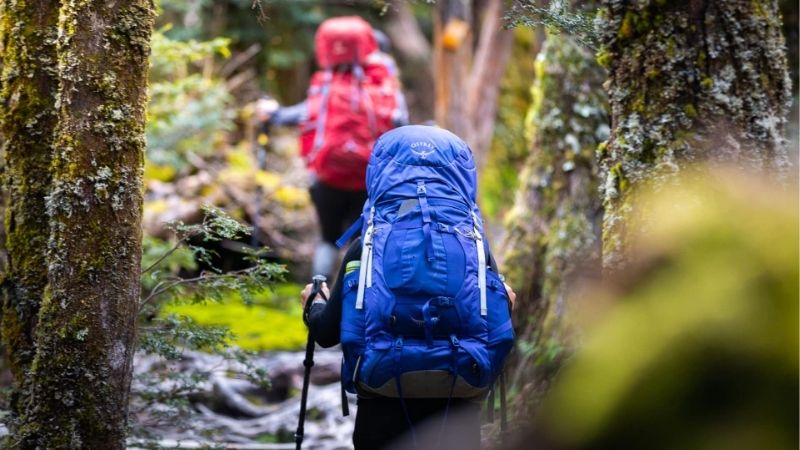
Capacity
A 15-to-20-liter pack covers short hikes in mild or hot weather, holding water, snacks, sun protection, and a light shell. It’s the sweet spot for trail runs and half-day outings where you carry little.
A 22-to-35-liter pack is the goldilocks zone for classic all-day hikes, fitting a hydration reservoir, lunch, extra layers, rain gear, first aid, and navigation. Size up for cold-weather adventures or ultralight overnights, and keep it small for fast summer miles.
Fit and Suspension
Frameless packs are lightest and most compressible but carry little weight comfortably, making them best for light loads. A framesheet or light internal frame paired with a padded hipbelt transfers weight to your hips for all-day comfort under heavier loads.
The hipbelt matters most: a cushioned belt beats simple webbing when you’re carrying water and layers for hours. The best backpack for hike days matches its support to how much you haul, since more suspension adds weight you don’t always need.
Ventilation and Comfort
A suspended mesh or ventilated back panel lifts the pack off your spine so air can flow, which keeps your back cooler and drier on hot climbs. This is a genuine comfort upgrade in warm weather, at a small weight cost.
Shoulder-strap pockets big enough for a phone, a comfortable sternum strap, and breathable foam all add to all-day comfort. Try the pack loaded if you can, since fit and back length vary between models and brands.
Features: Hydration and Rain Protection
Most hiking daypacks accept a 2-to-3-liter hydration reservoir, and some include one, letting you sip on the move without stopping. Side stretch pockets for bottles are a handy backup and easy to reach.
An included rain cover keeps your gear dry in a downpour, and multiple pockets aid organization, though too many can add clutter and weight. Decide which features you’ll actually use before paying for a feature-heavy pack.
Top Picks: The Best Backpacks for Hiking
These five picks show the best backpack for hike days across lightweight, value, and high-capacity designs. The table sums up the numbers, and the write-ups below cover who each suits and the honest drawbacks to weigh first.
| Pack | Capacity | Support | Best For | Price Tier |
|---|---|---|---|---|
| Osprey Talon 22 | 22 L | Framesheet + hipbelt | All-round overall | Mid |
| Osprey Daylite Plus | 20 L | Frameless | Everyday value | Budget |
| Deuter Speed Lite 21 | 21 L | Light frame | Lightweight hikes | Mid |
| Gregory Nano 22 | 22 L | Frameless | Budget & hydration | Budget |
| Osprey Stratos 34 | 34 L | Suspended mesh frame | High capacity | Premium |
Osprey Talon 22 — Best Overall
The Talon 22 is the do-it-all daypack most hikers should start with. A light framesheet and a genuinely cushioned hipbelt transfer load to your hips, a ventilated mesh backpanel keeps you cool, and running-vest-style shoulder pockets hold a phone within reach. Built from durable recycled nylon and offered in sizes from 11 to 44 liters, it balances comfort and features beautifully.
At around 2 pounds it’s not the lightest, the padding isn’t enough for very heavy loads, and it costs more than budget packs. But for classic all-day hikes and peak bagging, it’s the most well-rounded best backpack for hike option here.
Osprey Daylite Plus — Best Everyday Value
The Daylite Plus keeps things refreshingly simple. Its 20 liters split across three zippered pockets for easy organization, breathable AirScape mesh foam and an EVA harness keep it comfortable for day-long use, and at around 1 pound 5 ounces it’s light and affordable. It’s versatile enough to double as a travel and everyday pack.
The hipbelt is unpadded webbing and the frameless design limits how much weight it carries comfortably, so it’s best for lighter loads. But for casual day hikes and everyday use at a friendly price, it’s excellent value.
Deuter Speed Lite 21 — Best Lightweight
The Speed Lite 21 is the pick when you want to move fast and light. Weighing barely over a pound, it makes few comfort compromises compared with heavier packs, and a light frame plus ventilated panel keep it comfortable on quick, active hikes and scrambles where mobility matters.
Its minimal suspension isn’t built for heavy loads, so it’s not the pack for cold-weather hauls or overnights. But for fast summer day hikes, trail runs, and anyone counting ounces, it’s a comfortable, capable lightweight choice.
Gregory Nano 22 — Best Budget and Hydration-Ready
Gregory’s Nano line offers a lot of day-hiking pack for little money. It’s stashable and frameless, comes in multiple sizes, and is ready for a 3-liter hydration reservoir so you can drink on the move, all at a budget price that undercuts premium packs.
The hipbelt is unpadded webbing and it skips an exterior stretch stuff-pocket, so organization and heavy-load comfort are basic. But for budget-minded hikers who want a light, hydration-ready daypack, it’s a smart value.
Osprey Stratos 34 — Best High Capacity
The Stratos 34 is the pick when you need to carry more. Its suspended mesh backpanel delivers excellent ventilation and a supportive internal frame with a real hipbelt handles heavier loads for long or cold-weather days, and it includes a stashable rain cover for sudden downpours.
It’s heavier and less compressible than the smaller packs here and costs more. But for hikers who carry extra layers, gear, or overnight essentials and want ventilated, supportive comfort, it’s the standout high-capacity option.
Frequently Asked Questions
A few questions come up again and again when hikers shop for the best backpack for hike days. Here are straight answers to help you finalize your pick.
What size daypack do I need for hiking?
The best backpack for hike days is 15 to 20 liters for short or hot-weather hikes with little gear, and 22 to 35 liters for all-day hikes needing water, layers, food, and safety gear. Around 22 to 28 liters suits most day hikers.
Do I need a hipbelt on a daypack?
For light loads, a simple webbing belt or none is fine. For heavier loads carried all day, a cushioned hipbelt transfers weight to your hips and greatly improves comfort. Match the level of support to how much you carry.
Should my daypack fit a hydration reservoir?
If you like drinking on the move, yes. Most hiking daypacks accept a 2-to-3-liter reservoir, and some include one. Side stretch pockets for bottles are a good backup if you prefer not to use a bladder.
How do I care for a hiking pack?
Empty all pockets, brush off dirt while dry, and let it air dry completely before storage to prevent mildew. Check for small tears and repair them early, and spot-clean rather than machine washing to protect coatings and seams.
See More:
- Best daypacks for hiking
- Best hiking sneakers men
- Best backpack for carry on
- Best travel backpack for men
Final Thoughts
The best backpack for hike days depends on your distance, load, and budget. Reach for the Osprey Talon 22 as an all-round overall pick, the Daylite Plus for everyday value, the Deuter Speed Lite 21 for lightweight hikes, the Gregory Nano 22 on a budget, and the Osprey Stratos 34 for high-capacity days — and buying the right pack sooner rather than later pays off on the trail.






Write Your Review
No reviews yet. Be the first to share your experience!