Key takeaways
What's inside
Camping gear checklist planning keeps you from arriving at camp missing something crucial. This roundup organizes six field-tested essentials by category, from shelter and sleep to kitchen and light, comparing what each does and who it suits, so you can build a complete kit for a weekend outdoors without forgetting what matters most.
As an Amazon Associate we earn from qualifying purchases.
By Jake Thompson
How to Build a Camping Gear Checklist
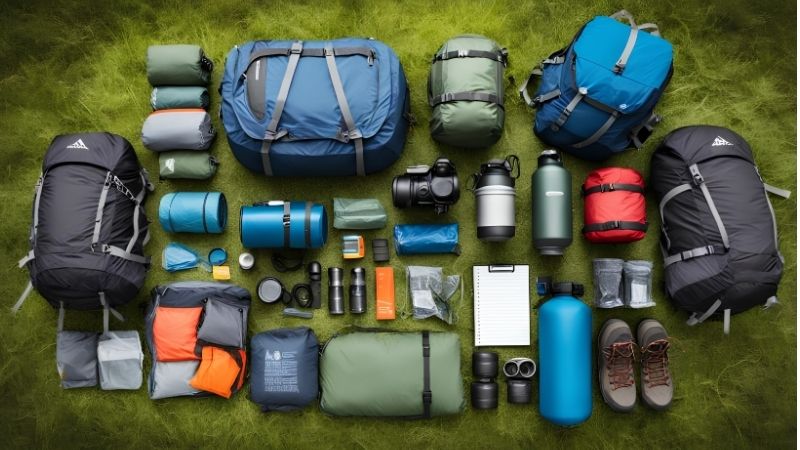
A good checklist is organized by category so nothing slips through the cracks. Rather than a random pile of gear, a smart camping gear checklist groups your kit into shelter, sleep, kitchen, and light, then adds one solid pick for each. Start by thinking through three core needs.
Shelter and Sleep System
Shelter and sleep are the foundation of a good trip. A weather-resistant tent keeps you dry, while a temperature-rated sleeping bag and an insulating pad keep you warm off the cold ground. Skimp on any of the three and a single chilly, damp night can ruin an otherwise great weekend.
Match these to the season and forecast. A three-season tent and a bag rated a little below expected lows cover most trips, and pad insulation matters as much as bag warmth. Any camping gear checklist should treat the full sleep system as one unit rather than three separate purchases.
Kitchen and Water
Eating well makes camping enjoyable. A reliable stove lets you cook real meals, a cooler keeps food safe, and a water container keeps you hydrated for drinking, cooking, and cleanup. Size each to your group so nobody waits on a single burner or runs short of cold storage.
Do not forget the small kitchen pieces. Utensils, a lighter, a pot, and a trash bag round out the setup and weigh almost nothing. A thorough camping gear checklist captures these easily overlooked items, since forgetting a way to light your stove can leave you eating cold food all weekend.
Light and Safety
Light and safety gear are non-negotiable. A headlamp frees your hands after dark, and carrying a backup light plus fresh batteries means you are never stuck fumbling for a dropped tent stake at midnight. Add a first aid kit and you are covered for the most common mishaps.
Think about the whole camp after dark. A headlamp handles personal tasks, while a lantern lights the whole site for cooking and cards. Layering light sources keeps everyone comfortable, and a good camping gear checklist always lists at least one light per person plus spare power.
Top Picks: Your Camping Gear Checklist
With those categories in mind, here is a camping gear checklist of six field-tested essentials, one strong pick per category. The table sums up each item’s role, and the reviews below explain who each one suits and the trade-offs to weigh so you can adapt the list to your own trips.
| Item | Category | Key Spec | Best For |
|---|---|---|---|
| Coleman Sundome | Shelter | Weather-resistant | Beginner tent |
| REI Co-op Trailmade 25 | Sleeping bag | ~25°F rating | Budget warmth |
| Klymit Static V | Sleeping pad | Packable, V-chamber | Comfort and value |
| Black Diamond Spot 400 | Headlamp | 400 lumens, IPX8 | Hands-free light |
| Coleman Classic | Stove | 2 x 10,000 BTU | Cooking meals |
| Coleman Xtreme 5 | Cooler | Up to ~5-day ice | Food storage |
Coleman Sundome – The Shelter
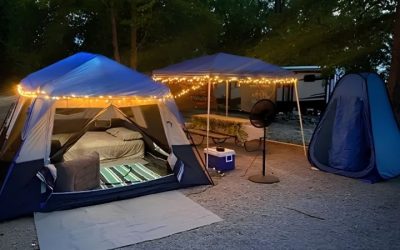
The Coleman Sundome is a longtime bestseller and a great first tent. It sets up fast, resists weather well for the price, and offers enough headroom and floor space for a comfortable weekend, making it a dependable, affordable shelter that new campers can pitch confidently on arrival day.
Its rainfly is modest, so heavy, prolonged rain can test it, and ventilation varies by model. But for fair-weather weekends and beginners learning the ropes, its ease of setup and low price make it a smart starting shelter.
REI Co-op Trailmade 25 – The Sleeping Bag
The REI Co-op Trailmade 25 is a versatile, budget-friendly bag. Rated around 25 degrees, it is warm enough for three-season camping, comes in inclusive sizes, and is light enough to double for short backpacking trips, all made from quality recycled and bluesign-approved materials at a fair price.
Its mummy shape is snugger than a rectangular camp bag, which some find less roomy for lounging. But for campers who want real warmth, quality materials, and flexibility on a budget, it is an excellent all-around choice.
Klymit Static V – The Sleeping Pad
The Klymit Static V cushions you from the cold, hard ground. Its body-mapping V-chamber design supports side, back, and stomach sleepers, it inflates in about ten breaths, and it packs down small and light, offering real comfort and insulation at a price that undercuts most rivals.
Its air-only construction is less warm than an insulated pad for deep cold, and the valve can be a touch noisy. But for three-season weekends where comfort and value matter most, it is one of the best pads for the money.
Black Diamond Spot 400 – The Headlamp
The Black Diamond Spot 400 is a reliable, do-it-all light. It puts out 400 lumens with a 100-meter beam, weighs under three ounces, carries an IPX8 waterproof rating, and runs on AAA or an optional rechargeable pack, covering night hikes, camp chores, and midnight tent-stake hunts with ease.
It is not bright enough for technical night skiing or mountaineering, and it is not rechargeable out of the box. But for camping, hiking, and everyday after-dark tasks, its brightness, durability, and value make it a longtime favorite.
Coleman Classic – The Stove
The Coleman Classic two-burner is a camp-kitchen staple. Two adjustable burners put out around 10,000 BTUs each, a fold-up wind baffle shelters the flames, and the whole stove latches shut into a slim case, giving new campers reliable, affordable cooking power for a full meal at once.
It runs only on green propane bottles and is too heavy to carry any distance, so it is strictly a car-camping stove. But for dependable, budget cooking with two pots going at once, it has anchored campsites for decades.
Coleman Xtreme 5 – The Cooler
The Coleman Xtreme 5 keeps your food cold without breaking the budget. This injection-molded cooler holds ice for up to five days in good conditions, comes in family-friendly sizes, weighs far less than a rotomolded box, and costs a small fraction of premium coolers, making it a practical kit anchor.
Its thinner walls cannot match a rotomolded cooler in extreme heat or hard use. But for most weekend trips, it keeps perishables safe long enough and stays light enough for one person to load and carry to the site.
Frequently Asked Questions
A few questions come up again and again when campers build a camping gear checklist. Here are quick, practical answers to help you pack with confidence.
What are the true essentials for a first camping trip?
The core four are shelter, a sleep system, a way to cook, and light. A tent, a bag and pad, a stove and cooler, and a headlamp cover the basics for a weekend. Add water, food, and a first aid kit, and you have everything you need for a safe, comfortable first trip.
How much should a beginner spend on gear?
You can outfit a solid first kit affordably by choosing budget-friendly staples like the Coleman Sundome and a value sleeping bag. Prioritize a good sleep system, since warmth and rest matter most. Upgrade individual pieces over time as you learn what you actually use rather than buying premium gear upfront.
Do I need a sleeping pad if I have a bag?
Yes. A sleeping pad insulates you from the cold ground, which draws away body heat faster than the air does. Even a warm bag feels cold without a pad beneath it. The pad’s insulation is as important as the bag’s rating for a warm, comfortable night outdoors.
How do I keep my checklist from getting too long?
Group items by category and pack one solid pick per need rather than duplicates. Focus on the core systems first, then add only the extras your specific trip requires. Reviewing and trimming your list after each trip helps you learn what you truly use and what you can leave home.
See More:
- Best camp chair
- Lightweight camp chair
- Camping table review
- Backpacking cookware set
- Camp stove review
Final Thoughts
A good camping gear checklist turns packing from guesswork into a simple, category-by-category routine. The Coleman Sundome, REI Trailmade bag, and Klymit pad cover shelter and sleep, while the Spot 400, Coleman stove, and Xtreme cooler handle light, cooking, and cold storage. Build around these essentials, adjust for your trip, and you will never arrive at camp missing what matters.