
Key takeaways
- Set up your tent and let it air-dry fully before packing; even slight dampness causes mildew over months.
- Store sleeping bags uncompressed in a large cotton or mesh sack, not their stuff sack, to preserve loft and insulation.
- Hang or loosely fold clothing and rain gear so creases and coatings don’t degrade in one spot.
- Keep an emergency blanket set and other mylar items flat and dry so they don’t crack at the folds.
The way you store your camping gear over the off-season determines how it performs when spring arrives. A sleeping bag crushed in its stuff sack for six months loses loft, a damp tent grows mildew, and utensils rust in a humid garage bin. A little care when you pack everything away protects hundreds of dollars of gear and means you can grab it and go on the first warm weekend without unpleasant surprises.
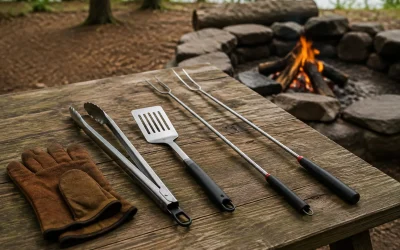
This guide walks through cleaning, drying, and storing every category of camp gear, from cookware sets like the Berglander Camping Cooking Utensils kit to fabrics, tools, and emergency supplies. Follow these off-season habits in 2026 and your equipment will emerge next season clean, dry, and ready, extending its life by years rather than months.
Our top picks


As an Amazon Associate we earn from qualifying purchases at no extra cost to you. Ratings are shown as listed on Amazon.
⚡ Save on Your Next PC — Amazon Prime
Prime members get fast free shipping on the systems above, plus early access to Prime Day & Black Friday PC deals. New members get a 30-day free trial.
Watch: How to Store Your Camping Gear for the Off-Season — Video Review
Clean Everything Before Storage
Dirt, food residue, and body oils break down materials over time, so clean gear thoroughly before it goes away. Wash cookware and utensil sets like the HOMQUEN or 24-piece camping cooking kits, dry them completely, and check for any stuck-on food that could attract pests. Wipe down tools, stoves, and hardware, and brush the dirt off tents and packs. Storing gear dirty invites mold, corrosion, and rodents that chew through fabric to reach food scents.
Dry Fabrics and Store Sleeping Bags Loosely
- Set up your tent and let it air-dry fully before packing; even slight dampness causes mildew over months.
- Store sleeping bags uncompressed in a large cotton or mesh sack, not their stuff sack, to preserve loft and insulation.
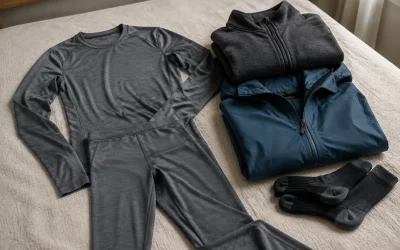
- Hang or loosely fold clothing and rain gear so creases and coatings don’t degrade in one spot.
- Keep an emergency blanket set and other mylar items flat and dry so they don’t crack at the folds.
Protect Tools and Metal Gear from Rust
Metal is the most vulnerable to off-season damage. Wipe knives, axes, stakes, and cookware dry, then apply a thin coat of oil to blades and moving parts to block moisture. Store multi-tools and paracord kits like the Atomic Bear bracelet in a dry container. Keep everything in sealed bins with a few silica-gel packets to absorb humidity, and avoid storing metal directly on concrete floors, which wick moisture upward.
Organize and Inventory as You Pack
The off-season is the ideal time to take stock. As you clean and store each item, note what needs replacing, a worn tent pole, a used-up first-aid supply, or a laundry bag that ripped, so you can restock before next season. Group gear by category in labeled bins: cooking, shelter, sleeping, tools, and emergency. Storing a mosquito head net, laundry bags, and small accessories in clearly marked containers means no frantic searching when the first trip rolls around.
Choose the Right Storage Location
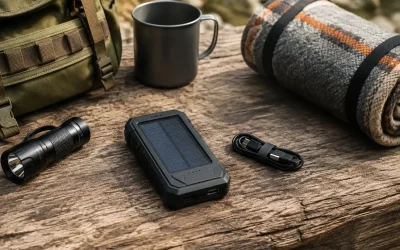
Where you store gear matters as much as how. Aim for a cool, dry, climate-stable space like an interior closet rather than an attic that bakes in summer or a basement that floods. Extreme heat degrades tent coatings and battery-powered gear, while damp spaces breed mildew and rust. Keep bins off the floor on shelves, and store any batteries or power banks separately at a partial charge in a moderate-temperature spot to preserve their capacity.
Tips
- Remove batteries from headlamps and lanterns to prevent corrosion and leaks during storage.
- Toss a few cedar blocks or silica packets into bins to deter insects and control moisture.
- Store food-related items scent-free and sealed so mice aren’t tempted to nest in your gear.
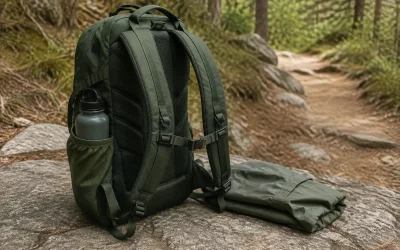
- Loosen straps and buckles on packs so the tension doesn’t deform the webbing over months.
Frequently Asked Questions
Should I store my sleeping bag in its stuff sack?
No. Long-term compression permanently reduces a bag’s loft and warmth. Store it loosely in a large breathable cotton or mesh sack, or hang it, to keep the insulation full and effective.
How do I prevent mildew on my tent?
Always dry the tent completely before storage, even setting it up at home to air out. Store it loosely in a breathable bag in a dry spot; packing it damp is the number-one cause of mildew and odor.
Where is the best place to store camping gear?
A cool, dry, temperature-stable interior space like a closet is ideal. Avoid hot attics and damp basements, which degrade coatings, breed mildew, and rust metal gear over the off-season.
Should I remove batteries from my gear?
Yes. Batteries left in headlamps and lanterns can corrode and leak, damaging the device. Remove them, and store power banks separately at a partial charge in a moderate-temperature location.
Conclusion
Off-season storage is really about four habits: clean everything, dry it fully, protect metal from rust, and store it cool and dry. Keep sleeping bags uncompressed, pull batteries, and inventory as you pack so you know what to replace. Give your gear this care each season and it will reward you with years of reliable service on the trail.


Write Your Review
No reviews yet. Be the first to share your experience!