Key takeaways
What's inside
Sleeping pad R value guide knowledge is the difference between a warm night and shivering on cold ground. This sleeping pad R value guide explains what R-value means, how to match it to the season, and which pads suit summer through winter, with six tested picks so you never sleep cold from the ground up again.
As an Amazon Associate we earn from qualifying purchases.
By Jake Thompson, outdoor gear writer and long-time trail tester
How to Use This Sleeping Pad R Value Guide
R-value is simple once you know the ranges. Focus on what R-value means, matching it to the season, stacking pads for extra warmth, and thickness for comfort. Grasp these four and you pick a pad that keeps you warm off the ground every trip. The number looks technical, but the ranges are easy to memorize.
What R-Value Means
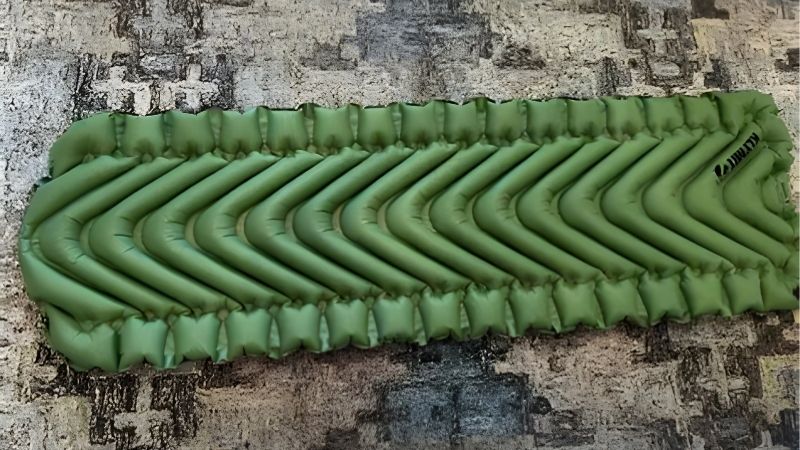
R-value measures how well a pad resists heat loss to the ground, and higher numbers mean more warmth. A standardized industry test now lets you compare pads from any brand directly, since they all use the same method. That standardization finally makes cross-brand pad shopping straightforward.
The ground steals more heat than most campers expect, which is why a cold pad, not a thin bag, is the usual reason people sleep cold. R-value is the number that prevents that.
Matching R-Value to the Season
Match the number to your coldest nights. Aim for 1 to 2 for summer, 2 to 4 for three-season use, and above 5 for winter and snow camping, stepping higher as temperatures drop.
Buying a little warmer than you need adds a safety margin. A slightly higher R-value rarely hurts in mild weather, but too low a value leaves you cold when the ground turns frigid.
Stacking Pads for Warmth
R-values are additive, which is the guide’s most useful trick. Laying a closed-cell foam pad under an air pad combines their R-values, turning a three-season setup into a winter-worthy one.
Stacking also adds a puncture-proof backup for snow trips. If your air pad fails overnight, the foam pad beneath keeps you off the frozen ground, a smart insurance policy in the cold.
Thickness for Comfort
R-value handles warmth, but thickness handles comfort. Around three inches keeps side sleepers’ hips from bottoming out, and four-inch pads feel closest to a real mattress on hard ground.
Warmth and comfort are separate specs, so check both. A warm but thin pad can still be uncomfortable, so side sleepers should prioritize thickness alongside an adequate R-value.
Top Picks: Sleeping Pad R Value Guide
This sleeping pad R value guide lines up six pads from summer to deep winter, matching every point on the R-value scale. The table compares R-value, type, and weight, then each pick gets an honest look at its warmth and trade-offs.
| Pad | R-Value | Type | Best Season |
|---|---|---|---|
| Therm-a-Rest Z Lite Sol | ~2.0 | Foam | Summer |
| Big Agnes Divide Insulated | ~4 | Air | Three-season, budget |
| Therm-a-Rest NeoAir XLite NXT | 4.5 | Air | Three-season |
| NEMO Tensor All-Season | 5.4 | Air | Cold three-season |
| Therm-a-Rest NeoAir XTherm NXT | 7.3 | Air | Winter |
| NEMO Tensor Extreme Conditions | 8.5 | Air | Deep winter |
Summer: Therm-a-Rest Z Lite Sol
For warm nights, the Z Lite Sol’s roughly 2.0 R-value is plenty, and its closed-cell foam never punctures. An aluminized coating reflects body heat, and at around 14 ounces it is cheap, indestructible, and doubles as a sit pad or a warmth-boosting layer.
Its thin profile is firm and cool for cold nights, and it packs bulky. As a summer pad or a stackable backup, though, it is a bombproof value.
Three-Season Budget: Big Agnes Divide Insulated
The Divide is the budget air pad, offering an R-value around 4 with solid three-season warmth and comfort for noticeably less than premium models. It is a great entry into insulated air pads for shoulder-season camping.
It is not as warm or refined as top-tier pads, and its valve is basic. For campers who want a comfortable, insulated pad without the premium cost, though, it is a smart value.
Three-Season: Therm-a-Rest NeoAir XLite NXT
The XLite is the three-season benchmark, delivering a 4.5 R-value at around 13 ounces for an unmatched warmth-to-weight ratio. Three inches of loft and an easy valve make it comfortable and quick, and it packs to the size of a water bottle.
Its thin fabric can puncture, so carry a patch kit, and it feels firm for side sleepers. For most three-season backpackers, though, it sets the standard.
Cold Three-Season: NEMO Tensor All-Season
The Tensor All-Season steps warmth up to a 5.4 R-value while staying light, with gridded baffles that cushion evenly and a quiet surface. It handles cold shoulder-season nights and suits side sleepers who want a bit more warmth and comfort.
It costs more than budget pads and, like all air pads, can puncture. For colder three-season trips where a little extra R-value helps, though, it is an excellent choice.
Winter: Therm-a-Rest NeoAir XTherm NXT
The XTherm is the winter workhorse, delivering a 7.3 R-value at around 15 ounces for a genuine safety margin below 20 degrees. It packs true winter warmth into a still-backpackable weight and size, making it a four-season staple.
It costs more and is overkill for warm nights. As a dedicated winter pad, especially stacked with a foam pad on snow, though, it is a top performer.
Deep Winter: NEMO Tensor Extreme Conditions
For the coldest trips, the Tensor Extreme delivers a very high R-value around 8.5, built for sub-zero and snow camping. Its heavy insulation and quiet, comfortable surface keep you warm when temperatures drop to the extremes serious winter campers face.
It is expensive and its warmth is overkill outside true winter. For dedicated cold and snow camping where warmth is non-negotiable, though, it is one of the warmest pads available.
Market Context: Prices, Tariffs and Timing in 2026
Pads carry real dollar swings, so timing helps when using a sleeping pad R value guide in 2026. Import cost pressure and the seasonal calendar shape prices, and premium high-R pads especially move with the market.
Why Prices Are Uncertain
Most pads are imported, and 2026 tariff policy has stayed in flux even after legal challenges, keeping costs elevated. Premium air pads have edged up as brands use pricing power, while budget foam pads pass costs straight to shoppers.
Because policy keeps shifting, brands call future pricing guesswork. That is a fair reason to buy a proven pad you trust while it is in stock in your size and R-value rather than waiting on a lower price.
Where the Deals Are
Closeout stock is the value play. Retailers are clearing pre-tariff inventory through late 2026, so prior-year versions of proven pads offer real markdowns, since designs change little year to year.
Winter pads often discount in spring as seasonal stock clears, and major fall sales cut prices further. Timing a purchase to the off-season is a reliable way to save on a high-R pad.
When to Buy
Amazon’s fall event in early October and the late-November Black Friday and Cyber Monday windows bring the deepest cuts, and pads make popular gifts. A wishlist plus price tracking helps you buy at the low.
If a trip is booked, prioritize the right R-value over a small saving. A warm pad in hand beats a cheaper one that leaves you cold on frozen or chilly ground.
Frequently Asked Questions
These are the questions campers ask most in a sleeping pad R value guide.
What R-value do I need for each season?
Aim for 1 to 2 for summer, 2 to 4 for three-season use, and above 5 for winter and snow. Buying slightly warmer than needed adds a safety margin without much downside in mild weather.
Are R-values really additive?
Yes, stacking two pads combines their R-values, so a foam pad under an air pad reaches winter warmth. This trick also adds a puncture-proof backup, which is invaluable for snow camping. It is the cheapest way to reach winter-level warmth from gear you may already own.
Why am I cold even in a warm bag?
Usually because your pad’s R-value is too low, letting the ground steal heat the bag cannot replace. Match the pad’s R-value to your coldest night, and stack a foam pad for very cold trips.
Does thickness affect warmth?
Not directly, since R-value measures warmth and thickness measures comfort. A thin pad can still be warm, but side sleepers should choose at least three inches so hips do not bottom out on hard ground.
See More:
- Best boots for rocky trails
- Best boots for snow hiking
- Budget hiking shoes
- Premium hiking boots
- Hiking shoe comparison chart
Final Thoughts
This sleeping pad R value guide comes down to matching the number to your nights: 1 to 2 for summer, 2 to 4 for three-season, and above 5 for winter, with pads stacking for extra warmth. The Z Lite suits summer, the NeoAir XLite three seasons, and the XTherm or Tensor Extreme winter. Match the R-value to your coldest night, buy a proven pad while stock lasts, and cold ground stops stealing your sleep. Match the number to the season and the rest takes care of itself.