Key takeaways
What's inside
Sleeping bag storage guide advice can save a bag that washing alone cannot, because long-term compression quietly kills loft. This sleeping bag storage guide explains how to store down and synthetic bags uncompressed and dry, with six tested storage solutions so your bag keeps its warmth trip after trip for years.
As an Amazon Associate we earn from qualifying purchases.
By Jake Thompson, outdoor gear writer and long-time trail tester
How to Use This Sleeping Bag Storage Guide
Storing a bag right protects the loft that keeps you warm. Focus on avoiding compression, keeping it dry, choosing a good location, and using breathable material. Get these four right and your bag stays lofty and warm for many seasons. Storage is the most overlooked step in caring for a bag, and the easiest to get right.
Avoid Compression
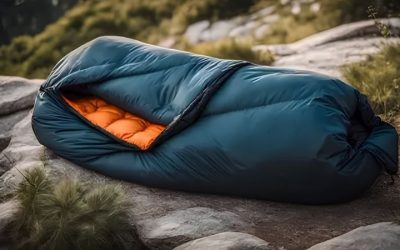
Loft works because the fill traps air, and long-term compression permanently damages the clusters that do the trapping. Never store a bag stuffed in its compression sack, which is meant only for carrying it on the trail. Left compressed for weeks, even a great bag loses warmth it never fully recovers.
Store the bag loose and uncompressed instead, letting the fill stay fully lofted. This single habit does more to preserve warmth than anything else in a bag’s life.
Keep It Dry
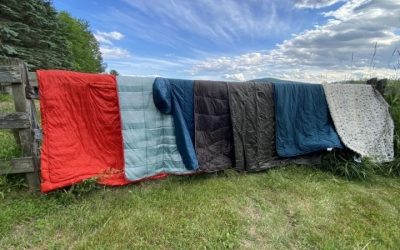
Never store a bag that is even slightly damp, since residual moisture causes mildew that permanently ruins the fill and fabric. Always dry it fully after a trip before putting it away for the season. A few extra hours of drying at home prevents a ruined bag later.
Moisture control in storage helps too. A dry location and a moisture absorber guard against humidity that can slowly degrade both down and synthetic insulation over months.
Choosing a Location
Store the bag somewhere cool, dry, and dark, away from temperature extremes. Avoid hot attics and damp basements, which cook or dampen the fill and shorten its life over long storage periods.
A closet shelf or under a bed works well if the spot stays dry. Keeping the bag out of direct sunlight also protects the shell fabric from UV degradation over time.
Breathable Material
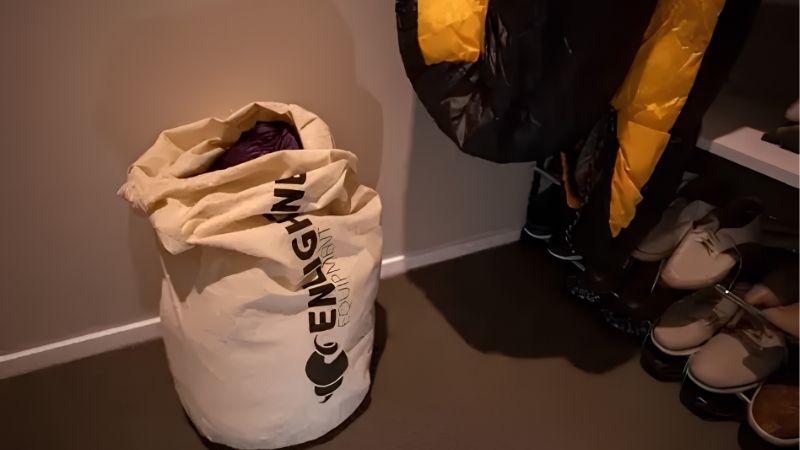
Store the bag in a breathable sack, never sealed plastic, which traps moisture and encourages mildew. Most quality bags ship with a large cotton or mesh storage sack made exactly for this purpose.
Breathable storage lets any trace humidity escape while keeping dust off. If you lost the original sack, a large cotton or mesh replacement is a cheap, worthwhile investment.
Top Picks: Sleeping Bag Storage Guide
This sleeping bag storage guide lines up six storage solutions that keep a bag lofted, dry, and protected between trips. The table sums up each option’s job, then every pick gets an honest look at how it preserves your bag.
| Solution | Type | Best For |
|---|---|---|
| Large cotton storage sack | Breathable sack | Best overall storage |
| Mesh storage sack | Breathable sack | Maximum airflow |
| Hanging storage | Closet hang | Space saving |
| Breathable storage cube | Fabric tote | Organized shelves |
| Cedar blocks or silica | Moisture and pest control | Damp or buggy spaces |
| Compression sack (transport only) | Stuff sack | Carrying, never storage |
Large Cotton Storage Sack
The large cotton storage sack is the gold standard, and most quality bags ship with one for good reason. It holds the bag fully uncompressed while its breathable cotton lets any trace moisture escape, preserving loft over long off-season storage.
It takes up more space than a stuffed sack, needing a shelf or closet corner. As the ideal way to store any bag, though, it protects warmth better than any compact option.
Mesh Storage Sack
A mesh storage sack maximizes airflow, keeping the fill lofted while allowing full ventilation to prevent any humidity buildup. It is a common alternative to cotton, especially in humid climates where breathability matters most for long-term storage.
Open mesh offers less dust protection than solid cotton. For maximum airflow around a lofted bag, though, it is an excellent and inexpensive storage choice.
Hanging Storage
Hanging the bag in a closet is a space-saving method that keeps it fully uncompressed and well ventilated. Many bags include hang loops for exactly this, letting gravity keep the fill lofted without taking up shelf space.
It requires closet height and a spot out of sunlight. For campers short on shelf space, though, hanging is a clean, effective way to store a bag long term.
Breathable Storage Cube
A breathable fabric storage cube or tote keeps a bag lofted and organized on a shelf, protecting it from dust while allowing airflow. It suits campers who want a tidy gear closet without sealing the bag in airtight plastic.
Cubes take more space than the bag alone and cost a little more than a simple sack. For organized, breathable storage, though, they are a neat solution.
Cedar Blocks or Silica
Cedar blocks and silica moisture absorbers protect a bag in damp or buggy storage spaces. Cedar deters moths and pests naturally, while silica packs pull humidity from the air, guarding the fill against mildew and insect damage.
They address the environment, not compression, so pair them with a breathable sack. In basements or humid climates, though, they add valuable protection over months of storage.
Compression Sack (Transport Only)
A compression sack belongs in this guide as a warning as much as a tool: it is for carrying a bag on the trail, never for storing it. Compressing a bag for days at home permanently flattens the loft that keeps you warm.
Used only for transport, it packs a bag small for the pack, which is exactly its job. Left compressed in storage, though, it slowly destroys the bag, so unpack it as soon as you get home.
Market Context: Prices, Timing and Value in 2026
Storage gear is cheap, but the payoff is large in this sleeping bag storage guide for 2026. Import cost pressure aside, proper storage is the least expensive way to protect a costly bag’s warmth.
Tiny Cost, Big Payoff
A cotton or mesh storage sack costs very little next to the bag it protects, yet it can add years of loft and warmth. That makes storage gear one of the best values in your entire kit. Few gear habits pay back so much for so little.
Import costs on sacks and accessories have edged up under 2026 tariff uncertainty, so prices can drift. Buying a storage sack now, while it is cheap and in stock, is an easy call.
Where the Deals Are
Closeout stock and bundles are the value play. Retailers clear pre-tariff inventory through late 2026, and storage sacks change little year to year, so older stock works identically for less.
Storage sacks often come bundled with bags or cost only a few dollars separately. Amazon’s fall event and the late-November sales bring small discounts worth grabbing alongside other gear.
Store Right, Save Money
Proper storage turns an expensive bag into a decade-long investment instead of a bag that loses warmth in a few seasons. Unpacking and lofting a bag after every trip costs nothing and pays off for years.
Keep the original storage sack, and replace it cheaply if lost. Consistent, correct storage delivers the biggest long-term return of any habit in your sleep system.
Frequently Asked Questions
These are the questions campers ask most in a sleeping bag storage guide.
Can I store my bag in its stuff sack?
No, since long-term compression permanently damages the fill’s ability to trap air and stay warm. Store it uncompressed in a large breathable cotton or mesh sack, and reserve the stuff sack for transport only. This one habit protects more warmth than any other storage step.
Where should I store a sleeping bag?
Somewhere cool, dry, dark, and away from extremes, like a closet shelf or under a bed. Avoid hot attics and damp basements, which cook or dampen the fill and shorten the bag’s life.
Is it safe to store a slightly damp bag?
Never, since even mild residual moisture causes mildew that permanently ruins the fill and fabric. Always dry the bag fully after a trip before storing it, and use a moisture absorber in humid spaces.
Do synthetic bags need the same care?
Yes, since compression damages synthetic fill too, just as it does down. Store synthetic bags uncompressed, dry, and in a breathable sack to preserve their loft and warmth over the long term. Synthetic loft is a bit more forgiving, but compression still shortens its life.
See More:
- Best boots for rocky trails
- Best boots for snow hiking
- Budget hiking shoes
- Premium hiking boots
- Hiking shoe comparison chart
Final Thoughts
This sleeping bag storage guide comes down to a few simple rules: store the bag uncompressed, fully dry, in a cool dark spot, inside a breathable sack. A large cotton or mesh sack is ideal, hanging saves space, and the compression sack is strictly for the trail. Unpack your bag after every trip, store it right, buy a cheap breathable sack while stock lasts, and it will stay warm for years. The gear is cheap, the habit is free, and the payoff lasts season after season.