Key takeaways
What's inside
Foam sleeping pad review shoppers want one thing air pads can’t promise: a pad that never pops. This foam sleeping pad review compares six tough, affordable closed-cell and self-inflating pads by warmth, weight, and durability so you can find bombproof, budget-friendly ground insulation for any camping trip.
As an Amazon Associate we earn from qualifying purchases.
By Jake Thompson, outdoor gear writer and long-time trail tester
How to Read This Foam Sleeping Pad Review
Foam pads trade some comfort for toughness and value, so know what matters. Focus on foam type, R-value and warmth, weight and packability, and durability and versatility. Weigh these four and you land the right foam pad for your budget, durability needs, and camping style.
Closed-Cell Versus Self-Inflating Foam
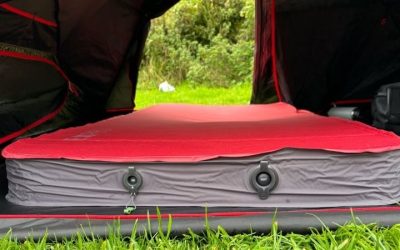
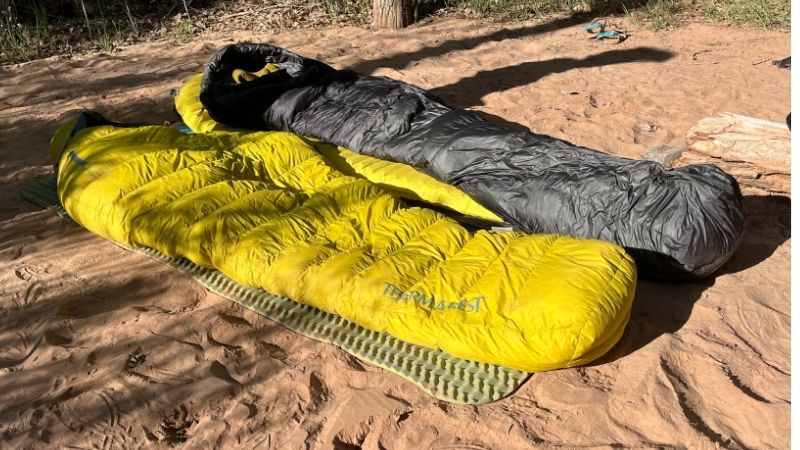
Two foam families exist. Closed-cell foam pads are thin, light, and puncture-proof but firm and cool, while self-inflating pads use open-cell foam plus air for far more comfort and warmth at more weight and packed bulk.
Match the type to your goal. Ultralight and budget hikers favor closed-cell pads, while car campers and comfort seekers lean toward plush self-inflating models that feel closer to a mattress.
R-Value and Warmth
Foam pads generally run cooler than air pads. Closed-cell models sit around a 2 R-value, fine for summer and mild three-season use, while thicker self-inflating pads reach higher R-values suitable for colder nights.
R-values stack, which is a foam pad’s secret weapon. Laying a closed-cell pad under an air pad boosts warmth for winter and adds a puncture-proof backup if the air pad fails.
Weight and Packability
Closed-cell foam is light, around 14 ounces, but bulky, since it folds or rolls rather than compressing. Many thru-hikers strap it to the outside of the pack, where it doubles as back padding or a sit pad.
Self-inflating foam is heavier and packs larger than both closed-cell and air pads. For backpacking, weigh that bulk carefully; for car camping, it is a non-issue in exchange for comfort.
Durability and Versatility
Durability is the foam pad’s calling card. Closed-cell pads are essentially indestructible, never puncture, and can be used anywhere without babying, from rocky ground to a lunch-break seat.
Versatility adds value. A foam pad works as a sit pad, a pack frame, a warmth layer, or a bombproof backup, jobs an air pad simply cannot do, which is why many hikers carry one regardless.
Top Picks: Foam Sleeping Pad Review
This foam sleeping pad review lines up six foam pads from ultralight closed-cell to plush self-inflating, with a match for any camper. The table compares type, R-value, and weight, then each pick gets an honest look at its warmth, comfort, and trade-offs.
| Foam Pad | Type | R-Value | Weight | Best For |
|---|---|---|---|---|
| NEMO Switchback | Closed-cell | ~2 | ~14.5 oz | Best closed-cell foam |
| Therm-a-Rest Z Lite Sol | Closed-cell | ~2.0 | ~14 oz | Classic budget pick |
| Therm-a-Rest RidgeRest Classic | Closed-cell | ~2 | ~14-19 oz | Durable, cheapest |
| Gossamer Gear Thinlight | Closed-cell | Low | ~2.5 oz | Ultralight layering |
| Therm-a-Rest ProLite | Self-inflating | ~2.4 | ~1 lb | Packable comfort |
| Therm-a-Rest MondoKing | Self-inflating | ~7 | ~4-5 lb | Plush car camping |
NEMO Switchback
The Switchback is the best closed-cell foam pad, slightly warmer, thicker, and more comfortable than older rivals at around 14.5 ounces. It can never puncture, packs into a compact accordion fold, and doubles as a sit pad, pack frame, or warmth layer under an air pad.
Its roughly 2 R-value and thin profile make it cool and firm compared to air pads. As a bombproof primary pad for warm-weather thru-hiking or a versatile backup, though, it is a staple.
Therm-a-Rest Z Lite Sol
The Z Lite Sol is the classic closed-cell pad, with an aluminized coating that reflects body heat and a proven, affordable design around 14 ounces. It is a longtime favorite of ultralight and budget hikers for its durability and low cost.
It is slightly less comfortable and packs a touch bulkier than the Switchback, and its R-value is modest. As a cheap, indestructible, time-tested foam pad, though, it remains a go-to.
Therm-a-Rest RidgeRest Classic
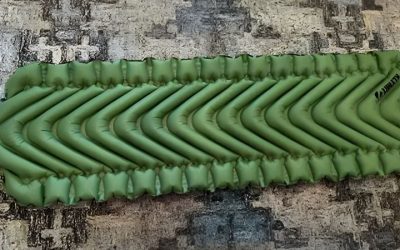
The RidgeRest is the durable budget king, a simple rolled closed-cell pad that is among the cheapest reliable pads you can buy. Its ridged surface traps a little warmth, and it shrugs off years of hard use without failing.
It rolls rather than folds, so it is bulkier to pack, and comfort is basic. For campers who want maximum durability at minimum cost, or a rugged backup pad, though, it is unbeatable value.
Gossamer Gear Thinlight
The Thinlight is the ultralight layering pad, a thin sheet of closed-cell foam far lighter than a full pad at just a couple of ounces. It adds warmth and puncture protection under an air pad or serves as a minimalist sit pad.
It is too thin for comfortable standalone sleeping. As a featherweight warmth booster, pack liner, or sit pad for gram-counting hikers, though, it is a clever, versatile addition.
Therm-a-Rest ProLite
The ProLite is the packable self-inflating pick, blending open-cell foam and air for real cushioning that still rolls up reasonably small at around a pound. It self-inflates most of the way, needing only a few breaths to top off, balancing comfort and convenience.
It is heavier and bulkier than closed-cell foam and can puncture, unlike its indestructible cousins. For backpackers who want more comfort than a foam pad without a plush air pad’s fragility, though, it is a smart middle ground.
Therm-a-Rest MondoKing
The MondoKing is the plush car-camping pad, a thick self-inflating mattress with a high R-value around 7 and mattress-like comfort. It insulates well into cold weather and feels close to sleeping at home, ideal when weight does not matter.
It is heavy and very bulky, ruling it out for backpacking. As a warm, luxurious pad for car camping and base camps, though, it delivers the most comfortable foam-based sleep here.
Market Context: Prices, Timing and Value in 2026
Foam pads are the budget end of sleep systems, but timing still helps in this foam sleeping pad review for 2026. Import cost pressure and the seasonal calendar shape prices, and foam pads remain the cheapest reliable ground insulation you can buy.
Cheap, Tough, and Worth It
Foam pads cost a fraction of premium air pads and never wear out from punctures, so they are among the best values in camping. A closed-cell pad is cheap insurance, whether as a primary pad or a bombproof backup.
Import costs on pads have edged up under 2026 tariff uncertainty, so prices can drift. Buying a proven foam pad now, while it is in stock, beats scrambling before a trip when your size may be gone.
Where the Deals Are
Closeout stock and major sales are the value play. Retailers clear pre-tariff inventory through late 2026, and foam pad designs change little year to year, so a prior-year model performs identically to the new one.
Amazon’s fall event in early October and the late-November Black Friday and Cyber Monday windows bring the best discounts. Foam pads also pair well with air pads and bags, so bundle them during a sale.
Build a Layered System
Consider owning a closed-cell pad even if you use an air pad, since stacking the two adds warmth and a fail-safe backup. It is the cheapest way to extend a sleep system into colder weather.
Self-inflating pads suit campers who want comfort with fewer worries about punctures. Match the foam type to your trips, and you get durable, affordable insulation that lasts for years.
Frequently Asked Questions
These are the questions campers ask most in a foam sleeping pad review.
Are foam pads warm enough for three-season camping?
Closed-cell foam around a 2 R-value suits summer and mild three-season nights, but runs cool in real cold. Thicker self-inflating foam pads reach higher R-values, and you can stack a foam pad under an air pad for warmth.
Why choose foam over an air pad?
Foam pads never puncture, cost far less, and double as sit pads, pack frames, and warmth layers. They are less comfortable than air pads, but their durability and versatility make them a favorite backup or budget choice.
Closed-cell or self-inflating foam?
Closed-cell pads are lighter, cheaper, and indestructible but thin and firm, while self-inflating pads are far more comfortable and warmer at more weight and bulk. Choose by whether you prioritize durability or comfort.
Can I stack a foam pad with an air pad?
Yes, and it is a favorite winter strategy. R-values add together, so a foam pad under an air pad boosts warmth and provides a puncture-proof backup if the air pad fails overnight.
See More:
- Best boots for rocky trails
- Best boots for snow hiking
- Budget hiking shoes
- Premium hiking boots
- Hiking shoe comparison chart
Final Thoughts
This foam sleeping pad review comes down to durability and value: closed-cell pads like the Switchback and Z Lite are cheap, bombproof, and versatile, while self-inflating pads like the ProLite and MondoKing add comfort at more weight. Match the foam type to your trips, consider stacking one under an air pad for cold nights, buy a proven pad while stock lasts, and you will never wake up on a deflated balloon. For the price, few pieces of gear give back as much reliability as a good foam pad.