Key takeaways
What's inside
Best sleeping pad shopping matters more than most campers realize, since your pad controls warmth and comfort even more than your bag. The best sleeping pad balances R-value, weight, and comfort for how you camp, so this guide compares six tested air and foam pads to keep you warm and rested off the cold ground.
As an Amazon Associate we earn from qualifying purchases.
By Jake Thompson, outdoor gear writer and long-time trail tester
How to Choose the Best Sleeping Pad
A pad juggles warmth, comfort, weight, and durability, so know your priorities. Focus on R-value, weight and packability, thickness and comfort, and pad type. Match these four to your climate and camping style, and cold, sleepless nights become a thing of the past on the ground.
R-Value and Warmth
R-value measures how well a pad blocks cold from the ground, and a standardized industry test now lets you compare pads directly. Aim for 1 to 2 for summer, 2 to 4 for three-season, and above 5 for winter.
The ground steals more heat than most campers expect, so warmth often comes down to the pad, not the bag. R-values also stack, letting you add a foam pad under an air pad for cold trips.
Weight and Packability
For backpacking, weight and packed size are decisive. Premium air pads deliver high warmth for around a pound and stuff small, while foam pads are light but bulky, and plush car-camping pads weigh far more.
Match the pad to how you travel. Backpackers should prioritize warmth-to-weight and pack volume, while car campers can ignore both and chase maximum comfort instead.
Thickness and Comfort
Thicker pads cushion hips and shoulders better, which matters most for side sleepers. Around three inches keeps the hips from bottoming out on hard ground, and four-inch pads feel closest to a real mattress.
Comfort also depends on the baffle design. Some pads use body-mapped or air-sprung cells that conform to your shape, offering more even support than simple horizontal chambers.
Pad Type
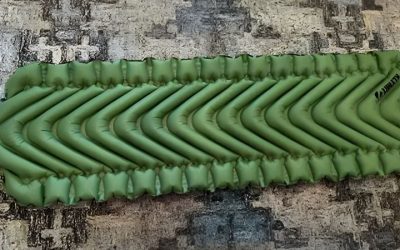
Three types cover most needs. Air pads offer the best warmth-to-weight and comfort but can puncture, foam pads are indestructible but thin and cool, and self-inflating pads balance comfort and convenience at more weight.
Many campers combine types. A durable foam pad paired with an air pad adds warmth and a puncture-proof backup, a favorite strategy for winter and rugged trips.
Top Picks: Best Sleeping Pad
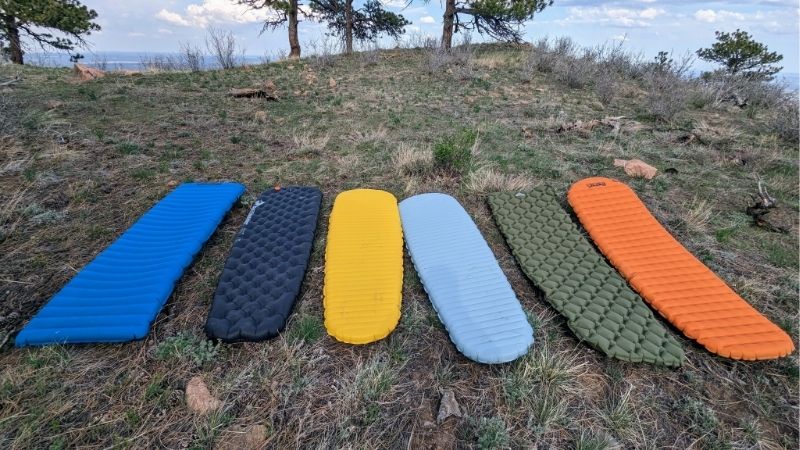
This best sleeping pad roundup spans six picks from premium air to budget foam, with a match for any camper. The table compares type, R-value, and weight, then each pick gets an honest look at its warmth, comfort, and trade-offs.
| Pad | Type | R-Value | Weight | Best For |
|---|---|---|---|---|
| Therm-a-Rest NeoAir XLite NXT | Air | 4.5 | ~13 oz | Best overall 3-season |
| NEMO Tensor All-Season | Air | 5.4 | ~14-15 oz | Side sleepers, quiet |
| Sea to Summit Ether Light XR Insulated | Air | ~3.5-7 | ~1 lb+ | Most comfortable |
| Big Agnes Divide Insulated | Air | ~4 | ~1 lb 3 oz | Best budget air pad |
| NEMO Switchback | Foam | ~2 | ~14.5 oz | Indestructible, versatile |
| Therm-a-Rest NeoAir XTherm NXT | Air | 7.3 | ~15-16 oz | Cold weather |
Therm-a-Rest NeoAir XLite NXT
The XLite NXT is the best overall three-season pad, delivering a 4.5 R-value at around 13 ounces for an unmatched warmth-to-weight ratio. Three inches of baffling and durable 30-denier fabric make it comfortable and reasonably tough, and the WingLock valve inflates easily.
It is pricey, its horizontal baffles feel less plush for side sleepers, and the thin fabric can puncture, so carry a patch kit. For most backpackers, though, it is the benchmark.
NEMO Tensor All-Season
The Tensor is the pick for side sleepers and light sleepers, with a 5.4 R-value, gridded baffles that cushion evenly, and a notably quiet surface that avoids the crinkle of older pads. A good pump sack makes inflation easy without adding moisture.
It costs more than budget pads and, like all air pads, can puncture. For campers who toss and turn or want extra warmth without much weight, though, it is a top choice.
Sea to Summit Ether Light XR Insulated
The Ether Light is the comfort king, at around four inches thick with air-sprung cells that mimic a pocket-spring mattress and conform to your body in any position. A reliable valve allows fast inflation and easy microadjustment of firmness.
It is heavier and bulkier than minimalist pads and pricier than budget options. For side sleepers and comfort-focused campers who refuse to bottom out on hard ground, though, it is superb.
Big Agnes Divide Insulated
The Divide is the best budget air pad, offering solid three-season warmth and comfort for noticeably less than premium models. It delivers respectable insulation and thickness at a friendly price, making it a great entry into quality air pads.
It is not as warm or refined as top-tier pads, and the valve is less advanced. For campers who want a comfortable, insulated air pad without the premium cost, though, it is a smart value.
NEMO Switchback
The Switchback is the indestructible foam pick, a closed-cell pad around 14.5 ounces that can never puncture and doubles as a sit pad, pack frame, or warmth-boosting layer under an air pad. It is cheap, versatile, and endlessly durable.
Its roughly 2 R-value and thin profile make it cool and firm compared to air pads. As a bombproof backup or budget three-season pad, though, it is a thru-hiker staple.
Therm-a-Rest NeoAir XTherm NXT
For cold weather, the XTherm NXT delivers a 7.3 R-value at around 15 ounces, providing a genuine margin of safety when nights drop below 20 degrees. It packs the warmth of a winter pad into a still-backpackable weight.
It costs more and is overkill for warm-weather use. As a four-season pad for winter and alpine trips, or paired with a foam pad on snow, though, it is hard to beat.
Market Context: Prices, Tariffs and Timing in 2026
Pads carry real dollar swings, so timing helps when buying the best sleeping pad in 2026. Import cost pressure and the seasonal calendar shape prices, and premium air pads especially move with the market.
Why Prices Are Uncertain
Most pads are imported, and 2026 tariff policy has stayed in flux even after legal challenges, keeping costs elevated. Premium air pads have edged up as brands use pricing power, while budget foam pads pass costs straight to shoppers.
Because policy keeps shifting, brands call future pricing guesswork. That is a fair reason to buy a proven pad you trust while it is in stock in your size and R-value rather than waiting on a lower price.
Where the Deals Are
Closeout stock is the value play. Retailers are clearing pre-tariff inventory through late 2026, so prior-year versions of proven pads offer real markdowns, since pad designs change little year to year.
Member sales and coupons can shave meaningful amounts off premium air pads. Timing a purchase to a major sale is the surest way to land a top pad for less.
When to Buy
Amazon’s fall event in early October and the late-November Black Friday and Cyber Monday windows bring the deepest cuts, and pads make popular gifts alongside bags. A wishlist plus price tracking helps you buy at the low.
If a trip is booked, prioritize the right R-value and comfort over a small saving. A warm, comfortable pad in hand beats a cheaper one that leaves you cold or bottoming out on the ground.
Frequently Asked Questions
These are the questions campers ask most about the best sleeping pad.
What R-value do I need?
Aim for 1 to 2 for summer, 2 to 4 for three-season use, and above 5 for winter. R-values stack, so you can add a foam pad under an air pad to reach cold-weather warmth.
Are air pads or foam pads better?
Air pads are warmer, thicker, and more comfortable but can puncture, while foam pads are indestructible but thin and cool. Many campers use foam as a durable backup or a warmth-boosting layer under an air pad.
How thick should a pad be for side sleepers?
At least three inches, so hips and shoulders do not bottom out on hard ground. Four-inch pads feel closest to a mattress, which is why side sleepers gravitate to the plushest air pads.
Why am I cold even in a warm bag?
Usually because your pad’s R-value is too low, letting the ground steal heat the bag cannot replace. Match your pad’s warmth to the conditions, and stack a foam pad underneath for very cold nights.
See More:
- Best boots for rocky trails
- Best boots for snow hiking
- Budget hiking shoes
- Premium hiking boots
- Hiking shoe comparison chart
Final Thoughts
The best sleeping pad matches R-value, weight, and comfort to your climate and sleep style, and it often decides your warmth more than the bag does. Backpackers should look at the NeoAir XLite, side sleepers at the Tensor or Ether Light, and budget campers at the Divide or Switchback. Match the R-value to your nights, buy a proven pad while stock lasts, and you will sleep warm and rested off the cold ground. Get the pad right, and the rest of your sleep system finally does its job.