Key takeaways
What's inside
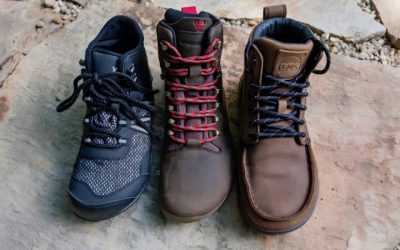
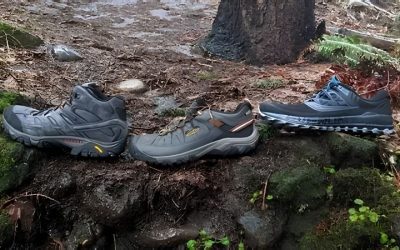
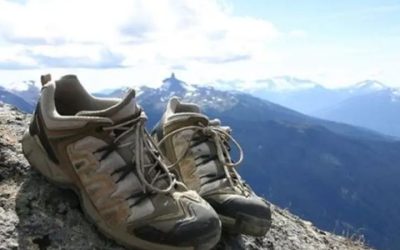
Trekking footwear guide readers face one core question: boots, shoes, or trail runners for the trek ahead? This trekking footwear guide compares six tested picks by load, terrain, and climate so you can match the right footwear to your trek, whether it is a light day loop or a rugged multi-day route.
As an Amazon Associate we earn from qualifying purchases.
By Jake Thompson, outdoor gear writer and long-time trail tester
How to Use This Trekking Footwear Guide
The right trekking footwear depends on four things: your pack weight, terrain, distance and pace, and climate. Weigh these honestly and the choice between a burly boot, a nimble shoe, and a trail runner becomes clear rather than overwhelming. Naming your trek honestly is the single best way to avoid over-buying or under-buying footwear.
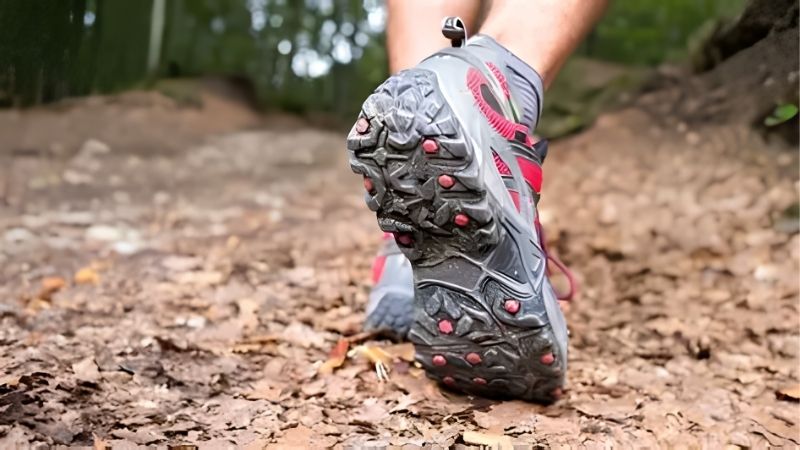
Pack Weight and Support
Heavy loads reward supportive boots. A stiff sole and structured collar steady the ankle under thirty-plus pounds on rough ground, reducing rolls and fatigue late in a long trekking day when tired legs get sloppy.
Light loads open the door to shoes and runners. If your pack is minimal and your ankles strong, a lighter shoe moves faster with less effort over the same trek.
Terrain and Traction
Rugged, rocky, or off-trail treks call for protection and sticky rubber. Boots shield the foot from talus and stone bruises, while technical models add rands and stiff platforms for edging on steep, blocky ground.
Smooth, well-graded trails let lighter footwear shine. On maintained paths, a nimble shoe or trail runner grips fine and saves energy, so match protection to how rough the route really is.
Distance, Pace, and Weight
Weight on the feet compounds over trekking miles, so fast, long days favor lighter footwear. Trail runners can weigh under a pound and a half a pair, versus nearly three for a burly boot, easing fatigue over distance.
Slower, heavier treks lean toward boots for all-day support. Decide whether your priority is covering ground quickly or moving deliberately with maximum protection under load.
Climate and Waterproofing
Wet, cold, or snowy treks benefit from waterproof membranes and, in winter, insulation. Dry, hot treks favor breathable, non-waterproof footwear that vents heat and dries fast after crossings.
Match the membrane to your climate rather than defaulting to waterproof. A breathable shoe is cooler and quicker-drying in summer, while a lined boot keeps feet dry in shoulder-season slop.
Top Picks: Trekking Footwear Guide
Here are six trekking footwear picks spanning burly boots to nimble runners, so there is a match for any trek. The table compares weight, type, and best use, then each pick in this trekking footwear guide gets an honest look at who it suits and where it compromises.
| Model | Type | Weight (pair, men’s) | Best For |
|---|---|---|---|
| Salomon Quest 4 GTX | Backpacking boot | ~2 lb 14 oz | Heavy loads, rough terrain |
| Salomon X Ultra 5 Mid GTX | Lightweight boot | ~1 lb 15 oz | Fast, supported trekking |
| Hoka Speedgoat 6 | Trail runner | ~1 lb 5 oz | Light, fast miles |
| Scarpa Zodiac Plus GTX | Technical boot | ~2 lb 6 oz | Rocky, alpine terrain |
| Merrell Moab 3 Mid WP | Budget boot | ~2 lb 4 oz | Value all-rounder |
| Altra Olympus 6 Hike GTX | Wide trail shoe | Mid | Wide feet, natural stride |
Salomon Quest 4 GTX
For heavy, multi-day treks over rough terrain, the Quest 4 is the support benchmark. Its 4D chassis, tall Gore-Tex collar, and Contagrip TD outsole deliver stability and a locked heel on steep, loaded descents where lighter footwear feels sketchy.
At nearly three pounds it is heavy, warm in summer, and needs a real break-in. But for expedition loads and demanding ground, it is exactly the support a serious trek demands.
Salomon X Ultra 5 Mid GTX
The X Ultra 5 Mid is the pick for fast trekking with support. At about 1 lb 15 oz it is light for a mid boot, yet Gore-Tex and Contagrip keep feet dry and planted on technical dirt and moderate loads, blending speed with stability.
It offers less protection than a heavy boot and runs narrow, so wide feet should try first. For hikers who want support without the bulk on quicker treks, it is near-ideal.
Hoka Speedgoat 6
For light, fast treks, the Speedgoat brings plush cushion and a grippy Vibram Megagrip outsole in a surprisingly light package. It eases long-mileage days for trekkers with light packs and strong ankles who value speed over protection.
Hoka’s fit runs narrow, it lacks an ankle collar, and it wears faster than a boot. For fast-and-light trekking, though, it is a benchmark trail runner.
Scarpa Zodiac Plus GTX
For rocky, alpine treks, the Zodiac Plus edges and holds where softer footwear smears, thanks to a stiff midsole and Vibram Drumlin outsole. Its Perwanger suede upper and rubber rand resist abrasion, and Gore-Tex handles wet scree.
The stiffness feels rigid on mellow ground and needs breaking in, and it is pricey. For treks involving real edging, heavy loads, and rough alpine terrain, though, it earns the premium.
Merrell Moab 3 Mid WP
The budget all-rounder, the Moab 3 Mid handles most treks with a Vibram TC5+ outsole, padded collar, and durable upper, all well below premium prices. It is comfortable out of the box and dependable for day hikes and moderate backpacking.
It is heavier and less breathable than athletic options, and skates on slick rock. For trekkers who want reliable support and value on easy-to-moderate routes, though, it is the safe pick.
Altra Olympus 6 Hike GTX
For wide feet and a natural stride, the Olympus Hike brings Altra’s roomy FootShape toe box to a rugged, cushioned, waterproof trekking shoe with a premium Vibram outsole. The extra cushion eases the load that zero drop can place on the body.
It is heavier and pricier than the Lone Peak, and still needs the zero-drop transition. For wide-footed trekkers who want toe room plus real trail protection, though, it is the most capable Altra.
Market Context: Prices, Tariffs and Timing in 2026
Whatever your trek, 2026 pricing rewards timing across this trekking footwear guide. Imported footwear costs remain uncertain under shifting tariff policy, but closeout stock and the seasonal calendar open real chances to save on any category.
Why Prices Are Uncertain
Boots, shoes, and runners are all imported, and 2026 tariff policy has stayed in flux even after legal challenges, keeping costs elevated. Premium models have risen using pricing power, while budget picks pass costs straight to shoppers.
Because policy keeps shifting, brands call future pricing guesswork. That is a fair reason to buy a proven trekking model you trust while it is in stock and correctly sized rather than waiting.
Where the Deals Are
Closeout stock is the value play. Retailers are clearing pre-tariff inventory through late 2026, so last-season versions of trekking boots and runners offer real markdowns with near-identical performance.
Trail runners update yearly, so their prior model often sells at a steep discount. Boots change less, making last season’s colorway an easy way to save on serious trekking footwear.
When to Buy
Back-to-school demand firms up early-fall prices, but Amazon’s fall sale event in early October and the late-November Black Friday and Cyber Monday windows bring the deepest cuts. A wishlist plus price tracking helps you buy at the low.
If a trek is booked, prioritize fit and break-in over a small saving, and allow transition time for low-drop shoes. Proper footwear in hand beats a cheaper pair that arrives late.
Frequently Asked Questions
These are the questions hikers ask most when using a trekking footwear guide.
Boots or trail runners for trekking?
Boots suit heavy loads and rough terrain with their support and protection, while trail runners suit light loads, fast pace, and strong ankles. Match the choice to your pack weight, terrain, and climate.
Do I need waterproof footwear for every trek?
No. Waterproof membranes help in wet, cold, or snowy conditions but run hotter and dry slower. For dry, hot treks, breathable non-waterproof footwear is cooler and quicker to dry after crossings.
How much break-in do trekking boots need?
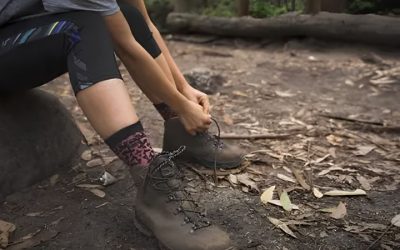
Burly and technical boots can need up to twenty miles before the sole flexes and the collar softens. Wear them on short local walks first so hot spots appear near home, not mid-trek.
Can one pair handle every trek?
Many trekkers choose based on their most common conditions. A supportive mid boot covers a wide range, while dedicated picks handle extremes like heavy loads, technical rock, or fast-and-light travel better, so most trekkers eventually own two pairs for different trips.
See More:
- Best boots for rocky trails
- Best boots for snow hiking
- Budget hiking shoes
- Premium hiking boots
- Hiking shoe comparison chart
Final Thoughts
This trekking footwear guide comes down to matching footwear to the trek: burly boots for heavy loads and rough terrain, lightweight boots and runners for fast miles, and roomy shoes for wide feet. Weigh your load, terrain, and climate against the six picks above, buy a proven model while sizes last, and your feet will carry you through any trek in comfort. Match the footwear to the trip, not the trip to the footwear, and every mile feels better.