Key takeaways
What's inside
Trail grip guide readers know a slip on wet rock or ice can end a hike fast, so this rundown covers the traction that keeps you upright. We explain what makes an outsole grip, then compare six of the best grippy shoes, boots, and traction devices for sure-footed hikes in 2026, from slick wet rock to hard winter ice.
As an Amazon Associate we earn from qualifying purchases.
By Jake Thompson
How to Use This Trail Grip Guide
Grip comes from the outsole, the terrain, and sometimes an add-on device. This trail grip guide sorts traction by rubber compound, lug design, and when you need spikes. The criteria below help you build sure footing for the conditions you actually hike.
Outsole Compound
Rubber compound decides wet grip. Sticky compounds like Vibram Megagrip and Salomon Contagrip bite hard on slick rock and roots, while firmer, more durable rubber lasts longer but grips less. The stickiest outsoles trade some longevity for confidence underfoot.
Match compound to your priorities. Technical, wet terrain rewards a soft, sticky outsole, while high-mileage hikers on dry trails may prefer a harder compound that lasts. The best grip on paper is not always the best for your miles. A hiker who logs road walks between trails will burn through a soft compound quickly, so factor in the pavement your route crosses, not just the trail itself.
Lug Depth and Pattern
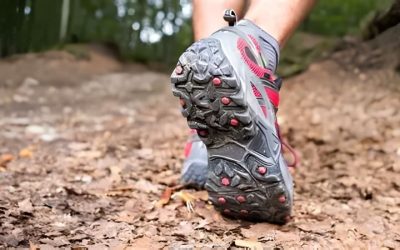
Lugs are the traction teeth. Deep, widely spaced lugs dig into mud and soft ground and shed debris, while shallower, denser lugs grip hardpack and rock better. The pattern matters as much as the depth for confident footing.
Aggressive lugs feel awkward and slippery on rock and pavement, so match tread to terrain. Mud and loose dirt call for deep lugs, while rocky and mixed trails reward a moderate, multi-directional pattern that grips a variety of surfaces.
When You Need Traction Devices
Outsoles cannot grip ice. When trails freeze, add-on microspikes or traction devices pull over your shoes and bite into hard-packed snow and ice, transforming a treacherous descent into a safe one. They are essential winter safety gear. Even a short icy patch on an otherwise clear trail can cause a dangerous fall, so carrying spikes on cold-season hikes is cheap insurance.
Match the device to the conditions. Light spikes handle icy paths and rolling trails, while aggressive crampon-style spikes suit steep, bulletproof ice. Remove them on bare rock, since hardened spikes wear fast and can scratch protected surfaces.
Top Picks: The Best Trail Grip Gear
The heart of this trail grip guide is the shortlist below, spanning grippy footwear and winter traction devices. The table gives a quick overview; the write-ups explain who each pick suits and the honest compromise that comes with it.
| Model | Type | Traction | Best For |
|---|---|---|---|
| Hoka Speedgoat 7 | Trail runner | Vibram Megagrip | Wet rock and roots |
| Salomon X Ultra 5 | Hiking shoe | Contagrip | Technical terrain |
| La Sportiva Bushido III | Technical shoe | Sticky outsole | Alpine scrambles |
| Merrell Moab 3 | Hiking shoe/boot | Vibram TC5+ | Everyday value |
| Kahtoola MICROspikes | Traction device | 12 steel spikes | Ice and packed snow |
| Yaktrax Pro | Traction device | Coil and spike | Budget winter grip |
Hoka Speedgoat 7
The wet-rock benchmark, the Speedgoat pairs a Vibram Megagrip outsole with deep, confident lugs that bite on nearly any surface. Its sticky compound grips slick rock, roots, and mud, making it a top choice for technical trails and long descents.
The sticky rubber wears faster than firmer compounds, and the upper runs snug. But for hikers and runners who prioritize wet-terrain traction above all, it is one of the grippiest options in this trail grip guide.
Salomon X Ultra 5
The technical-terrain pick, the X Ultra 5 uses Salomon’s Contagrip outsole and a stable chassis to stay planted on rocky, off-camber ground. Its multi-directional lugs and secure fit deliver confident footing on the kind of trails that trip up softer shoes.
It runs narrow and sits at a premium price. But for hikers who move fast over technical terrain and want a grippy, stable shoe that performs like a trail runner with more protection, it is a standout.
La Sportiva Bushido III
The alpine-scramble specialist, the Bushido pairs a sticky outsole with a firm, low-to-the-ground ride for precise control on rock. Its climbing-bred grip and stability shine on steep, technical, off-camber terrain where confident foot placement matters most.
It is firm and narrow with modest cushion, so it is not ideal for long road miles or wide feet. But for technical mountain grip on rock and scree, few shoes deliver such surefooted precision.
Merrell Moab 3
The everyday-value pick, the Moab 3 uses a Vibram TC5+ outsole that grips mixed terrain well at a friendly price. Available as a shoe or boot, it delivers dependable traction and out-of-the-box comfort for casual trails and first-time hikers.
Its lugs are less aggressive than dedicated technical outsoles, so it grips less on the steepest wet rock. But for everyday hiking on moderate terrain, its reliable traction and value are hard to beat.
Kahtoola MICROspikes
The ice-traction benchmark, Kahtoola MICROspikes pull over any footwear with a flex-chain harness and twelve stainless steel spikes that bite into packed snow and ice. Durable and reliable, they turn treacherous frozen trails into safe, confident walking.
They lack an instep strap, so they can slip or get lost in deep postholing, and they carry a premium price. But for most winter hikers on icy trails, they are the most trusted traction device available.
Yaktrax Pro
The budget winter option, Yaktrax Pro combine coils and a strap for light traction on flat, icy paths and packed snow at a fraction of the price of steel spikes. They are easy to slip on for winter walks and gentle trails.
The rubber and coils are less durable and far less aggressive than microspikes, so they are not for steep or technical ice. But for casual winter walking and icy sidewalks, they add cheap, useful grip.
What Tariffs and Timing Mean for Grip Buyers in 2026
Across this trail grip guide, 2026 pricing is shaped by trade policy and the calendar, since footwear and traction devices are largely imported. Reading the market helps you buy grippy gear for less before you need it.
Import Tariffs and Prices
Most grippy shoes and traction devices are made overseas, and 2026 tariff policy remains unsettled after shifting court rulings and new investigations. Prices sit in the storm as a result, and many brands admit future pricing is only a best guess.
That uncertainty favors buying gear you want when it is in stock at a fair price. Traction devices in particular are worth grabbing before winter, when demand spikes and popular sizes sell out fast.
A Split Market and Closeouts
The 2026 market is bifurcated: premium brands raise prices, while mid-tier makers pass costs straight to buyers. That squeezes value shoppers, but it also opens deals in the gap between the tiers for patient hikers.
Retailers are clearing pre-tariff inventory through late 2026, so last season’s shoes and spikes appear at real markdowns. A previous-year model grips identically, making those closeouts the most dependable way to save.
Seasonal Timing
Timing rewards planning. Late summer and early fall bring pre-sale pricing on grippy footwear, while Amazon’s fall Prime event, expected in early October, is a strong window to buy microspikes before winter demand hits.
For the deepest cuts, Black Friday and Cyber Monday in late November lead the year. Buy traction devices early, since they sell out fast once the first freeze arrives and everyone reaches for winter grip at once.
Frequently Asked Questions
A few questions come up whenever hikers use a trail grip guide. Here are quick, practical answers to help you stay sure-footed on any surface.
What outsole grips best on wet rock?
Sticky compounds like Vibram Megagrip and Salomon Contagrip lead on wet rock and roots. They trade some durability for grip, so high-mileage hikers on dry trails may prefer a firmer, longer-lasting compound instead.
Do I need microspikes for winter hiking?
On icy or packed-snow trails, yes. Outsoles alone cannot grip ice, so microspikes are essential safety gear when trails freeze. Match the aggressiveness to your terrain, from light spikes for paths to crampon-style for steep ice.
How deep should my lugs be?
It depends on terrain. Deep lugs shed mud and grip soft ground, while shallower, denser lugs handle rock and hardpack better. Aggressive lugs feel slippery on rock and pavement, so match tread to your usual surfaces.
Can I wear microspikes on bare rock?
Avoid it. Hardened spikes wear down quickly on rock and pavement and can scratch protected trails. Remove them on dry sections longer than a short stretch, carrying a small stuff sack for quick removal and reattachment.
See More:
Final Thoughts
The takeaway from this trail grip guide is that sure footing comes from matching outsole and traction to your terrain. Choose a Megagrip or Contagrip shoe for wet rock, and add microspikes when trails freeze. Buy grippy gear before you need it, and shop when stock and pricing align, since tariff uncertainty on imported footwear makes waiting a gamble in 2026.