Key takeaways
What's inside
Merino wool socks review shoppers want warmth, odor resistance, and durability in one sock, so this merino wool socks review tests six of the best merino pairs for 2026. We compare merino content, cushion, temperature range, and durability so you can pick socks that keep your feet dry, warm, and comfortable on every trail.
As an Amazon Associate we earn from qualifying purchases.
By Jake Thompson
How to Choose Merino Wool Socks
Not all merino socks are equal, so buying well means looking past the label. This merino wool socks review groups pairs by wool content, cushion, temperature range, and durability. The criteria below help you match a merino sock to your trips.
Merino Content and Blend
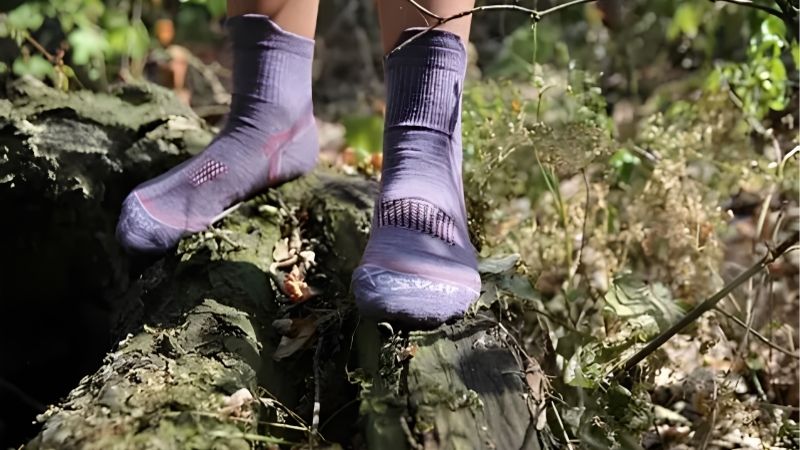
The percentage of merino shapes performance. Higher merino content, like 74%, maximizes warmth and odor resistance, while blends around 60% add more nylon and spandex for durability and stretch. Pure wool is rare, since a blend lasts far longer on the trail.
Match content to your goal. Warmth-focused winter socks lean high-merino, while all-around three-season socks balance merino with synthetics for durability. Neither is wrong, so weigh cozy insulation against how many miles the sock must survive.
Cushion and Weight
Cushion balances comfort against heat. Light-cushion merino breathes for summer and trail runners, medium cushion suits most three-season hiking, and full cushion adds warmth and impact protection for cold weather and heavy loads over rough terrain.
Consider your footwear too. Thick merino can cramp low-volume trail runners, while thin socks feel harsh under a heavy pack. Choose the cushion that matches your shoes and the temperatures you hike in most often.
Temperature Range
Merino’s superpower is temperature regulation, keeping feet warm in cold and comfortable in mild heat. Still, a thick winter sock overheats in summer, and a light summer sock cannot warm frigid feet. Match the sock’s weight to your season.
Think honestly about your climate. Full-cushion merino shines below roughly 50 degrees, while light merino suits warm-weather miles. Owning one of each covers most conditions better than forcing a single pair to do everything year-round.
Care and Durability
Merino needs gentle care to last. Wash cool and avoid high heat, which shrinks and weakens the fibers. Merino-nylon blends resist wear far better than pure wool, and top brands back their socks with generous lifetime guarantees.
Durability varies by construction. Densely knit socks with reinforced heels and toes outlast thin ones, and a lifetime warranty offsets a higher upfront cost. Weigh price against how many miles and washes the sock will endure.
Top Picks: The Best Merino Wool Socks
The heart of this merino wool socks review is the shortlist below, spanning light to full cushion and everyday to winter warmth. The table gives a quick overview; the write-ups explain who each pair suits and its honest limitation.
| Model | Merino | Cushion | Best For |
|---|---|---|---|
| Darn Tough Hiker Micro Crew | ~61% merino | Light/medium | Best overall |
| Darn Tough Hiker Full Cushion | Merino blend | Full | Max protection |
| Smartwool Mountaineer Max Cushion | 74% merino | Full | Cold weather |
| Smartwool Hike Light Cushion | Merino blend | Light | Precise fit |
| REI Merino Lightweight Crew | Merino blend | Light | Budget merino |
| Farm to Feet Damascus Light | Merino blend | Light targeted | Hot-weather merino |
Darn Tough Hiker Micro Crew Cushion
The best overall merino pick, the Hiker Micro Crew pairs about 61% merino with nylon and spandex for a tough, seamless sock with light-to-medium cushion. It wicks moisture, resists odor, and survives heavy mileage, backed by a lifetime guarantee.
It costs more than budget socks, and the durable, high-density knit is less plush than softer options. But for most hikers in most three-season conditions, its blend of comfort, durability, and warranty makes it the standout of this merino wool socks review.
Darn Tough Hiker Full Cushion
For maximum protection, the Full Cushion version adds dense padding underfoot for impact absorption on rugged terrain and heavy loads. It keeps merino’s odor resistance and moisture control while cushioning every step, and the lifetime guarantee still applies.
The extra cushion runs warm, making it overkill for hot summer hikes. But for cold-weather trips, winter camping, and rocky trails under a big pack, its plush protection and durability are hard to beat.
Smartwool Classic Mountaineer Max Cushion
The warmth champion, the Mountaineer uses 74% merino and dense, full cushioning to trap heat inside boots. Its extended height and plush knit make it ideal for winter hikes, icy expeditions, and cold-weather camping when feet run cold.
That warmth is too much for normal three-season hiking, and many find it stifling above roughly 50 degrees. But for frigid conditions where insulation matters most, few merino socks keep feet as cozy through the night.
Smartwool Hike Light Cushion
For a precise fit, the Hike Light Cushion pairs merino comfort with a snug, shaped construction and better moisture control in damp conditions. It suits hikers who want light cushioning with a locked-in feel that resists bunching over miles.
It carries a premium price, and its durability, while good, trails the toughest merino-nylon blends. But for hikers who prioritize a dialed, snug fit and damp-weather performance, it is a comfortable, well-made choice.
REI Co-op Merino Lightweight Crew
The budget merino pick, the REI Lightweight Crew offers high merino content, light cushioning, and solid moisture-wicking at a well-below-average price. It is an affordable way to enjoy merino’s comfort and odor resistance on warm-weather trail miles.
It runs big and feels a touch less polished and durable than pricier options. But for hikers who want genuine merino performance without the premium cost, it delivers strong value that punches above its price.
Farm to Feet Damascus Light
The hot-weather merino pick, the Damascus Light pairs a merino blend with light, targeted cushioning and gentle compression. It ventilates better than heavier socks on warm treks while still wicking moisture and resisting odor over long miles.
The light cushion offers less impact protection on rugged terrain under a heavy pack. But for hot-weather hikers who want merino comfort without excess heft, it is a breathable, well-fitting choice backed by a lifetime guarantee.
What Tariffs and Timing Mean for Sock Buyers in 2026
Beyond comfort, this merino wool socks review has a budget angle for 2026, since socks are imported textiles priced against trade policy and the calendar. Reading the market helps you stock quality merino for less.
Import Tariffs and Textile Prices
Most merino socks are made overseas, and 2026 tariff policy remains unsettled after shifting court rulings and new investigations. Textile prices sit in the storm as a result, and many brands admit future pricing is only a best guess.
Because merino socks are inexpensive and durable, buying a few pairs now is low-risk. When your favorite socks are in stock at a fair price, stocking up beats waiting on imported goods that tariffs keep under pressure.
Closeouts and Multi-Pair Deals
Socks are where bundle savings shine. Retailers clearing pre-tariff inventory through late 2026 often discount last season’s colors, and buying a multi-pair pack frequently unlocks better per-pair pricing than single purchases.
Watch value-tier deals especially, since mid-range brands pass costs straight through. A previous-year colorway of a proven merino sock performs identically, so the markdown is pure savings with no compromise in comfort.
Seasonal Timing
Timing helps too. Late August into September brings pre-sale pricing, while Amazon’s fall Prime event, expected in early October, is ideal for stocking warm merino socks at a discount just before winter sets in.
For the deepest cuts, Black Friday and Cyber Monday in late November lead the year, and merino socks make easy gifts. Build a list now so you can buy several pairs at once when prices bottom out.
Frequently Asked Questions
A few questions come up whenever hikers read a merino wool socks review. Here are quick, practical answers to help you choose the right merino pair.
Why are merino wool socks better for hiking?
Merino regulates temperature, resists odor, and stays comfortable even when damp, unlike cotton or plain synthetics. It keeps feet warm in cold and cool in mild heat, which is why merino blends are the top all-around hiking sock.
Are merino socks too hot for summer?
Not the light ones. Thin, light-cushion merino breathes well and wicks sweat, staying comfortable on warm hikes. Only thick, full-cushion winter socks overheat in summer, so match the sock’s weight to the season.
Do merino socks really resist odor?
Yes, notably. Merino naturally inhibits odor-causing bacteria, so socks stay fresher over multi-day trips than synthetics. Many backpackers wear the same merino pair for several days with far less funk than cotton or polyester.
How do I wash merino wool socks?
Machine wash cool or warm and avoid high heat, since hot drying shrinks and weakens the fibers. Air drying or a low tumble preserves the wool. Gentle care keeps merino socks comfortable and durable for years.
See More:
Final Thoughts
The takeaway from this merino wool socks review is that the right merino sock keeps feet dry, warm, and odor-free for years. The Darn Tough Micro Crew suits most hikers, the Smartwool Mountaineer owns cold weather, and the REI Lightweight wins on value. Match cushion to your season, and buy when stock and pricing align, since tariff uncertainty on imported textiles makes waiting a gamble in 2026.