Key takeaways
Hammock vs tent is the debate that splits every campsite, and the honest answer depends on your terrain, climate, and comfort. This guide breaks down how the two shelter styles compare on weight, weather, and cost for 2026, then names the top picks for each side so you can choose with confidence.
As an Amazon Associate we earn from qualifying purchases.
Our top picks


As an Amazon Associate we earn from qualifying purchases at no extra cost to you.
By Jake Thompson
How to Decide Between a Hammock vs Tent
There is no universal winner in the hammock vs tent question; there is only the right call for your trips. The decision comes down to where you camp, what weather you face, and how you like to sleep. These criteria sort it out fast.
Terrain and Trees
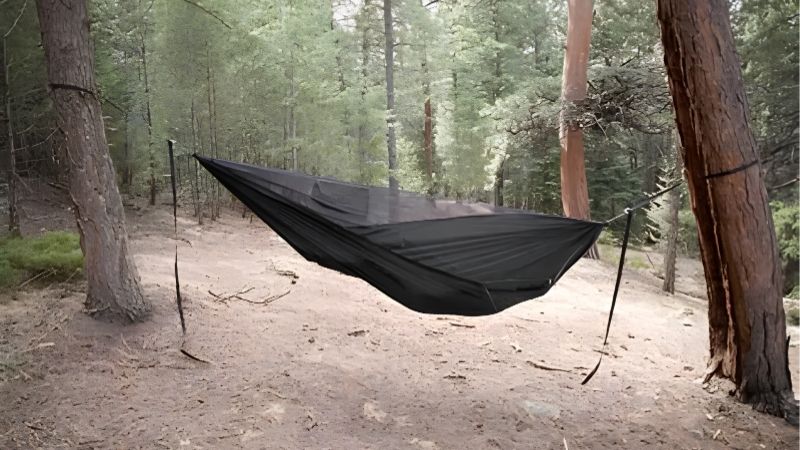
Hammocks need two healthy trees spaced correctly, which makes forests ideal and open alpine or desert terrain a non-starter. Tents pitch almost anywhere, from rocky ledges to sandy washes, giving them a decisive edge above treeline or on bare ground.
Scout your usual trails first. If you camp in woodlands, a hammock opens up sloped, rocky, or root-covered spots a tent cannot use. If your routes climb above the trees, a tent is the only shelter that reliably works.
Weather and Bug Protection
Tents seal you in against wind, driving rain, and insects with a single integrated unit. Hammocks handle rain with a tarp and bugs with a net, but cold air underneath robs warmth, so a hammock needs an underquilt in cool conditions.
Match this to your climate. In warm, buggy forests a hammock with net and tarp sleeps beautifully, while in cold, exposed, or stormy conditions a tent’s enclosed protection and floor keep you warmer and drier with less fuss.
Comfort and Sleep Style
Comfort is personal in the hammock vs tent choice. Many sleepers love a hammock’s gentle cradle and the way it ignores rocky, uneven ground, sleeping best on their back at a slight diagonal for a flatter lie.
Side and stomach sleepers, and anyone who tosses, often rest better in a tent on a good pad. Couples and families also fit a tent more naturally. Try a hammock overnight before committing to it as your main shelter.
Top Picks: Best Hammocks and Tents Compared
This hammock vs tent shortlist covers three strong hammocks and three proven tents, so you can pick the best of whichever side fits your style. The table gives a quick side-by-side; the write-ups explain the real trade-off behind each choice.
| Model | Type | Weight | Best For |
|---|---|---|---|
| ENO DoubleNest | Hammock | ~1 lb 3 oz | Value forest camps |
| Kammok Mantis UL | Hammock system | ~2 lb 3 oz | All-in-one kit |
| Warbonnet Blackbird | Hammock | ~16 oz body | Backpacking comfort |
| Big Agnes Copper Spur HV UL2 | Tent | ~3 lb | All-round shelter |
| REI Half Dome 2 | Tent | ~4 lb 13 oz | Value comfort |
| NEMO Dagger OSMO 2P | Tent | ~3 lb 15 oz | Livable weather |
ENO DoubleNest
The DoubleNest is the value hammock, about 1 lb 3 oz of 70D nylon with a 400-lb capacity that stuffs to grapefruit size. Easy to hang in minutes, it is the friendliest entry into forest camping and doubles as a superb lounging hammock.
Straps sell separately, and real weather protection means adding a tarp, bug net, and underquilt, which raises weight and cost. As a warm-season forest shelter and camp lounger, though, it is hard to beat for the money.
Kammok Mantis UL
The Mantis UL is the best all-in-one hammock, near 2 lb 3 oz with knotless suspension, an integrated bug net, and a rainfly in one kit. You can be hung and ready in under a minute, making it the simplest complete hammock system to deploy.
It is the priciest sling here, and at just over two pounds it weighs more than a stripped hammock body alone. But for hikers who want everything in one purchase, the convenience and comfort justify the premium.
Warbonnet Blackbird
The Blackbird is the backpacker’s comfort favorite, with a roughly 16-oz body, an asymmetric bug net, a genuine gear shelf, and a trustworthy 350-lb limit. Its side-pull design and thoughtful storage make long forest nights genuinely restful.
Standard looped webbing is not included, so the suspension has a learning curve, and a full weather setup adds components. For dedicated hammock campers who prize comfort and features, though, it is a benchmark in the hammock vs tent debate.
Big Agnes Copper Spur HV UL2
The Copper Spur is the tent side’s all-rounder, about 3 lb with two doors, steep walls, and roughly 29 sq ft of floor. DAC poles and HyperBead fabric give a fast, go-anywhere pitch that seals out bugs and weather above or below treeline.
Thin fabrics reward a footprint and gentle handling, and it costs more than heavier tents. But for campers who want reliable, enclosed protection on any terrain, it is the easiest tent to recommend against any hammock.
REI Half Dome 2
The Half Dome is the value tent, near 4 lb 13 oz with a tough 75D floor, near-vertical walls, and two doors. It offers more livable volume than most ultralight tents at a friendly price, making it a superb first backcountry shelter.
It is heavier than premium tents and bulkier in the pack, so gram-counters look elsewhere. For weekend backpackers and beginners who value space, durability, and value over ounces, it is a dependable, comfortable pick.
NEMO Dagger OSMO 2P
The Dagger is the livability champion, roughly 3 lb 15 oz with about 31 sq ft, two large doors, and huge vestibules. PFAS-free OSMO fabric resists sag and stretch, keeping the pitch taut through a long, wet night in the backcountry.
It weighs more than minimalist tents and costs a premium, so ultralight hikers may pass. For those who wait out weather and want a tent that feels roomy and stays taut, it is the most comfortable pick here.
Hammock vs Tent: Cost and Timing in 2026
Beyond comfort, the hammock vs tent decision has a budget angle in 2026, since both styles use metal hardware exposed to tariffs and both go on sale at predictable times. Reading the market helps you buy either shelter for less.
Metal Tariffs and Hardware
Section 232 steel-and-aluminum tariffs (around 50%) remain in force. Tents rely on aluminum poles and stakes, while hammocks use aluminum carabiners and suspension hardware, so both styles feel upward cost pressure on their metal components.
Neither shelter escapes the trend, so the takeaway is the same: buy when your chosen shelter is in stock at a fair price. Brands say future pricing is uncertain, making a good deal today worth locking in.
A Split Market and Closeouts
The 2026 market is bifurcated, with premium brands raising prices and mid-tier makers passing costs through. That squeezes value shoppers, but retailers clearing pre-tariff inventory create real closeout deals through the back half of the year.
Last season’s hammocks and tents perform identically to current models, so a previous-year color at a markdown is pure savings. Watching the gap between premium and mid-range gear is the smartest way to save on either side.
Seasonal Timing
Timing helps both camps. Late August into September brings pre-sale pricing with full stock, while Amazon’s fall Prime event, expected in early October, is a strong window for shelters and hammock accessories alike.
For the deepest cuts, Black Friday and Cyber Monday in late November lead the year. Build a shortlist now and buy at the start of a sale, since popular hammocks and tents can sell out before the event ends.
Frequently Asked Questions
A few questions come up constantly in the hammock vs tent debate. Here are quick, practical answers to help you commit to the right shelter for your trips.
Is a hammock warmer or colder than a tent?
Colder, without extra gear. Air circulating beneath a hammock strips body heat, so cool nights demand an underquilt or pad. A tent traps warmth against the ground more easily, which is why hammocks feel chilly to unprepared campers.
Which is lighter, a hammock or a tent?
A bare hammock is lighter, but a full hammock system with tarp, net, and underquilt often matches or exceeds an ultralight tent. Compare complete setups, not just the hammock body, to judge the real weight difference.
Can two people share a hammock?
For lounging, yes; for sleeping, rarely comfortably. Double hammocks fit two for relaxing but sag awkwardly for two sleepers. Couples who want to sleep together are almost always better served by a two-person tent.
Which is better for beginners?
A tent, generally. It pitches anywhere, seals out weather, and forgives mistakes, while a comfortable hammock hang takes practice and the right trees. Beginners often start with a tent and add a hammock later for specific forest trips.
See More:
Final Thoughts
The hammock vs tent choice is not about a winner but about your terrain and sleep style. Choose a hammock for warm, forested trips where its cradle shines, and a tent for exposed ground, cold, or when you camp with others. Whichever side you land on, buy when stock and pricing align, since tariff pressure on aluminum hardware makes waiting a gamble on both shelters in 2026.