Key takeaways
What's inside
Budget camping tents do not have to mean a soaked, sagging night, and this budget camping tents guide proves it with seven affordable picks for 2026. From big-box domes to crossover shelters, we compare real weights, floor space, poles, and waterproofing so you can find affordable tents that actually hold up.
As an Amazon Associate we earn from qualifying purchases.
By Jake Thompson
How to Choose the Right Budget Camping Tents
Affordable shelters vary more than the price tags suggest, so a little knowledge goes a long way. This guide to budget camping tents sorts the field by poles, fabrics, weight, and intended use. The factors below help you spend wisely rather than cheaply.
Poles: Fiberglass vs. Aluminum
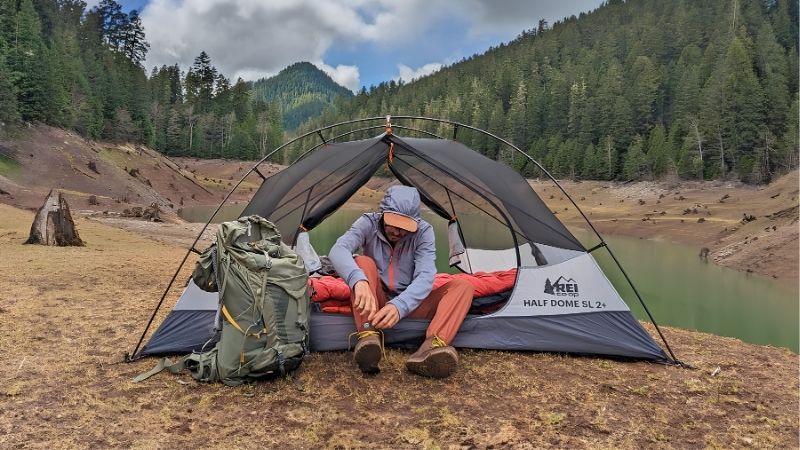
Poles make or break a cheap tent. Many budget tents use fiberglass poles, which are heavier and more prone to splintering than aluminum. If a model offers an aluminum-pole version, it is usually the single best durability upgrade you can make.
That said, fiberglass is fine for calm-weather campground use. If you rarely face strong wind, a fiberglass-poled tent can last years with careful setup. Save aluminum for exposed sites where a snapped pole ends the trip.
Fabrics and Waterproofing
Waterproof ratings and floor denier tell you a lot. Look for a rainfly around 2,000 mm or higher and a floor of 75D or more, which resist punctures and downpours far better than the thinnest value fabrics.
Mesh quality also matters. Cheaper budget tents often use larger, lower-grade mesh that snags and lets in fine bugs. Treat the mesh gently and you will extend the life of an otherwise capable inexpensive tent.
Weight and Portability
Most budget tents are car-camping tools, not backpacking gear. Big-box domes can top 12 to 13 lb, which is irrelevant a few steps from the trunk but punishing on trail. Crossover models like the Marmot Tungsten or Naturehike CloudUp stay light enough for short hikes.
Be realistic about how you camp. If you never walk far from the car, prioritize space and weather protection over grams. If you want occasional trail use, lean toward a lighter crossover design instead.
Capacity and Livability
Tent capacities run optimistic, so size up for comfort. A “four-person” budget tent fits four snugly with no gear room; drop to two or three occupants for a livable setup with space for packs and boots.
Peak height and vestibules add real comfort. Near-vertical walls, a tall peak, and a covered porch make cheap tents feel far more livable, so weigh those features alongside the raw floor dimensions.
Top Picks: The Best Budget Camping Tents Right Now
The heart of this guide is the shortlist below. Each of these budget camping tents is a current, widely available model spread across sizes and uses. The table gives a fast side-by-side, and each write-up explains who the tent actually fits.
| Model | Type | Poles | Best Use | Best For |
|---|---|---|---|---|
| Coleman Skydome 4 | Dome car camping | Fiberglass | Campground | Big-box value, headroom |
| Kelty Wireless 6 | Family dome | Aluminum | Campground | Families, better build |
| Kelty Late Start 2 | Freestanding | Aluminum | Car + light hikes | Easy setup, beginners |
| Marmot Tungsten 2P | Crossover | Aluminum | Camp + backpacking | Durable crossover |
| REI Trailmade 2 | Freestanding entry | Aluminum | Campground | Value with footprint |
| Naturehike CloudUp 2 | Crossover UL | Aluminum | Solo + light trips | Lightweight budget |
| Kelty Discovery Trail 2 | Freestanding | Aluminum | Car + light hikes | Beginner-friendly pitch |
Coleman Skydome 4
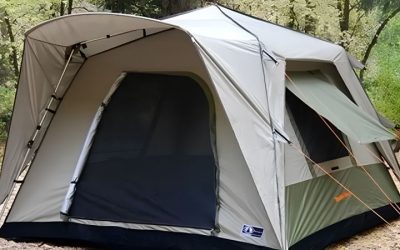
The Skydome 4 is the classic big-box value pick, with a Skydome architecture that gives nearly vertical walls and about 20% more headroom than traditional domes. A large 28-square-foot vestibule, flame-retardant fabric, and PFAS-free repellent add practical appeal.
The catch is fiberglass poles, which are heavier and less durable than aluminum, and modest weather margin in real storms. For casual campground weekends in fair weather, though, it is a lot of tent for the money.
Kelty Wireless 6
Families wanting a step up should look at the Kelty Wireless 6, widely praised for better mesh and build quality than most budget tents. Aluminum poles, roomy dimensions, and a friendly pitch make it a comfortable base for group trips.
It is still heavy and not built for serious storms, so treat it as a fair-weather family shelter. For campers who want more durability and space without a premium price, it is one of the smarter value buys.
Kelty Late Start 2
The Late Start 2 is a freestanding, beginner-friendly tent with aluminum poles, a color-coded fly, and pole pockets that make setup fast and foolproof. It is light enough for occasional short hikes and roomy enough for two plus gear.
The vestibule is on the small side and the feature set is basic, so power users may want more. For newcomers who value an easy, reliable pitch on a budget, however, it is a hassle-free choice.
Marmot Tungsten 2P
The Tungsten 2P is the durable crossover here, tough enough for camping yet light enough for backpacking at roughly 5 lb. Aluminum poles, a spacious floor, and an included footprint make it a versatile do-it-all tent for value shoppers.
It costs more than pure big-box budget tents and is heavier than dedicated ultralight models. For campers who want one durable tent that spans campground and trail, though, it justifies the modest price bump.
REI Co-op Trailmade 2
The Trailmade 2 brings Co-op value to the budget tier, around 199 dollars with a footprint included and aluminum poles. It is freestanding, easy to pitch, and roomy enough for two, offering honest quality for casual campers.
It is basic and a bit heavy, with limited foul-weather margin. But for weekend campgrounds and gentle forecasts, the bundled footprint and reliable build make it a standout among affordable options.
Naturehike CloudUp 2
The CloudUp 2 is the lightweight budget pick at about 3.4 lb, using 20-denier silicone-coated nylon with a PU4000 coating and aluminum poles. That makes it a rare cheap crossover suitable for short solo backpacking as well as campgrounds.
The interior is tight for two, it uses a single vestibule, and the thin fabric wants a footprint. For solo hikers or budget minimalists who value low weight, however, it punches well above its price.
Kelty Discovery Trail 2
The Discovery Trail 2 is one of the friendliest tents to set up, using nylon webbing pole pockets and color-coded corners that keep poles from slipping during pitching. At around 5 lb it is roomy, affordable, and forgiving for beginners.
It has a single door, weighs more than lighter tents, and benefits from an added footprint for the floor. For first-time campers who want a simple, spacious, inexpensive tent, though, it is an excellent starting point.
What Tariffs and Timing Mean for Budget Tent Buyers in 2026
Affordable shelters are the most price-sensitive category, so 2026’s market forces hit them hard. Trade policy and the shopping calendar both move the tag on budget camping tents. Here is how to shop smart before you buy.
Metal Tariffs and Pole Costs
Section 232 steel-and-aluminum tariffs near 50% remain in force and were untouched by this year’s rulings on other duties. Aluminum-pole tents feel that cost directly, which is one reason many cheap models still ship with fiberglass poles.
The practical result: aluminum-pole upgrades cost a bit more, and future pricing is uncertain. When a well-built budget tent is in stock at a fair price, buying it usually beats waiting for a dip tariffs may erase.
A Squeezed Value Tier and Deals
The value tier is squeezed hardest in 2026, since thin margins leave little room to absorb higher costs, and mid-tier makers pass them straight to shoppers. That makes patient, deal-aware buying more important than ever.
The bright spot: retailers are clearing pre-tariff inventory through late 2026, and big-box competition keeps entry-level prices sharp. Closeouts on last season’s budget tents are the surest way to save right now.
Seasonal Timing
Timing helps too. Late August into September brings full stock before peak demand, back-to-school pushes affordable gear early, and Amazon’s fall Prime event is expected in early October, so a wishlist now sets up early deals.
The deepest cuts still land on Black Friday and Cyber Monday in late November, when tents make popular gifts. For a must-have model, buy early in a sale to beat the stockouts that hit affordable favorites first.
Frequently Asked Questions
A few questions come up constantly when readers shop for budget camping tents, so here are quick, practical answers to guide your choice.
Are cheap tents waterproof enough?
Often, yes, if you check the specs. Look for a fly around 2,000 mm or higher, seam taping, and a full-coverage design. Site selection and taut guylines matter as much as the rating when a real storm arrives.
Can budget tents handle backpacking?
Some can. Crossover models like the Marmot Tungsten and Naturehike CloudUp stay light enough for short hikes, while big-box domes are too heavy for anything beyond the car. Match the weight to your actual trip length.
Should I upgrade the poles?
If a model offers an aluminum-pole version, it is usually worth the extra cost, since fiberglass poles are heavier and more likely to splinter. If you only camp in calm weather, fiberglass can still last with careful handling.
How many people really fit?
Plan for one fewer than the rating for comfort. A four-person budget tent fits four tightly with no gear space, so using it for two or three leaves room for packs, boots, and easy movement inside.
See More:
Final Thoughts
The best budget camping tents match your real habits, so let that guide your choice. Big-box campers get great value from the Coleman Skydome, families should eye the Kelty Wireless, and hikers who want crossover versatility will love the Marmot Tungsten or Naturehike CloudUp. Whatever you pick from this list, buy when stock and pricing align, since tariff pressure keeps affordable prices unpredictable.