
Key takeaways
What's inside
Tarp shelter guide skills unlock the lightest, most versatile shelter in camping: a well-pitched tarp sheds storms for a fraction of a tent’s weight. This guide walks how to choose and pitch one and names six top tarps for hammock and ground use.
As an Amazon Associate we earn from qualifying purchases.
By Jake Thompson
How to Use This Tarp Shelter Guide
The core of any tarp shelter guide is choosing the right shape, size and material, then pitching it for the weather. A tarp is the most versatile shelter you can carry, protecting a hammock or covering the ground, and matching the tarp and pitch to conditions is what keeps you dry and comfortable.
Choose a Tarp Shape
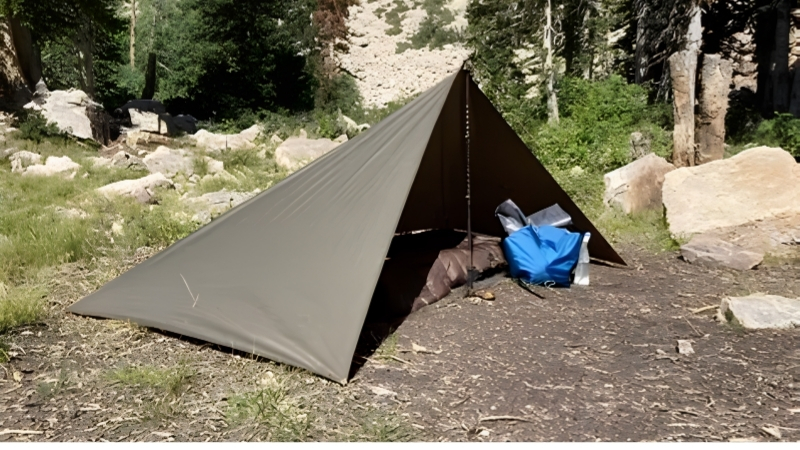
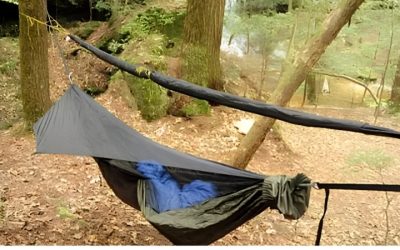
Shape sets coverage and versatility. Rectangular and A-frame tarps are the most versatile and cover the most area, hex tarps pair naturally with hammocks for good weather protection, and asym or diamond tarps are lightest and pitch easily on uneven sites but shield less. Doored tarps seal out storms.
Match shape to your use and weather. Hammock campers favor hex or doored tarps, ground campers and versatile users prefer rectangular or A-frame, and ounce-counters in fair weather choose diamond tarps. For serious storms and shoulder seasons, doored tarps add a large weather upgrade for a little weight.
Pick the Right Material
Material sets weight, cost and wet behavior. Dyneema is lightest, strongest and does not sag when wet, but costs the most. Silpoly is the modern sweet spot, light, low-stretch when wet and UV-stable. Silnylon is light and waterproof but stretches wet, needing re-tensioning. PU-coated fabric is cheapest but heaviest.
Match material to budget and priorities. Ultralighters splurge on Dyneema, most campers do well with silpoly’s balance, and budget buyers accept heavier PU fabric. Knowing that silnylon sags when wet, so you may re-tension overnight in heavy rain, helps set expectations for a night out under it.
Size the Tarp to Conditions
Size trades coverage for weight. For hammocks, an eight-by-six diamond is a three-season minimum, while a larger hex or rectangular tarp covers better in storms. For ground shelters, bigger tarps allow more configurations and headroom. Larger tarps protect more but weigh and cost more, so match size to weather.
Fair-weather campers can go smaller and lighter, while those facing storms or shoulder seasons want generous coverage that shields the whole hammock or a full ground shelter. Check that a hammock tarp is long enough for your hammock, since some standard tarps do not cover longer models fully.
Learn a Few Pitches
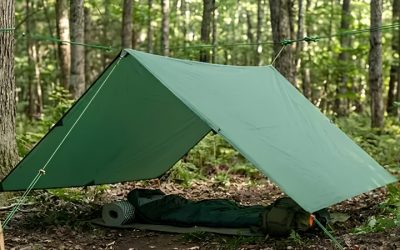
Knowing a handful of pitches handles any weather. An A-frame with a steep pitch sheds rain and, with sides lowered, blocks splash-back and wind. A lean-to with open sides maximizes airflow and shade in fair weather. A low, storm-mode pitch with the narrow end to the wind and extra guylines rides out gales.
Match the pitch to conditions on arrival. Steep and low for storms, open and high for heat, sides down for wind and splash. Learning to adapt the same tarp to the weather is the real skill this guide teaches, turning one piece of fabric into a shelter for nearly any condition.
Top Picks From This Tarp Shelter Guide
These six span versatile hammock tarps to ultralight ground tarps. This tarp shelter guide highlights each in the table, then breaks down who it suits and its honest drawbacks.
| Tarp | Type | Material | Best For | Price Tier |
|---|---|---|---|---|
| ENO ProFly Rain Tarp | Hammock | PU nylon | Versatile beginner | Mid |
| Warbonnet Superfly | Hammock (doored) | Silnylon | Storms and winter | Premium |
| Kammok Kuhli | Hammock / ground | Silicone/PU | Premium versatile | Premium |
| Hennessy Hex Rainfly | Hammock hex | Silnylon | Classic hex value | Mid |
| Aqua Quest Guide | Ground | PU nylon | All-purpose value | Mid |
| Zpacks Flat Tarp | Ground | Dyneema | Ultralight | Premium |
ENO ProFly Rain Tarp — Best Versatile Beginner
The ProFly is the jack-of-all-trades hammock tarp. Its no-knot six-point anchor with LineLoc tensioners and reflective cords pitches easily, its durable PU nylon holds up to abuse, and it even doubles as a cooking shelter. For beginners who want a forgiving, versatile hammock tarp, it is the go-to.
Its standard 126-inch length may not fully cover longer hammocks, where the ProFly XL fits better, and PU nylon is heavier than premium fabrics. For newcomers and weekend hammockers who want easy setup and solid, durable coverage at a fair price, though, it is an ideal first tarp.
Warbonnet Superfly — Best for Storms and Winter
The Superfly is the storm specialist. This doored hammock tarp offers exceptional flexibility and full coverage, with closable doors that seal out driving rain, wind and snow for shoulder-season and winter hangs. For hammock campers who face real weather, it is the most protective choice here.
Its doors add weight and cost over a simple tarp, and full coverage means less airflow in heat. For hammockers who camp in storms, wind or cold, though, the doored design is a large weather upgrade that keeps you dry when an open tarp would not, making it worth the extra ounces.
Kammok Kuhli — Best Premium Versatile
The Kuhli is the do-everything premium tarp. With 108 square feet of coverage, more than six setup configurations and a tough silicone-and-PU-coated fabric that resists wind, rain and snow, it works over a hammock or as a ground shelter, backed by a lifetime warranty. For versatility, it leads.
At around 22 ounces it is heavier than ultralight tarps, and it is premium-priced. For campers who want one durable, highly configurable tarp that handles many shelter styles and conditions, backed by a lifetime warranty, though, its versatility and build quality make it a standout investment.
Hennessy Hex Rainfly — Best Classic Hex Value
The Hennessy Hex Rainfly is the proven hammock hex. Its 30-denier silnylon asymmetric hexagonal shape is wide enough for two and excels at stopping wind and rain, with corner pouches to stow lines, and it doubles as a ground shelter. For hammockers who want dependable hex coverage at a fair price, it delivers.
Its six fixed attachment points and hex shape limit setup versatility, and silnylon stretches when wet, needing re-tensioning. For hammock campers who want strong, straightforward weather protection that pairs naturally with a hammock, though, it is a great-value classic, also offered in tougher polyester.
Aqua Quest Guide — Best All-Purpose Value
The Aqua Quest Guide is the versatile ground-tarp value pick. Fully waterproof, lightweight and packable, it pitches easily thanks to 17 reinforced webbing loops that allow many configurations, making it a forgiving, durable all-purpose tarp. For ground shelters and beginners learning to pitch, it is ideal.
It is heavier than ultralight tarps and less specialized than hammock-specific designs. For campers who want a rugged, waterproof, highly riggable tarp for ground shelters, sun shades or general camp use at a fair price, though, its many tie-outs and durable build make it a dependable, flexible choice.
Zpacks Flat Tarp — Best Ultralight
The Zpacks Flat Tarp is the ultralight ground pick. Made from waterproof Dyneema, it offers full-size coverage that does not sag when wet at a fraction of the weight of other tarps, with plenty of tie-outs for highly configurable pitches. For weight-obsessed hikers who want a minimalist shelter, it is superb.
It is very expensive and its thin fabric rewards careful handling and needs separate cordage. For ultralighters who want the lowest-weight, no-sag tarp shelter and will handle Dyneema with care, though, it is best-in-class, delivering full coverage at a weight no nylon or polyester tarp can match.
What Tarps Cost in 2026
Tarps span budget to premium, so timing helps. A couple of current market forces affect what these cost and when to buy, without changing which tarp fits your use.
Tariffs Pressure Materials
Tarps use imported fabrics and hardware under tariffs that remain in place, and premium Dyneema in particular is costly. Brands have described future pricing as a moving target, so committing to a tarp you want, rather than waiting indefinitely, is a reasonable call this year.
The effect is uneven. Premium Dyneema and cottage tarps have largely held pricing, while mainstream PU and silnylon tarps see more discounting. Value-focused buyers should watch the ProFly, Aqua Quest and mainstream tarps for closeouts, and treat Dyneema tarps as fixed investments.
Buy Ahead of Season
Tarps sell hardest heading into camping season, so buying ahead secures the model and lets you practice pitches at home. Fall sale events like Prime Big Deal Days in early October and Black Friday in late November bring the deepest discounts on mainstream tarps.
Cottage Dyneema tarps rarely discount deeply and can have lead times, so for those, availability matters more than a markdown. Practicing a few pitches before a trip is worth more than any saving, since setting up a tarp in wind and rain is far harder than in the backyard.
Match the Tarp to Your Use
The best value is buying the tarp that fits how you camp: a versatile hammock tarp, a storm-worthy doored model, or an ultralight ground sheet. Overbuying Dyneema for casual use, or underbuying coverage for storms, wastes money, so match shape, size and material to your shelter style and weather.
If a specific tarp is prone to selling out, buy early rather than gambling on stock. Missing the right tarp before a trip means poor weather protection, so decide your use, learn a few pitches, and pick the tarp that keeps you dry in the conditions you actually camp in.
Frequently Asked Questions
These are the questions campers ask most about tarps.
What does a tarp shelter guide recommend for beginners?
A versatile, forgiving tarp like the ENO ProFly for hammocks or the Aqua Quest Guide for the ground. A good tarp shelter guide points beginners to durable, easy-to-pitch tarps with many tie-outs, so they learn configurations without fighting fussy ultralight fabric or limited attachment points.
What tarp material is best?
It depends on budget. Dyneema is lightest and does not sag when wet but costs the most, silpoly is the balanced sweet spot, silnylon is light but stretches wet, and PU fabric is cheapest and heaviest. Most campers do well with silpoly; ultralighters splurge on Dyneema, budget buyers accept PU.
How big should my tarp be?
Enough to cover your shelter and gear for your weather. For hammocks, an eight-by-six diamond is a three-season minimum, with larger hex or doored tarps for storms. Check that a hammock tarp is long enough for your hammock, and size up for shoulder seasons and heavy rain.
How do I pitch a tarp in a storm?
Pitch it low and steep with the narrow end into the wind, lower the sides to block splash and wind, and add extra guylines to natural windbreaks. This storm configuration sheds wind and rain far better than a high, open pitch. Learn this and an A-frame and lean-to to handle any weather.
See More:
- Best hiking backpack
- Best backpacking backpack
- Ultralight hiking backpack
- Best hydration backpack
- Best hiking backpack for women
Final Thoughts
A tarp shelter guide comes down to choosing the right shape and material, then pitching for the weather. The ENO ProFly is the versatile beginner pick, the Warbonnet Superfly seals out storms, and the Zpacks Flat Tarp leads ultralight. Match the tarp to your shelter style, learn a few pitches, and one piece of fabric becomes a shelter for nearly any condition.


Write Your Review
No reviews yet. Be the first to share your experience!