
Key takeaways
What's inside
Best expedition tent shopping is life-and-death serious: at high altitude, your shelter must survive brutal wind, heavy snow and days of storm. This guide compares six top mountaineering tents by storm strength, space, weight and durability.
As an Amazon Associate we earn from qualifying purchases.
As an Amazon Associate we earn from qualifying purchases.


By Jake Thompson
How to Choose the Best Expedition Tent
Choosing the best expedition tent means prioritizing storm strength and durability above all, then balancing interior space and weight for your objective. These are the burliest four-season shelters, built for high-altitude basecamps and summit pushes, so construction quality is not negotiable.
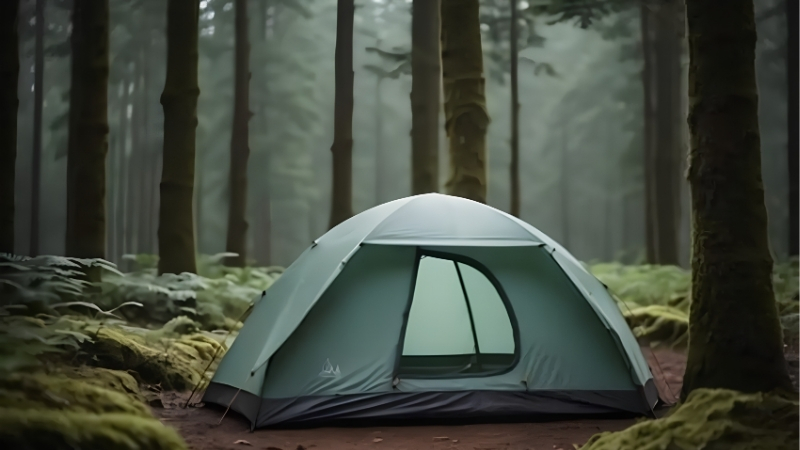
Prioritize Storm Strength Above All
An expedition tent’s first job is surviving extreme wind and snow load. Look for a four-pole-plus-vestibule dome, the strongest geometry that maximizes pole crossings, and toughest fabrics like Hilleberg’s silicone-coated Kerlon or heavy ripstop. This structure is what keeps you alive in a high-altitude storm.
Do not compromise on strength for a serious objective. Tents on expeditions to peaks like Everest, Denali and Vinson use this proven four-pole design because it withstands the worst the mountains deliver. Match the tent’s storm rating to your altitude and exposure, and never underbuild.
Decide: Basecamp or Summit Tent
Expedition tents split by role. Basecamp tents are larger, heavier and better ventilated for extended stays, with room to sit out storms for days. Mountaineering and summit tents are trimmed down and lighter for fast-and-light ascents, prioritizing efficiency and weather protection over living space.
Match the tent to your objective. If you will spend days at a high basecamp, prioritize a roomier, ventilated tent, while a summit push rewards the lightest storm-worthy shelter you can carry. Many expeditions use both, so decide which role each tent plays before you buy.
Weigh Space Against Weight
Storm resistance limits interior space, so expedition tents trade livability for strength and weight. Basecamp tents add headroom, dual vestibules and pockets, while summit tents stay cramped to save every ounce for the climb. Interior comfort varies widely across the category.
Decide your balance based on time inside. Extended basecamps reward a roomier, heavier tent where you can wait out weather comfortably, while alpine ascents demand the lightest option that still survives storms. For long expeditions, livability and ventilation matter as much as raw strength.
Consider Wall Design and Investment
Double-wall expedition tents manage condensation with a breathable inner and separate fly, adding comfort and space at a weight cost, while single-wall summit tents shed weight but trap moisture. Expedition tents are a major investment, so durability and long service life justify the high price.
Match wall design to your objective and budget. Double-wall tents suit basecamps and extended trips, while single-wall tents suit weight-obsessed summit pushes. Premium brands cost four figures but last decades, so for serious mountaineers, the durability is worth it over cheaper, shorter-lived tents.
Top Picks: The Best Expedition Tent for 2026
These six span roomy basecamp shelters to lightweight summit tents, all storm-worthy. The best expedition tent depends on your objective and altitude, so scan the table, then read each pick for who it suits and its honest drawbacks.
| Model | Role | Wall | Best For | Price Tier |
|---|---|---|---|---|
| Mountain Hardwear Trango 3 | Basecamp | Double | Roomy basecamp value | Premium |
| The North Face Mountain 25 | Expedition | Double | Value expedition-grade | Premium |
| Hilleberg Jannu | Mountaineering | Double | Premium all-around | Premium |
| Hilleberg Nammatj 2 GT | Basecamp tunnel | Double | Space-to-weight | Premium |
| MSR Remote 2 | Mountaineering | Double | All-around value | Premium |
| Black Diamond FirstLight | Summit | Single | Fast-and-light | Mid |
Mountain Hardwear Trango 3 — Best Roomy Basecamp Value
The Trango 3 is the basecamp workhorse. Building on one of the most expedition-worthy designs ever, its sturdy five-pole structure resists hard blows, while a spacious interior larger than most two-person shelters and over ten wall and ceiling pockets make long storm-bound days livable. For basecamp value with serious lineage, it leads.
It is expensive and heavy, and the five-pole setup takes effort in wind. For expedition teams who want maximum interior volume, storage and bombproof strength at a strong value for the pedigree, though, it is hard to beat, and the two-person Trango is the tighter, lighter sibling.
The North Face Mountain 25 — Best Value Expedition-Grade
The Mountain 25 is the pedigreed value pick. Used on summit attempts of the world’s highest peaks for decades, its four-pole-plus-vestibule design delivers some of the greatest strength and weather resistance in its class, proven on expeditions to Everest, Denali and Vinson. For storm-worthy value, it is a benchmark.
At around ten pounds it is heavy, its design is long-established rather than cutting-edge, and it runs tight for two with gear. For mountaineers who want legendary, expedition-grade storm protection without a top-tier price, though, it remains one of the best values in the category.
Hilleberg Jannu — Best Premium All-Around
The Jannu is the premium expedition benchmark. This double-wall tent uses Hilleberg’s silicone-coated Kerlon fabric for outstanding tear strength and decades-long durability, earning top marks for storm resistance, versatility and construction quality across the most demanding mountaineering.
It is extremely expensive and heavier than summit tents, a serious investment. For dedicated mountaineers who want the best-built, most storm-worthy double-wall expedition tent that lasts for decades, though, it is worth every dollar, setting the standard others in the category chase.
Hilleberg Nammatj 2 GT — Best Space-to-Weight
The Nammatj 2 GT is the efficient tunnel pick. Its two-pole tunnel design is one of the most space-to-weight-efficient storm-worthy shapes, carrying nicer than a five-pole dome, and its huge vestibule offsets the trimmer sleeping quarters, becoming spacious when dug into snow. For strength per pound, it excels.
As a tunnel it is not freestanding and must be staked and oriented into the wind, its interior is trimmed to save weight, and it is very expensive. For mountaineers who want Hilleberg’s bombproof Kerlon strength with better space-to-weight and a big gear vestibule, though, it is superb.
MSR Remote 2 — Best All-Around Value
The Remote 2 is the mountaineering value pick. It offers genuine mountaineering geometry, an excellent ventilation design and real livability at a price that stops short of top expedition tier, making it a great balance of storm protection, comfort and value for two-person alpine objectives.
At around seven pounds it is heavy, its polyester fly does not match Hilleberg’s tougher Kerlon fabric, and it has minimal interior storage. For climbers who want serious storm protection with strong livability without paying the highest prices, though, it is the value sweet spot of the group.
Black Diamond FirstLight — Best Fast-and-Light
The FirstLight is the summit-push pick. This single-wall tent strips weight to the minimum for fast-and-light ascents and summit bids, pitching quickly in tight alpine spots where a bigger tent will not fit. For climbers counting every ounce on technical objectives, it is a proven, packable choice.
Its single-wall design collects condensation and frost, its interior is cramped, and it is not meant for extended basecamp comfort. For weight-obsessed alpinists who need a light, storm-resistant shelter for summit pushes and technical terrain, though, its minimalism is exactly the point.
What Expedition Tent Prices Look Like in 2026
Expedition tents are premium gear, often four figures, so pricing deserves a look. A couple of current market forces affect what these tents cost and when to buy, without changing which model fits your objective.
Premium Materials Hold Pricing
Expedition tents use imported cutting-edge fabrics and aluminum poles under tariffs that remain in place, and premium makers like Hilleberg and Mountain Hardwear have held pricing rather than discounting. Brands have called future pricing a moving target, so buying a tent you need beats waiting.
These tents rarely see steep markdowns, so waiting for a big sale seldom pays off. If a specific expedition tent fits your objective, buying it, especially premium models with limited stock, is smarter than chasing a discount that may not come before your climbing season.
Buy Well Ahead of Your Expedition
Expedition tents are specialized and can have limited availability, so order well ahead of a trip to secure the model you want with time to test it. Fall sale events like Prime Big Deal Days in early October and Black Friday in late November offer the modest discounts these tents ever see.
Practicing your pitch, ideally with gloves in cold and wind, before an expedition is as valuable as any saving, since setup in a high-altitude storm is far harder than at home. Lock in your tent early and rehearse with it, so nothing about the shelter is unfamiliar on the mountain.
Never Underbuild for the Objective
An expedition tent is life-safety gear, so buy the strength your objective demands rather than the cheapest option. A summit tent taken to a stormy basecamp, or an underbuilt tent at high altitude, is a genuine danger. Match the tent to your worst expected conditions without compromise.
If a specific model is prone to selling out before your season, buy early rather than gambling on stock. Missing the right expedition tent before a climb costs far more than a small saving, and a proven, storm-worthy shelter is one of the most important investments in mountaineering safety.
Frequently Asked Questions
These are the questions climbers ask most about expedition tents.
What makes the best expedition tent?
Storm strength and durability first. The best expedition tent uses a four-pole-plus-vestibule dome or bombproof tunnel design and the toughest fabrics to survive extreme wind and snow at high altitude. Interior space and weight are secondary to the construction quality that keeps you alive in a storm.
Basecamp or mountaineering tent for an expedition?
It depends on the role. Basecamp tents like the Trango 3 are roomier and better ventilated for extended stays, while lighter mountaineering and summit tents like the FirstLight prioritize weight for ascents. Many expeditions carry both, matching each tent to basecamp or summit duty.
Are four-figure expedition tents worth it?
For serious mountaineering, often yes. Premium tents from Hilleberg and others use cutting-edge fabrics and last decades, and their proven storm resistance is genuine safety at high altitude. For occasional or lower-altitude use, a value pick like the Mountain 25 or Remote 2 delivers most of the strength for less.
Single-wall or double-wall expedition tent?
Double-wall tents manage condensation and add space for basecamps and extended trips, while single-wall tents like the FirstLight save weight for fast summit pushes but trap moisture. Choose double-wall for livability and long stays, single-wall for the lightest storm-resistant summit shelter.
See More:
- Best hiking backpack
- Best backpacking backpack
- Ultralight hiking backpack
- Best hydration backpack
- Best hiking backpack for women
Final Thoughts
The best expedition tent puts storm strength and durability first, then balances space and weight for your objective. The Mountain Hardwear Trango 3 leads roomy basecamps, the Mountain 25 delivers proven value, and the Hilleberg Jannu sets the premium standard. Match the tent to your altitude and role, buy early, rehearse the pitch, and your shelter will hold when the mountain turns violent.
Write Your Review
No reviews yet. Be the first to share your experience!