
Key takeaways
What's inside
Gregory backpack review shoppers have real range to consider, since the brand spans plush heavy haulers to ventilated lightweight packs and durable daypacks. This guide compares six top Gregory models by capacity, suspension, weight and comfort so you can pick the right one.
As an Amazon Associate we earn from qualifying purchases.
By Jake Thompson
How to Read This Gregory Backpack Review
The point of any Gregory backpack review is matching a model to your trips, since the lineup runs from 18L daypacks to 75L expedition haulers. Focus on capacity, suspension, weight and comfort, and Gregory’s reputation for carrying comfort makes most of them strong long-term buys.
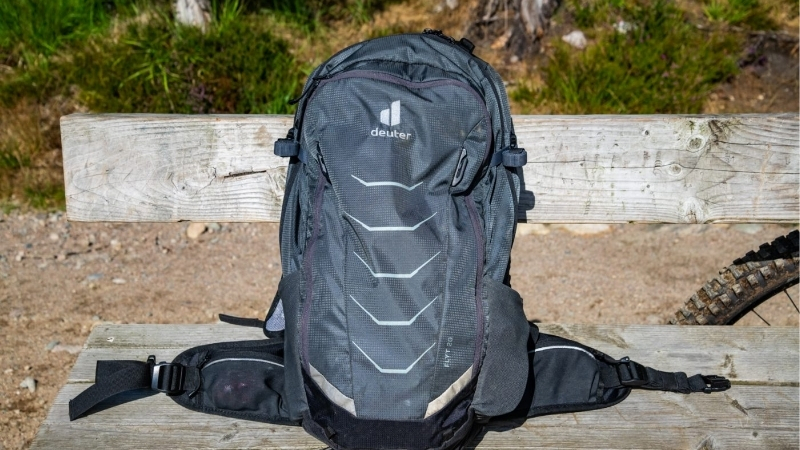
Match Capacity to Trip Length
Gregory sizes its packs by liters. Day hikes suit the 18L Nano and 30L Zulu, weekends and multi-day trips fit the 55-65L Paragon, Zulu and Focal, and heavy or long trips want the 65-75L Baltoro. Match capacity to your longest common trip so the pack rides well when not full.
Most hikers are well served by one Gregory daypack and one multi-day pack. If you are unsure, the versatile Paragon 60 and Zulu 65 cover weekend and multi-day trips comfortably, while the Nano 18 handles day hikes for the majority of outings.
Understand Gregory’s Suspensions
Gregory uses several suspensions, each suited to different priorities. FreeFloat systems, from the plush A3 Pro on the Baltoro to the ventilated suspended-mesh on the Zulu and Paragon, flex with your body for a stable, sway-free carry. Each pack lists a load rating that suits its frame.
Match the suspension to your loads and climate. Heavy carriers benefit from the plush FreeFloat A3 of the Baltoro, while hot-weather hikers prefer the ventilated suspended mesh of the Zulu. Gregory’s dynamic hipbelts flex independent of the frame, which stands out on rough terrain.
Weigh Weight Against Comfort
Gregory packs range from plush haulers over five pounds to lightweight models near two and a half. The Baltoro prioritizes comfort at a weight penalty, while the Focal sheds ounces for weight-conscious hikers. Lighter Gregory packs trade some padding and durability to save weight.
Decide whether you prioritize plush comfort or low weight. Heavy carriers get real value from the Baltoro’s cushioning, while ultralight-adjacent hikers do better with the Focal or Paragon. Match the model’s weight class to how you actually hike and how much you carry.
Factor In Comfort and Value
Comfort is Gregory’s calling card, with cushioned, body-hugging suspensions across the range, and many packs offer strong value for their features. Most have women’s-specific versions and recycled, PFAS-free fabrics, reflecting Gregory’s focus on comfort, sustainability and durability.
Match the feature set to your needs and budget. The Paragon offers near-flagship comfort at a mid price, while the Baltoro justifies its premium for heavy carriers. Let your loads and budget guide the choice, since Gregory delivers comfort-focused value across the lineup.
Top Picks From This Gregory Backpack Review
These six span a durable daypack to a plush heavy hauler, covering the core of Gregory’s hiking lineup. This Gregory backpack review lays out the specs in the table, then breaks down who each model suits and its honest drawbacks.
| Model | Capacity | Weight | Best For | Price Tier |
|---|---|---|---|---|
| Gregory Baltoro 65 | 65L | ~5 lb | Heavy loads | Premium |
| Gregory Paragon 60 | 60L | ~3 lb 8 oz | All-around value | Mid |
| Gregory Zulu 65 | 65L | ~3 lb 11 oz | Ventilated multi-day | Mid |
| Gregory Focal 58 | 58L | ~2 lb 9 oz | Lightweight | Mid |
| Gregory Zulu 30 | 30L | ~3 lb | Big day hikes | Mid |
| Gregory Nano 18 | 18L | ~1 lb 5 oz | Durable daypack | Budget |
Gregory Baltoro 65 — Best for Heavy Loads
The Baltoro 65 is Gregory’s flagship hauler. Its FreeFloat A3 Pro suspension and rotating hipbelt track your body over rough ground, and it comfortably carries loads up to about 50 pounds. Nine organized pockets and tough recycled nylon make it a favorite for gear-heavy trips and beginners.
That comfort is heavy: it pushes five to six pounds in larger sizes and sits at a premium price, making it overkill for light kits. If you consistently carry big loads and value carry comfort over grams, though, few packs match it. The women’s version is the Deva.
Gregory Paragon 60 — Best All-Around Value
The Paragon 60 is Gregory’s do-everything value pick. At about three and a half pounds it pairs a FreeFloat dynamic hipbelt and suspended-mesh backpanel with a 50-pound load rating, seven pockets, a full-length side zipper and bear-canister carry. Its support-to-weight ratio is among the best available.
Its hipbelt padding is a touch thin, it lacks a rain cover, and its light fabric is not the most durable. For a comfortable, well-balanced pack that carries heavy loads well without the Baltoro’s weight, though, it is an easy recommendation and a frequent editor’s pick. The women’s version is the Maven 58.
Gregory Zulu 65 — Best Ventilated Multi-Day
The Zulu 65 is Gregory’s ventilated all-rounder. Its FreeFloat suspended-mesh backpanel keeps you cool, top, front and bottom access make gear easy to reach, and it strikes a middle ground between streamlined light packs and heavy haulers. For summer multi-day trips, its airflow stands out.
Reviewers find its ventilation and weatherworthiness merely decent rather than class-leading, and at around three and three-quarter pounds it is heavier than ultralight rivals. For most backpackers who want a comfortable, airy, well-organized pack, though, it checks the boxes. The women’s version is the Jade 63.
Gregory Focal 58 — Best Lightweight
The Focal 58 is Gregory’s ultralight-adjacent pack and a superb ventilated lightweight option. At around two and a half pounds it pairs a FreeFloat suspended-mesh backpanel with a pre-curved hipbelt, large hipbelt pockets and a wire internal frame, carrying a light multi-day kit in cool comfort.
Its wire frame maxes out around 30-35 pounds, and its thin 100D and 210D nylon is less durable than burly packs, with minimal padding. For weight-conscious hikers who want ventilation and organization at a light weight, though, it is a strong pick. The women’s version is the Facet 55.
Gregory Zulu 30 — Best for Big Day Hikes
The Zulu 30 brings backpacking-grade ventilation to a big daypack. Its trampoline FreeFloat mesh backpanel keeps you cool, and the comfortable hipbelt and shoulder straps haul a big day load or a minimalist overnight kit well. For hikers who want airflow and load support on long days, it delivers.
It lacks an included rain cover, has limited shoulder strap adjustability, and its top lid can flop open if left unzipped, and at around three pounds it is not the lightest. For ventilated comfort on big day hikes, though, it is a capable pick. The women’s version is the Jade 28.
Gregory Nano 18 — Best Durable Daypack
The Nano 18 punches above its price on toughness. It uses a robust 210D nylon body with a 420D bottom, so it resists abrasion better than most lightweight packs, while staying light and simple with a hydration sleeve and stretch pockets. It is a great grab-and-go daypack for short hikes.
As a minimalist 18L pack it has little padding, no frame and modest capacity, so it is not for heavy or long day loads. It suits fast, light outings and travel. Within that lane, its durability-to-price ratio stands out among Gregory’s daypacks.
What Gregory Pack Prices Look Like in 2026
Gregory packs span budget to premium, so timing helps. A couple of current market forces affect what these packs cost and when to buy, without changing which model fits your trips.
Tariffs Still Pressure Materials
Gregory packs are built overseas from imported nylon, and steel and aluminum tariffs remain in place on frame metal. Brands have described future pricing as a moving target, so committing to a model you already like, rather than waiting indefinitely, is a reasonable call this year.
The effect is uneven. Premium models like the Baltoro have largely held pricing, while mid-tier packs see more discounting as retailers clear pre-tariff inventory. Value-focused buyers should watch the Paragon, Zulu and Nano for closeouts.
Seasonal Timing Works in Your Favor
Stock is deepest in late summer and early fall, before popular sizes and colors thin out. Buying early lets you break in a pack before a trip and get fitted properly, which matters more than a small discount for a comfort-focused brand like Gregory.
The fall calendar rewards patience: Prime Big Deal Days land in early October, and Black Friday and Cyber Monday run in late November with the deepest discounts. Confirm your model and fit first, then track prices so you can buy at the right time.
Match Spend to Your Loads
Spend where it counts for your trips. Heavy carriers get real value from the Baltoro’s plush suspension, while moderate weekend loads are well served by the Paragon or Zulu at a lower price. Match the model’s price to how you actually hike rather than overbuying.
If a specific model or size is prone to selling out, buy early in a sale window rather than gambling on peak stock. Missing the right size costs more than a small discount, especially in less common torso lengths that vanish first each fall.
Frequently Asked Questions
These are the questions hikers ask most when comparing Gregory packs.
Which Gregory backpack review pick is best for beginners?
For most beginners, the Gregory Paragon 60 offers the best mix of comfort, capacity and value. This Gregory backpack review rates it as the all-around pick, carrying heavy loads comfortably at a mid price, while the Nano 18 covers day hikes affordably for new hikers.
What makes Gregory packs stand out?
Comfortable, body-hugging FreeFloat suspensions, dynamic hipbelts that flex with you, and strong carrying comfort even in lighter models. Gregory also uses recycled, PFAS-free fabrics and offers women’s-specific versions of most packs, widening the range of comfortable fits.
Is the Baltoro worth the extra weight?
For heavy carriers, yes. The Baltoro’s plush FreeFloat A3 suspension carries 50-pound loads exceptionally well, which justifies its weight and price for gear-heavy trips. For lighter loads, though, the Paragon or Focal deliver much of Gregory’s comfort at a lower weight and price.
Does Gregory make women’s-specific packs?
Yes. Most core packs have women’s versions with shorter torsos and re-shaped straps and hipbelts, such as the Deva, Maven, Jade and Facet. Fit is individual, so let a loaded try-on decide, but the women’s line fits many hikers better than the men’s versions.
See More:
- Best hiking backpack
- Best backpacking backpack
- Ultralight hiking backpack
- Best hydration backpack
- Best hiking backpack for women
Final Thoughts
This Gregory backpack review comes down to matching a model to your loads and trips. The Baltoro 65 hauls heavy loads in plush comfort, the Paragon 60 is the all-around value pick, and the Nano 18 covers day hikes. Size to your trips, match the suspension to your climate, then time a fall sale, and any pick here will serve you for years.
Write Your Review
No reviews yet. Be the first to share your experience!