
Key takeaways
What's inside
Best hammock choices split three ways: something to lounge in at camp, something light enough to backpack with, or a complete sleeping system with a bug net and fly. These five range from 11.7 ounces to a 2 lb 12 oz shelter kit, and the right one depends entirely on the job you need it to do. Straps are rarely included.
As an Amazon Associate we earn from qualifying purchases at no extra cost to you. Product prices and availability are accurate as of the date shown and are subject to change.
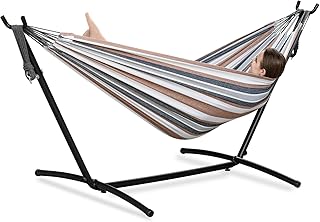


As an Amazon Associate we earn from qualifying purchases at no extra cost to you. Product prices and availability are accurate as of the date shown and are subject to change.
By Jake Thompson, gear writer for Roger Bacon Outdoors.
🛒 Best Price Today on Amazon
Prime members get fast, free shipping on everything above, plus member-only deals. New members get a 30-day free trial — cancel anytime.
Choosing the Best Hammock for the Job You Have
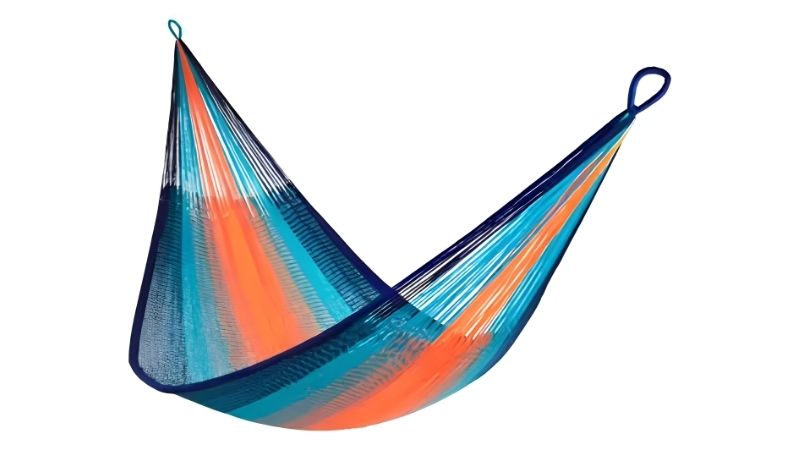
Almost every disappointing purchase in this category comes from buying the wrong type rather than the wrong brand, because the best hammock for one job is useless at another. A lounging model will not keep insects off you overnight. Three questions sort it out before you compare any specifications.
Lounging, Camping or Sleeping?
Lounging hammocks are simple end-gathered nylon bodies weighing under 20 ounces, with no netting and no rain protection. They set up in under a minute and are what most people actually want. Anything you plan to sleep in outdoors needs bug netting, and anything you sleep in overnight needs a fly.
Complete systems such as the Hennessy Expedition Asym Zip integrate the hammock, mosquito netting, rainfly and support ropes into one package weighing 2 lb 12 oz. That is lighter than most backpacking tents, but it is a different purchase from a 19-ounce hammock body you hang between two trees for a nap.
Weight Only Matters If You Carry It
Packed weight separates the categories more clearly than price does, so the best hammock on paper is often the wrong one in a pack. The Grand Trunk TrunkTech Single sits at 11.7 ounces, the ENO DoubleNest at 19, and the Hennessy kit at 2 lb 12 oz before its 3-ounce webbing straps.
For backpacking it matters a great deal, because the hammock is only part of the load. Add a tarp, straps, an underquilt for cold nights and the system weight climbs quickly. Buyers routinely report full hammock setups reaching five pounds once every accessory is accounted for.
Capacity, Height Limits and Who Fits
Simple hammocks quote generous load ratings: 400 pounds for the ENO DoubleNest and 500 for the Kammok Roo Double, Grand Trunk TrunkTech and Wise Owl DoubleOwl. Shelter systems are stricter because the netting and ridgeline are structural, so Hennessy rates the Expedition at 250 pounds and 6 feet tall.
Height limits deserve as much attention as weight limits. An 11-foot body such as the TrunkTech gives more diagonal room and a flatter lie for taller users, while the 9 feet 6 inches of the DoubleNest works better for shorter sleepers. Check both numbers before assuming a hammock fits you.
Best Hammock Picks by Category
Five hammocks sorted by the job they do rather than ranked against each other. The best hammock for backyard lounging shares almost nothing with a backcountry shelter system, so read across the table first and then read only the entry that matches how you will use it.
| Model | Category | Weight | Capacity | Included |
|---|---|---|---|---|
| ENO DoubleNest | Lounging / camp | 19 oz | 400 lb | Carabiners only |
| Kammok Roo Double | Lounging / camp, premium | Packs into itself | 500 lb | Carabiners only |
| Grand Trunk TrunkTech Single | Backpacking | 11.7 oz | 500 lb | Hammock body |
| Hennessy Expedition Asym Zip | Full shelter system | 2 lb 12 oz | 250 lb, 6 ft | Net, fly, ropes, tree straps |
| Wise Owl DoubleOwl | Budget complete kit | Kit weight | 500 lb | Straps and carabiners |
ENO DoubleNest – The All-Purpose Default
Nineteen ounces, 400 pounds of capacity, 9 feet 6 inches by 6 feet 4 inches of FreeWave 70D nylon taffeta with triple interlocking stitching and anodized 7075 aluminium carabiners. It compresses into its attached stuff sack at roughly 6 x 4 x 5 inches and wants about 9 feet 2 inches between anchors.
This is the hammock most people should buy for camp and backyard use. The taffeta is crinkle-treated but still stiffer and cooler against skin than ripstop alternatives, the 400-pound rating is the lowest of the simple hammocks here, and suspension straps are a separate purchase.
Kammok Roo Double – Best Fabric Feel
Gravitas 40D diamond ripstop with DWR waterproofing, rated to 500 pounds, measuring 120 by 68.5 inches unpacked and packing into itself. Kammok specifies one person sleeping and one to two lounging, adds internal gear loops for a phone or headlamp, and backs the hammock with a lifetime warranty.
Buy it for the fabric. It is noticeably softer than 70D taffeta and handles damp conditions better thanks to the DWR treatment. The costs are a higher price, suspension again sold separately, and a lighter fabric that stretches more on first use than heavier nylons do.
Grand Trunk TrunkTech Single – Lightest for Backpacking
Eleven point seven ounces, 11 feet long and rated to 500 pounds, in a proprietary 40D ripstop that is soft, breathable and quick-drying. That length and capacity at under 12 ounces is not matched by ENO or Kammok at the same price, which makes it the obvious ultralight choice.
The 11-foot body gives genuine diagonal room, though single width limits how far you can angle yourself if you are tall. Grand Trunk’s ecosystem of matching tarps, underquilts and suspension is narrower than Kammok’s, so building a full sleep system means mixing brands.
Hennessy Expedition Asym Zip – Complete Shelter in One Bag
Packed weight is 2 lb 12 oz excluding the free 3-ounce Tree Hugger straps, and everything is included: attached no-see-um netting, detachable 70D polyurethane-coated polyester ripstop fly, support ropes and stuff sack. The body is 210 Oxford nylon with an asymmetric cut and structural ridgeline.
Independent testers measured 1 lb 11.5 oz for the hammock alone and 2 lb 11.9 oz with suspension and tarp, and rate it strong value for a first hammock camping setup. Weaknesses are real: a small tarp that struggles in heavy storms, knot-based suspension, short included straps and a 250-pound limit.
Wise Owl DoubleOwl – Best Complete Kit on a Budget
Ten by 6.5 feet, the largest footprint here, rated to 500 pounds and supplied with tree straps and carabiners in the box. For a family needing three or four hammocks at one campsite, several DoubleOwls cost less than a single premium hammock once its separate straps are added.
The fabric is 210T parachute nylon, functional but noticeably stiffer and cooler against skin than ENO taffeta or Kammok Gravitas. Treat it as a camp and backyard hammock rather than a backpacking one, and expect the included straps to wear out well before the hammock body does.
Nylon Tariffs and the Autumn Gift Window
Anyone shopping for the best hammock this year is buying into a category made almost entirely from nylon and aluminium, both of which are directly affected by current tariffs. Layered on that is the seasonal shift from peak summer use into the autumn and Christmas gift period.
Nylon Costs Have Moved Sharply
Outdoor Industry Association survey work indicates 84% of member businesses expect to be affected by new tariffs, with costs rising roughly 7.7% overall. High-tenacity nylon specifically is reported up 10 to 15%, and that is the primary material in every hammock body on this list.
Aluminium duties reach the carabiners and hardware too. Brands have been unusually direct that published prices are estimates while supply chains settle, which means today’s figure is a better planning number than any assumption that a discount will appear later in the year.
Gift Season Thins the Colour Range
Hammocks are a common present for anyone who camps, so demand shifts from personal purchases in summer to gift buying from late autumn. Popular colourways in the double sizes tend to sell through first, leaving whichever combinations nobody wanted by the time December arrives.
A workable approach is to shortlist now and watch prices into the October deal events, buying when your model drops. Waiting without a shortlist is how people end up paying full price in late November for the last remaining colour rather than the hammock they actually researched.
Buy the Body First, Then the System
With inflation near 4.2% and an estimated tariff burden of about $1,600 per US household in 2026, spreading the cost across seasons is sensible. Buy the hammock and quality straps first, then add a tarp, bug net and underquilt over following years as budget and actual use justify them.
Warranty coverage is worth more while replacement costs climb. Kammok’s lifetime warranty is among the strongest in the category, and that deserves weighing against a lower sticker price on a hammock carrying only limited defect coverage or none at all beyond the first year.
Frequently Asked Questions
These four questions cover what readers ask most when moving from casual hammock use to camping in one. All answers assume recreational use between two healthy trees at a legal campsite, hung with wide tree-friendly webbing rather than rope or cord that bites into bark.
Is the best hammock warmer or colder than a tent?
Colder, unless you insulate underneath. Air moving beneath the hammock strips heat from your back and compressed sleeping bag fill provides almost no insulation there. An underquilt or a wide sleeping pad is essential below roughly 60°F, and it is the most common first-timer mistake.
Do I need a bug net and a tarp?
For overnight camping, yes. Simple hammocks such as the DoubleNest and Roo Double have neither, so you either buy add-ons or choose an integrated system like the Hennessy Expedition. For daytime lounging in a garden or at camp, neither is necessary at all.
How much sag should the hammock have?
More than most beginners expect. Aim for suspension straps at roughly a 30-degree angle from horizontal, which produces a deep curve and lets you lie diagonally across the fabric. Hanging it tight and flat creates shoulder squeeze and is the second most common comfort complaint.
Can I hang one anywhere?
No. Many parks restrict hammock hanging to designated areas and require wide webbing straps to protect bark, and some prohibit it entirely. Check local rules before you travel, and never hang from a tree under about six inches in diameter or from anything showing damage.
See More:
- Best Rated Hammock: 5 Picks by Weight, Fabric and Capacity
- Best Four Man Tent: 5 Picks by Floor Area, Peak and Weight
- Best Inflatable Tent: 5 Air Tents Compared by Pitch Time
Final Thoughts
The best hammock is the one matched to the job: the DoubleNest or Roo Double for camp and backyard use, the TrunkTech Single for backpacking, the Hennessy Expedition for a complete overnight shelter, and the DoubleOwl for outfitting a family cheaply. Buy good straps whichever you choose.




Write Your Review
No reviews yet. Be the first to share your experience!