
Key takeaways
The best rain jacket for backpacking keeps you dry and moving without weighing down your pack, since a soaked hiker on a cold ridge is a miserable and risky one. This guide compares six tested 2026 packable shells across weight, waterproofing, breathability, and durability, so you can match a jacket to thru-hikes, weekend trips, or fast-and-light days rather than guessing between near-identical shells.
As an Amazon Associate we earn from qualifying purchases.
🛒 Best Price Today on Amazon
Prime members get fast, free shipping on everything above, plus member-only deals. New members get a 30-day free trial — cancel anytime.
Start 30-Day Prime Free Trial →See Today’s Amazon DealsHow to Choose the Best Rain Jacket for Backpacking
The best rain jacket for backpacking balances protection per gram against breathability and durability. Before comparing models, weigh four levers that decide trail performance: weight and packability, waterproofing, breathability and ventilation, and durability with features. Get these right and the shell earns its spot in your pack.
Weight and Packability
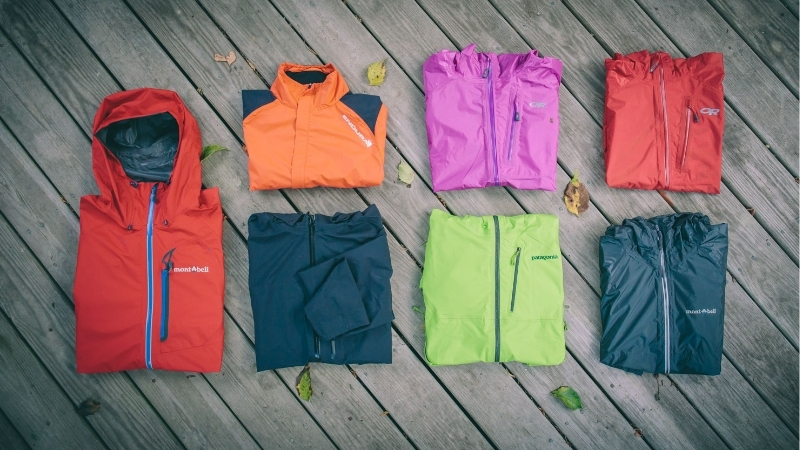
On a backpacking trip your rain jacket rides in the pack most of the time, so light and compact wins. The lightest shells dip under seven ounces and stuff into their own pocket, becoming barely larger than a baseball.
Ultralight fabrics shave grams but demand gentler handling, so weigh weight against ruggedness. An external clip-in loop on the stuff sack helps you keep the packed jacket handy on the outside of your pack.
Waterproofing
A shell must keep out sustained rain, so look at construction and rating, with 2.5-layer fabrics saving weight and 3-layer builds adding durable, longer-lasting waterproofing. Higher millimeter ratings shed heavier, longer downpours.
The durable water repellent finish helps rain bead and roll off, but it wears down and needs periodic reproofing. When the face fabric wets out, breathability drops, so maintaining the finish keeps the jacket working.
Breathability and Ventilation
Backpacking is high-exertion, so a shell that traps sweat can leave you as wet inside as rain would leave you outside. More breathable membranes move moisture vapor out as you climb.
Pit zips are the most reliable way to dump heat fast during hard efforts, and many top shells include them. Choose better breathability and vents if you run hot or tackle steep, sweaty climbs.
Durability and Features
Thin ultralight fabrics, sometimes just seven to fifteen denier, resist rain but can tear against brush or pack straps, while thicker shells last longer. Match durability to your terrain and how hard you are on gear.
Useful features include an adjustable, deep hood, elasticized or cinchable cuffs and hem, and a chest pocket you can reach with the pack on. Watertight or coated zippers add protection without much weight.
Buying a Backpacking Rain Jacket in 2026: Prices and Timing
Beyond specs, timing shapes what you pay for the best rain jacket for backpacking in 2026. Technical fabric costs have climbed, and seasonal sales cycles swing prices, so a little planning helps.
Tariffs and Fabric Costs
Outdoor brands reported broad input-cost increases this year, with technical nylon and waterproof-breathable fabrics among materials seeing roughly ten to fifteen percent higher costs. Brands have described some new prices as estimates that may shift.
The practical upshot is that a quality shell is unlikely to get much cheaper at full retail. When a jacket you want appears at a fair price, buying can beat waiting for a discount that may not undercut a rising baseline.
Seasonal Timing
Rain shells see the widest selection heading into spring and fall shoulder seasons, so the deepest discounts often land in end-of-season clearance. Popular sizes and colors sell through first before big trips.
Major sales windows, including October’s Prime Big Deal Days and the late-November Black Friday and Cyber Monday stretch, typically deliver the year’s best jacket deals.
Buy Early and Reproof
If a trip is coming, buy early and test the shell in a real shower so you trust its waterproofing before you rely on it. A jacket that wets out on day one can derail an entire trek.
Early buying also lets you refresh the durable water repellent finish if needed and confirm the fit over your layers, so nothing surprises you when the rain starts falling.
Top Picks: The Best Rain Jacket for Backpacking Reviewed
These six picks for the best rain jacket for backpacking span a value packable, an ultralight benchmark, a bombproof premium shell, a budget workhorse, an eco fast-and-light option, and a cottage ultralight. The table gives a quick overview, then each review covers who it suits and its trade-offs.
| Model | Construction | Best For | Price Tier |
|---|---|---|---|
| Outdoor Research Helium | 2.5L Pertex Shield+ | Best packable value | Mid |
| Montbell Versalite | Ultralight nylon | Ultralight benchmark | Premium |
| Arc’teryx Beta SL | 3L Gore-Tex | Bombproof premium | Premium |
| REI Co-op Rainier | 2.5L with pit zips | Budget workhorse | Budget |
| Patagonia Storm Racer | 2.5L Pertex Shield | Eco fast-and-light | Mid |
| Zpacks Vertice | Ultralight 7D nylon | Cottage ultralight | Premium |
Outdoor Research Helium
The Outdoor Research Helium is our best packable value, a roughly six-ounce shell using Pertex Shield with pit zips and a chest pocket that thru-hikers have carried on the Appalachian and Pacific Crest Trails. It packs down tiny and delivers real value.
It is not the most waterproof shell in extended downpours. For backpackers who want a light, packable, affordable jacket that just works, it is the go-to pick.
Montbell Versalite
The Montbell Versalite is our ultralight benchmark, a sub-seven-ounce shell built with a single-piece K-Mono cut that minimizes seams to improve waterproofness and durability. It sets the standard other ultralight jackets chase.
Its main zipper is not fully waterproof and the latest version trims pockets, plus it costs a premium. For ounce-counters who want proven ultralight protection, it is a top choice.
Arc’teryx Beta SL
The Arc’teryx Beta SL is our bombproof premium pick, a three-layer Gore-Tex shell with a C-Knit backing that stays light, quiet, and breathable, plus a built-in RECCO reflector for search-and-rescue. It is built for year-round wet-country hiking.
It commands a high price. For backpackers who hike in constant wet and want the cleanest hood and most durable waterproofing, it is worth the investment.
REI Co-op Rainier
The REI Co-op Rainier is our budget workhorse, an affordable shell with pit zips and durability sufficient for a full thru-hike, all at a price nothing else in its band matches. It punches well above its cost.
It is heavier and less packable than premium ultralight shells. For backpackers who want dependable, ventilated rain protection without overspending, it is an unbeatable value.
Patagonia Storm Racer
The Patagonia Storm Racer is our eco fast-and-light pick, an absurdly light and packable 2.5-layer shell with a PFC-free DWR and recycled face fabric, cut for quick shoulder-season miles. It layers well as a wind shell too.
Its featherweight fabric is less durable and less protective than heavier shells. For fast-and-light hikers who prioritize weight and eco-conscious materials, it is a compelling choice.
Zpacks Vertice
The Zpacks Vertice is our cottage ultralight pick, an extremely light, fully waterproof shell with big pit zips, waterproof zippers, an adjustable hood, and a chest pocket you can reach while wearing your pack. It packs into its own pocket.
Its seven-denier face fabric is thin and needs babying against brush and abrasion, and it is expensive. For dedicated ultralighters who handle gear carefully, it is a standout.
Frequently Asked Questions
Quick answers to the questions hikers ask most when choosing the best rain jacket for backpacking across thru-hikes and weekend trips.
How light should a backpacking rain jacket be?
Many top backpacking shells weigh under nine ounces, and the lightest dip below seven while still stuffing into their own pocket. Lighter is better since the jacket rides in your pack most of the time, but very light fabrics are more delicate. Balance weight against how hard you are on gear and your terrain.
Are pit zips worth it?
Yes, for high-exertion backpacking, pit zips are the most reliable way to dump heat and moisture fast during hard climbs. Without ventilation, a waterproof shell can leave you as damp inside from sweat as rain would leave you outside. If you run hot or tackle steep terrain, prioritize a jacket with pit zips.
What does it mean when a jacket wets out?
Wetting out happens when the face fabric’s durable water repellent finish wears down and the outer fabric soaks up water instead of beading it. This does not fully stop breathability, but it reduces it and makes the jacket feel clammy. Reproof the DWR periodically with a spray or wash-in treatment to restore performance.
Is 2.5-layer or 3-layer better for backpacking?
A 2.5-layer shell is lighter and more packable, ideal when every ounce counts, while a 3-layer build is more durable and offers longer-lasting waterproofing. For fast-and-light trips, choose 2.5-layer; for frequent wet-weather hiking or rougher terrain, a 3-layer shell holds up better over many seasons of use.
See More:
- Best shoes for trail running
- Best rated binoculars for hunting
- Best waterproof boots for hiking
- best waterproof rain jacket women
- sleeping pad best
Final Thoughts
Choosing the best rain jacket for backpacking comes down to matching weight, waterproofing, and breathability to your trips rather than chasing one spec. The Outdoor Research Helium leads on packable value, the Montbell Versalite sets the ultralight benchmark, and the Arc’teryx Beta SL is bombproof for wet country, while the REI Rainier covers the budget. Buy early, reproof as needed, and any of these six will keep you dry and moving on the trail.
Our top picks


As an Amazon Associate we earn from qualifying purchases at no extra cost to you.

Write Your Review
No reviews yet. Be the first to share your experience!