
Best ultralight rain jacket picks earn their place by disappearing into your pack until the weather turns, then keeping you dry without the weight. The trick is balancing feather weight against durability, breathability, and waterproofing, because the thinnest shells trade toughness for grams. This guide sorts the top shells by honest specs.
Our top picks


As an Amazon Associate we earn from qualifying purchases at no extra cost to you.
As an Amazon Associate we earn from qualifying purchases.
🛒 Best Price Today on Amazon
Prime members get fast, free shipping on everything above, plus member-only deals. New members get a 30-day free trial — cancel anytime.
Start 30-Day Prime Free Trial →See Today’s Amazon DealsHow to Choose the Right Best Ultralight Rain Jacket
The best ultralight rain jacket is judged on numbers, not looks: packed weight, fabric and layers, waterproof rating and seam taping, breathability, and features. The lightest jackets shave grams by thinning the fabric and dropping pockets, so match these five factors to your trips before comparing prices.
Weight and Packability
True ultralight shells weigh under about 10 ounces, with the lightest landing near 6 ounces for a medium. Many pack into their own pocket to the size of a fist, so you can stash a shell for just-in-case storms without noticing the weight on a fast-and-light hike.
Remember that the lightest weight usually means the thinnest fabric. A sub-6-ounce shell is a marvel of engineering, but it is also more delicate, so weigh how much you value grams against how hard you are on gear when choosing your target weight.
Fabric and Layer Construction
Shells come in 2.5-layer and 3-layer builds. A 2.5-layer laminate saves weight and cost but can feel plasticky against the skin, while a 3-layer construction adds comfort and breathability at a small weight penalty. Face-fabric denier, often 7 to 30, tells you the durability story.
Thinner face fabrics, down to a fragile 7-denier ripstop, deliver the lowest weights but wear faster and dislike bushwhacking. Tougher 20 to 30-denier shells last longer through abrasion and rough handling. Pick the denier that matches your terrain, not just the lightest number on the tag.
Waterproof Rating and Seam Taping
Waterproofing is measured in millimeters, with ratings from around 10,000 mm on ultralight laminates to 20,000 mm or more on premium shells. Fully taped seams are essential, since untaped stitching leaks. Even strong laminates can wet out in sustained, heavy downpours, so read real-world testing.
Modern shells increasingly use PFC-free and PFAS-free durable water repellent finishes, which is better for the environment though sometimes shorter-lived. A periodic wash-in reproofing treatment restores water beading, so factor ongoing care into any ultralight shell you buy, whatever its rating.
Breathability, Features, and Fit
Breathability decides how sweaty you get on climbs. Pit zips are the fastest way to dump heat, and only some ultralight shells include them, so if you run hot or hike hard, prioritize venting even at a slight weight cost over a fully sealed, plasticky jacket.
Features and fit round it out. Look for an adjustable hood, adjustable cuffs, and hipbelt-compatible pockets that stay usable under a pack; the lightest shells often drop hand pockets to save grams. Buying early helps this year too, since tariff pressure has pushed technical nylon up 10 to 15 percent.
Top Picks for the Best Ultralight Rain Jacket
Our picks for the best ultralight rain jacket span the range, from a feature-rich sub-6-ounce benchmark to a bargain emergency shell. Weights and ratings below reflect current manufacturer figures, and each pick names a real trade-off so you can match it to your trips and budget.
| Model | Weight (approx.) | Fabric / Layers | Pit Zips | Best For |
|---|---|---|---|---|
| Montbell Versalite | ~5.9-6.4 oz | 3L Super Dry-Tec, 7D | Yes | Best overall UL |
| Outdoor Research Helium | ~6.3-7 oz | 2.5L Pertex, 30D | No | Most packable |
| Rab Downpour Light | ~7.7 oz | Stretch-woven, 20D | No | Comfortable value |
| Marmot PreCip Eco | ~7.7-10 oz | 2.5L NanoPro | Yes | Budget classic |
| Frogg Toggs Xtreme Lite | Ultralight | Non-woven | No | Cheapest emergency |
| Enlightened Equipment Visp | Ultralight | 3L UL, pit zips | Yes | Cottage feature-rich |
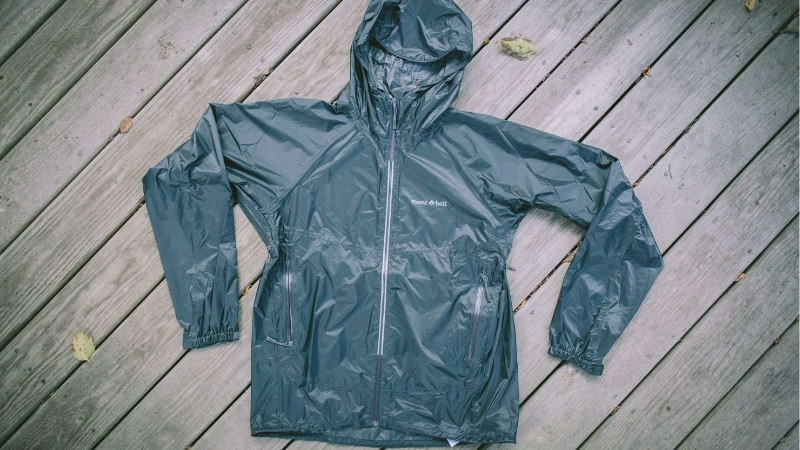
Montbell Versalite
The Versalite is arguably the classic ultralight shell, and its 2025 update pushes it further with a three-layer Super Dry-Tec membrane and an ultra-thin 7-denier face fabric, all at roughly 6 ounces. Remarkably for that weight it keeps pit zips, an adjustable hood, cuff adjustments, and hipbelt-compatible pockets, an unmatched weight-to-feature ratio.
The 7-denier shell is fragile and dislikes bushwhacking, it can wet out in long, heavy downpours, and it is premium-priced and often sold direct from Montbell. For most ultralight hikers who want genuine features without the grams, though, it sits at the top of the heap.
Outdoor Research Helium
The Helium is the packability champion, a minimalist 2.5-layer Pertex shell around 6.3 to 7 ounces that stuffs into its own chest pocket with a carabiner loop, perfect as a just-in-case shell or a car emergency layer. The 2025 fabric is reported far more tear-resistant than before, and sizing is inclusive.
Its minimalism is the cost: no pit zips and no hand pockets mean limited breathability, and critics note it can wet out in sustained afternoon storms. As a featherweight, ultra-packable emergency shell for fair-weather hikers, it excels; for hard, sweaty output, the venting gap shows.
Rab Downpour Light
The Downpour Light splits the difference between the featherweights and comfort, using a stretch-woven shell with a soft backer that feels genuinely pleasant next to skin, unlike plasticky laminates. At about 7.7 ounces with hipbelt-compatible pockets, it is a comfortable, sensibly priced ultralight contender for everyday trail use.
It lacks pit zips, which limits its range for high-output hiking, and its breathability is only moderate. For budget-minded hikers who want an ultralight shell that is comfortable to wear and useful around camp, not just an emergency stuff-sack jacket, it is a smart, wearable choice.
Marmot PreCip Eco
The PreCip Eco is the accessible budget classic, a 2.5-layer NanoPro shell that, crucially for this list, includes pit zips for venting, plus zippered hand pockets and an adjustable hood. It is one of the most widely available and affordable ways into a light, functional rain jacket.
It is heavier than the true featherweights, its 2.5-layer fabric can feel clammy in humid heat, and durability is mid-pack. But for hikers who want pit-zip venting, real pockets, and dependable protection without a premium price, the PreCip Eco remains a perennial value benchmark.
Frogg Toggs Xtreme Lite
Frogg Toggs is the bargain emergency option, delivering waterproof coverage at a fraction of premium prices, which makes it a popular stash-in-the-pack layer for casual hikers, festivals, and just-in-case rain. For the money, it is hard to argue with genuinely waterproof protection you can afford to keep everywhere.
The non-woven fabric is fragile, tears more easily than technical laminates, and the fit and breathability are basic. It is not the shell for hard use or long trips. As the cheapest way to stay dry in a surprise shower, though, it fills a real and useful niche.
Enlightened Equipment Visp
The Visp is the cottage-brand feature pick, a genuinely ultralight three-layer shell that manages to include pit zips and a thoughtful, hiker-focused design for fast-and-light backcountry travel. Enthusiasts value its low weight paired with the venting and fit that many mass-market featherweights sacrifice to hit their numbers.
It is typically ordered direct from Enlightened Equipment rather than stocked on Amazon, sits at a premium, and uses delicate ultralight fabric that demands care. For ultralight backpackers who want venting and considered features in a truly light shell, it is a compelling, if niche, option.
Frequently Asked Questions
Quick answers to the questions best ultralight rain jacket shoppers ask most, from durability to breathability and whether the lightest shells actually keep you dry.
Are ultralight rain jackets durable enough for real hiking?
For trail use, yes, with care. The best ultralight rain jacket options use 7 to 10-denier fabrics that resist normal trail wear but dislike bushwhacking and abrasion, so treat them gently. If you are hard on gear or push through brush, choose a tougher 20 to 30-denier shell and accept a small weight penalty.
Do the lightest jackets keep you dry in heavy rain?
Mostly, in typical conditions. Ultralight laminates handle light to moderate rain well but can wet out in sustained, heavy downpours, especially at high-exposure areas like the forearms. For frequent heavy weather, a burlier 3-layer shell with a higher waterproof rating will keep you drier over long exposure.
Do I need pit zips on an ultralight shell?
If you hike hard or run hot, yes. Pit zips are the fastest way to dump heat and cut the clammy, plastic-bag feel of sealed shells. Not every ultralight jacket includes them, so if breathability matters to you, prioritize models like the Versalite or Marmot PreCip that keep them.
Will rain shells cost more this year?
Possibly. Tariff pressure has pushed technical nylon up roughly 10 to 15 percent, and brands describe future pricing as uncertain. Buying your shell ahead of the wet shoulder season protects both availability and budget, especially on popular ultralight models that sell out during peak hiking months.
See More:
- Best hiking boots for wide feet women
- Best summer hiking boots
- Best hiking boots flat feet
- Best affordable hiking boots
- Best minimal hiking boots
Final Thoughts
The best ultralight rain jacket is the one whose weight, fabric durability, waterproof rating, and venting match how and where you hike, not simply the lowest number on the tag. Decide how much you value grams versus toughness and breathability, care for the delicate fabric, and buy ahead of the rainy season and rising material costs.
Write Your Review
No reviews yet. Be the first to share your experience!